
Leonard Maltin Biography Quotes 23 Report mistakes
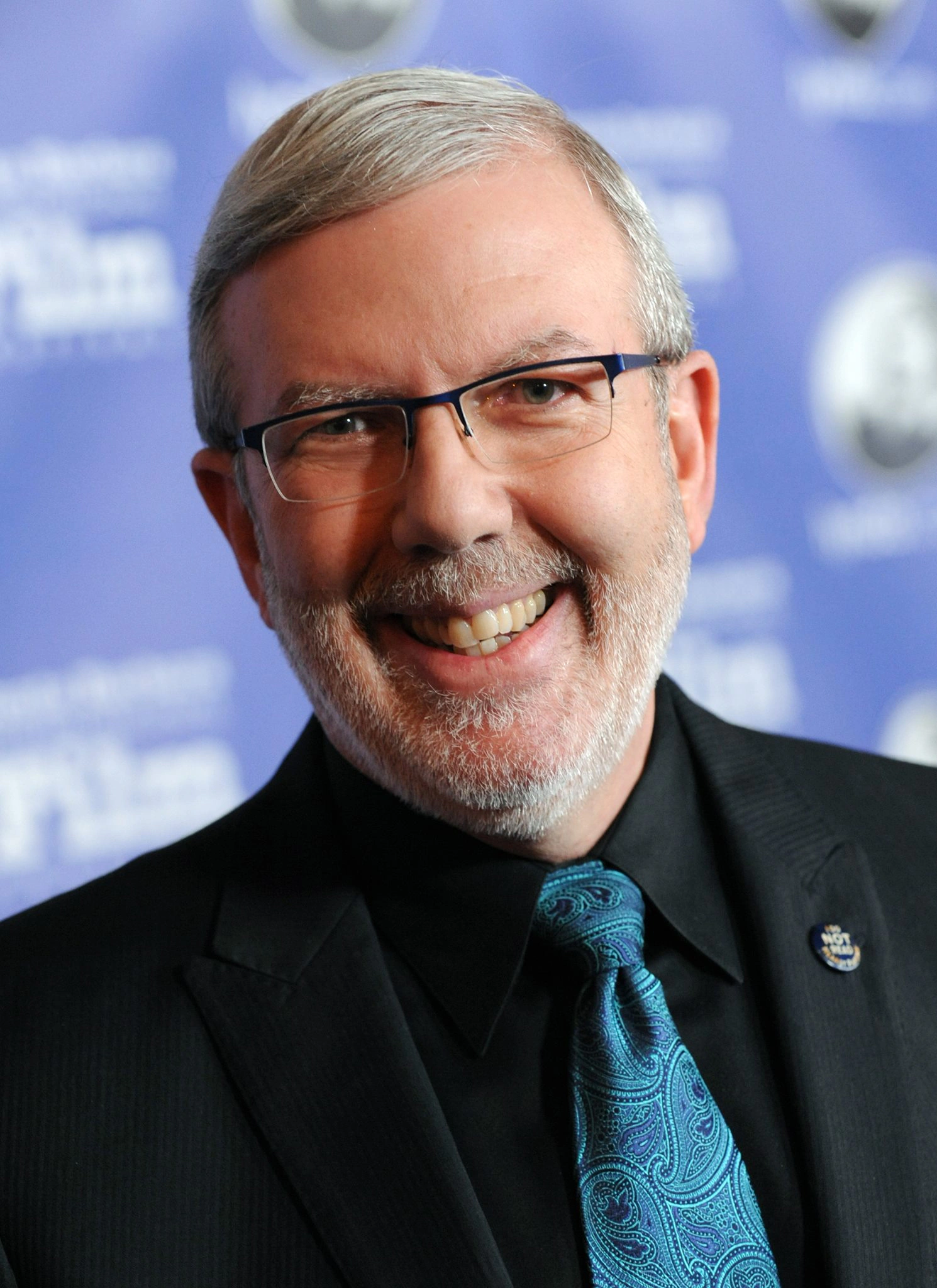
| 23 Quotes | |
| Born as | Leonard Michael Maltin |
| Occup. | Critic |
| From | USA |
| Spouse | Alice Tlusty (1975-) |
| Born | December 18, 1950 New York City, New York, USA |
| Age | 75 years |
| Cite | |
Citation Formats
APA Style (7th ed.)
Leonard maltin biography, facts and quotes. (2026, February 21). FixQuotes. https://fixquotes.com/authors/leonard-maltin/
Chicago Style
"Leonard Maltin biography, facts and quotes." FixQuotes. February 21, 2026. https://fixquotes.com/authors/leonard-maltin/.
MLA Style (9th ed.)
"Leonard Maltin biography, facts and quotes." FixQuotes, 21 Feb. 2026, https://fixquotes.com/authors/leonard-maltin/. Accessed 27 Mar. 2026.
Early Life and Background
Leonard Michael Maltin was born on December 18, 1950, in New York City, into a postwar America where movies were shifting from neighborhood theaters to living-room television. He grew up in an era of reruns, monster-movie packages, and late-night hosts that turned Hollywood history into something you could stumble onto by accident and then pursue obsessively. That mixture of mass access and half-forgotten lore became his native habitat: he learned early that the past was not past at all, just misfiled.As a boy and teenager, Maltin gravitated toward the mechanics of movie pleasure - not only what made films moving or funny, but how studio systems, short-subject units, and exhibition shaped what audiences remembered. He collected information with the intensity of a fan and the habits of an archivist, drawn especially to classic comedy and animation. The temperament that later defined him was already visible: generous about sharing discoveries, but disciplined about separating affection from judgment.
Education and Formative Influences
Maltin attended New York University, coming of age as the 1960s and early 1970s reshaped American culture and criticism itself - when auteur theory, repertory theaters, and campus film societies encouraged viewers to watch more widely and argue more precisely. His formative influences were less a single school than a self-built curriculum: silent comedy, Hollywood craftsmanship, the rediscovery of pre-Code and B pictures, and the emerging seriousness with which popular art could be studied. That foundation trained him to treat entertainment as history with feelings attached - and to write criticism that could be both scholarly and inviting.Career, Major Works, and Turning Points
Maltin turned his cinephilia into a public vocation early, writing and editing while still young and building a reputation for brisk, readable authority. His signature achievement, Leonard Maltin's Movie Guide (and later related annuals and reference volumes), became a household tool for viewers navigating an exploding universe of theatrical releases, TV broadcasts, and home video. In parallel he wrote influential books on classic performers and animation, including The Great Movie Comedians and Of Mice and Magic: A History of American Animated Cartoons, helping legitimize subjects once dismissed as minor. He also became a familiar on-screen presence as a reviewer and historian on television and home-video extras, and later brought his sensibility into the classroom as an educator, translating connoisseurship into a democratic survey of film culture.Philosophy, Style, and Themes
At the core of Maltin's criticism is an ethics of trust: he writes for the ordinary viewer without pandering, and he treats evaluation as a promise kept over time. “If I were less than honest as a critic, I think people would spot that right away, and it would destroy my credibility”. That sentence is not a slogan but a psychological self-portrait - a critic who understands that authority is fragile, built review by review, and that sincerity is a practical necessity. His compact, rating-driven format in guides was never meant to mechanize taste; it was a way to be accountable, to put an opinion on record where it could be checked, argued with, and revised as culture moved on.Maltin's other persistent theme is endurance - the way mass culture sifts itself and leaves behind work that remains alive. “Quality survives”. For him, longevity is not nostalgia but evidence: a joke still landing, a performance still cutting, a narrative still consoling or disturbing across decades. He often frames this in the simplest, most humane terms: “Shakespeare wrote great plays that we're still watching all these years later. Charlie Chaplin made great comedies and they are still as funny today as they ever were”. The comparison reveals his inner hierarchy - not high versus low, but lasting versus disposable - and it explains his advocacy for silent comedy, shorts, animation, and repertory discoveries: he is drawn to art that can outlive its marketing.
Legacy and Influence
Maltin's influence is partly institutional and partly intimate: he helped shape how English-speaking audiences talk about movies in everyday life, giving families, students, and collectors a vocabulary for preference that did not require academic gatekeeping. In the home-video era his recommendations guided purchases and rentals; in the streaming era his broader legacy is the model of criticism as public service - informed, fair, curious, and historically literate. He stands as a bridge between fan culture and film history, proving that rigorous taste can be welcoming, and that the critic's real job is not to win arguments but to earn and keep the reader's trust over a lifetime of watching.Our collection contains 23 quotes written by Leonard, under the main topics: Witty One-Liners - Music - Leadership - Honesty & Integrity - Movie.
Source / external links