
Leonard Orr Biography Quotes 11 Report mistakes
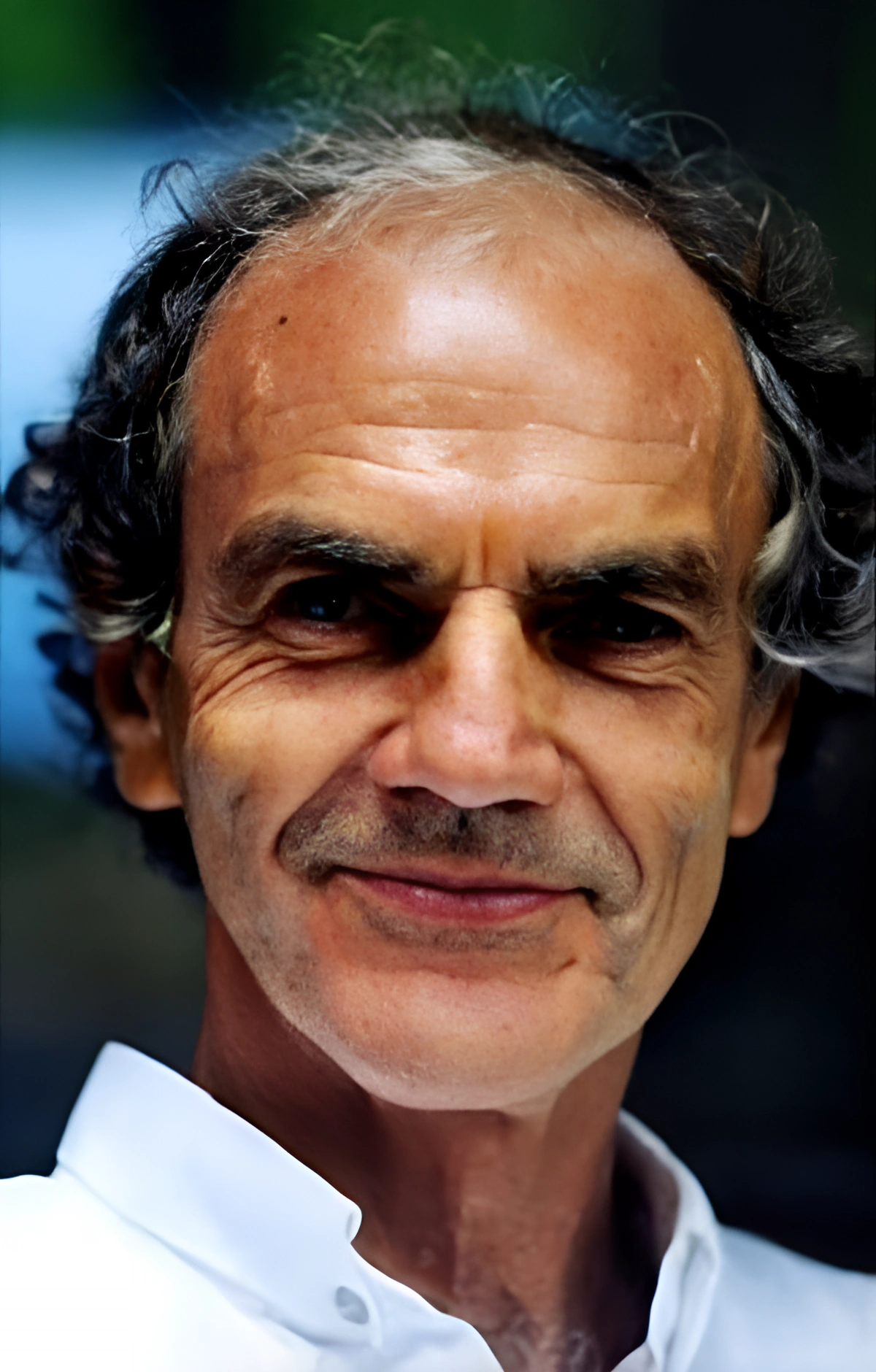
| 11 Quotes | |
| Occup. | Celebrity |
| From | USA |
| Born | November 15, 1937 Walton, USA |
| Died | September 5, 2019 |
| Aged | 81 years |
| Cite | |
Citation Formats
APA Style (7th ed.)
Leonard orr biography, facts and quotes. (2026, February 11). FixQuotes. https://fixquotes.com/authors/leonard-orr/
Chicago Style
"Leonard Orr biography, facts and quotes." FixQuotes. February 11, 2026. https://fixquotes.com/authors/leonard-orr/.
MLA Style (9th ed.)
"Leonard Orr biography, facts and quotes." FixQuotes, 11 Feb. 2026, https://fixquotes.com/authors/leonard-orr/. Accessed 27 Mar. 2026.
Early Life and Background
Leonard Orr (born November 15, 1937, in the United States; died September 5, 2019) emerged from mid-20th-century America into the ferment of the postwar self-help and human potential boom. He became known as the founder of "rebirthing breathwork", a practice built around conscious, continuous breathing and, in some variants, immersion in warm water. His public identity as a celebrity was less Hollywood than countercultural: a widely recognized teacher-entrepreneur whose name traveled through workshop flyers, alternative bookstores, and word-of-mouth networks that linked California to Europe and beyond.His rise makes sense only against the era that produced him. In the decades after World War II, psychotherapy seeped into popular culture, Eastern religions were translated for Western seekers, and the 1960s-1970s marketplace rewarded charismatic innovators who promised direct access to transformation. Orr positioned himself not as a clinician but as an explorer of experience - part mystic, part method-maker - and he attracted followers who wanted faster relief than traditional therapy and more structure than pure spiritual talk.
Education and Formative Influences
Orr did not become influential through conventional academic credentials; his authority was experiential and entrepreneurial. He drew from the broad stream of New Thought optimism, the do-it-yourself spirituality that flourished in California, and the wider human potential movement that prized somatic insight and catharsis. The culture around encounter groups, meditation, and bodily therapies offered him both a laboratory and a market, encouraging the idea that private revelation could be scaled into a teachable system.Career, Major Works, and Turning Points
In the late 1960s, Orr reported a breakthrough while soaking in a bathtub, an origin story he told as the moment he began linking relaxation, memory, and emotional discharge to the breath. He formalized the approach as rebirthing: sessions of sustained, connected breathing intended to surface and release deeply held distress, including - in his most provocative framing - imprints from the birth experience. Over subsequent decades he taught intensively through seminars, trainings, and practitioner networks, promoting a method that blended guided breathing, life-coaching claims, and spiritual metaphysics; he also helped popularize water-based variants meant to intensify sensation. As rebirthing spread, it also drew controversy and fragmentation: disputes with other teachers over technique and authority, and, later, public scrutiny after fatalities associated with practices that used physical restraint - methods Orr disavowed but that nonetheless shaped the public reception of the movement bearing his vocabulary.Philosophy, Style, and Themes
At the core of Orr's psychology was a conviction that the body stores a hidden biography and that breath can unlock it. His most famous assertion - “Birth is the scariest event of most peoples' lives. You have to feel safe enough in your own mind before you can remember your own birth”. - reveals both his boldness and his therapeutic theory of mind: safety first, then recall, then release. The claim cast early distress as a primal template for later fear, giving his students a grand explanatory frame for anxiety, shame, and self-sabotage. It also hints at his self-mythology: the teacher as someone who has crossed a threshold of inner safety and can guide others through it.Orr spoke in a plain, salesman-direct idiom that married spiritual ambition to practical self-revision. “I just refer to myself as being Spirit, Mind and Body like everybody else and working toward the mastery of my natural divinity and the healing of my emotional mind”. The sentence is telling: it equalizes him with the student while quietly staking an exalted goal - "mastery" and "natural divinity" - that can justify relentless self-work. He also framed breathing sessions as a mechanical route to change rather than a vague inspiration: “The average session takes about one to two hours. It's totally amazing because when a person breathes, they go through one stage of relaxation after another, and every stage releases tension”. In that rhythm - procedure, stages, results - Orr's style becomes visible: he sold metaphysics with the cadence of a protocol, offering wonder without surrendering the promise of repeatability.
Legacy and Influence
Orr's enduring influence lies in how thoroughly breathwork entered the late-20th-century self-improvement repertoire, long before "breathwork" became a mainstream wellness term. His synthesis helped shift alternative healing toward somatic process - not just talking about problems, but breathing through them - and it inspired offshoot schools that kept the continuous-breath core while discarding some of the more literal birth-memory claims. At the same time, the controversies that accumulated around rebirthing forced later practitioners to articulate ethics, safety boundaries, and clearer distinctions between spiritual coaching and mental health treatment. Orr remains a defining figure of the human potential era: a charismatic system-builder whose central promise - that the breath can re-script the self - continues to echo in contemporary wellness culture, even when his name is no longer the headline.Our collection contains 11 quotes written by Leonard, under the main topics: Kindness - Overcoming Obstacles - New Beginnings - Self-Improvement - Meditation.
Other people related to Leonard: Joseph Wambaugh (Writer)
Source / external links