
Linda Tripp Biography Quotes 11 Report mistakes
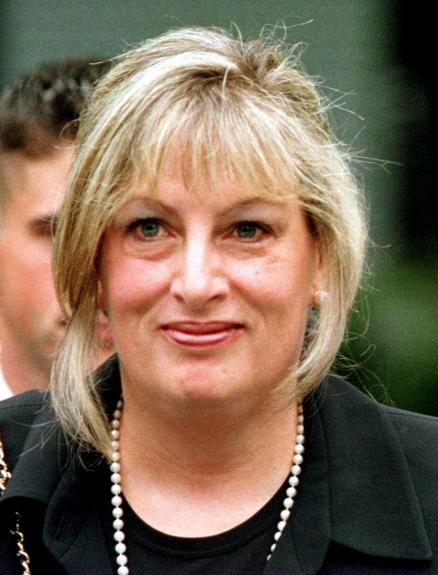
| 11 Quotes | |
| Born as | Linda Rose Carotenuto |
| Known as | Linda Rose Tripp |
| Occup. | Celebrity |
| From | USA |
| Born | November 24, 1949 Jersey City, New Jersey |
| Age | 76 years |
| Cite | |
Citation Formats
APA Style (7th ed.)
Linda tripp biography, facts and quotes. (2026, February 11). FixQuotes. https://fixquotes.com/authors/linda-tripp/
Chicago Style
"Linda Tripp biography, facts and quotes." FixQuotes. February 11, 2026. https://fixquotes.com/authors/linda-tripp/.
MLA Style (9th ed.)
"Linda Tripp biography, facts and quotes." FixQuotes, 11 Feb. 2026, https://fixquotes.com/authors/linda-tripp/. Accessed 4 Mar. 2026.
Early Life and Background
Linda Rose Carotenuto was born on November 24, 1949, in the United States, into the postwar America that trusted institutions and rewarded conformity, and she grew up with an instinct for rules and for the reputations that rules can make or break. Long before she became a national name, she was shaped by the quieter pressures of mid-century suburban life - status, discretion, and the belief that steady work could insulate a person from chaos.That worldview later collided with Washington, D.C., where private lives and public power mingle, and where clerical labor can sit inches from history. Tripp carried an outsider's alertness into elite spaces: not born to the capital's class system, yet intensely attentive to it. The tension between wanting belonging and distrusting the people who grant it became a through-line in her story, and ultimately a fuse.
Education and Formative Influences
Tripp entered federal service and built her identity around competence, procedure, and loyalty - the ethic of the career employee who believes government is held together by the people who show up every day and keep records straight. Over two decades she moved through offices tied to the U.S. Army and later the White House environment, absorbing Washington's informal hierarchies: who gets protected, who gets scapegoated, and how narratives are manufactured for the press.Career, Major Works, and Turning Points
Tripp's public life detonated during the Clinton presidency, after she befriended White House intern Monica Lewinsky and then recorded telephone conversations that later became central to the investigation of President Bill Clinton's relationship with Lewinsky and allegations tied to perjury and obstruction. The recordings, along with her cooperation with independent counsel Kenneth Starr's office, made her both reviled and praised - cast by critics as a betrayer and by supporters as a reluctant witness. She later co-authored a memoir, A Basket of Deplorables, and became a fixture of late-1990s media combat, while also enduring legal exposure and an invasive level of scrutiny that permanently ended her future as an anonymous federal worker.Philosophy, Style, and Themes
Tripp's self-conception rested on merit and record-keeping, a bureaucratic moral code in which duty outranks charm. She insisted the dignity of service is proven, not presumed - “Respect is not ever assigned; it's earned”. Psychologically, that sentence reads like both credo and grievance: a person who felt belittled by glamorous operators, and who reasserted control by appealing to a standard she believed could not be spun away.Her most controversial choice - secretly taping Lewinsky - came from a worldview that treated documentation as defense against power, and treated power as inherently evasive. “People should be allowed to document evidence of criminal wrongdoing. Where is the expectation of privacy if someone is conspiring to commit crime?” This was not simply argument; it was self-therapy, a way to translate a morally ambiguous act into the language of civic necessity. She also framed the crisis as asymmetrical warfare between an individual and the presidency: “There is no method by which an average citizen can effectively fight the White House in the media”. That fear - being crushed by the story machine - helps explain her blunt, sometimes aggrieved style, and her fixation on oaths, transcripts, and the hard edges of proof.
Legacy and Influence
Tripp's legacy is inseparable from the Clinton-Lewinsky scandal and the impeachment era, a turning point when partisan media, prosecutorial spectacle, and private sexuality fused into a new American theater. She helped set a template for the modern whistleblower-celebrity: a figure who claims moral purpose while living inside the machinery of tabloid attention and political warfare. For supporters, she was an uncomfortable check on elite impunity; for detractors, a cautionary tale about surveillance, betrayal, and ambition. Either way, her actions reshaped norms about recorded evidence, public-private boundaries, and the risks borne by the unelected people standing near power when history cracks open.Our collection contains 11 quotes written by Linda, under the main topics: Justice - Freedom - Book - Honesty & Integrity - Privacy & Cybersecurity.
Other people related to Linda: Paula Jones (Celebrity), Ken Starr (Lawyer)
Source / external links