
Liv Arnesen Biography Quotes 7 Report mistakes
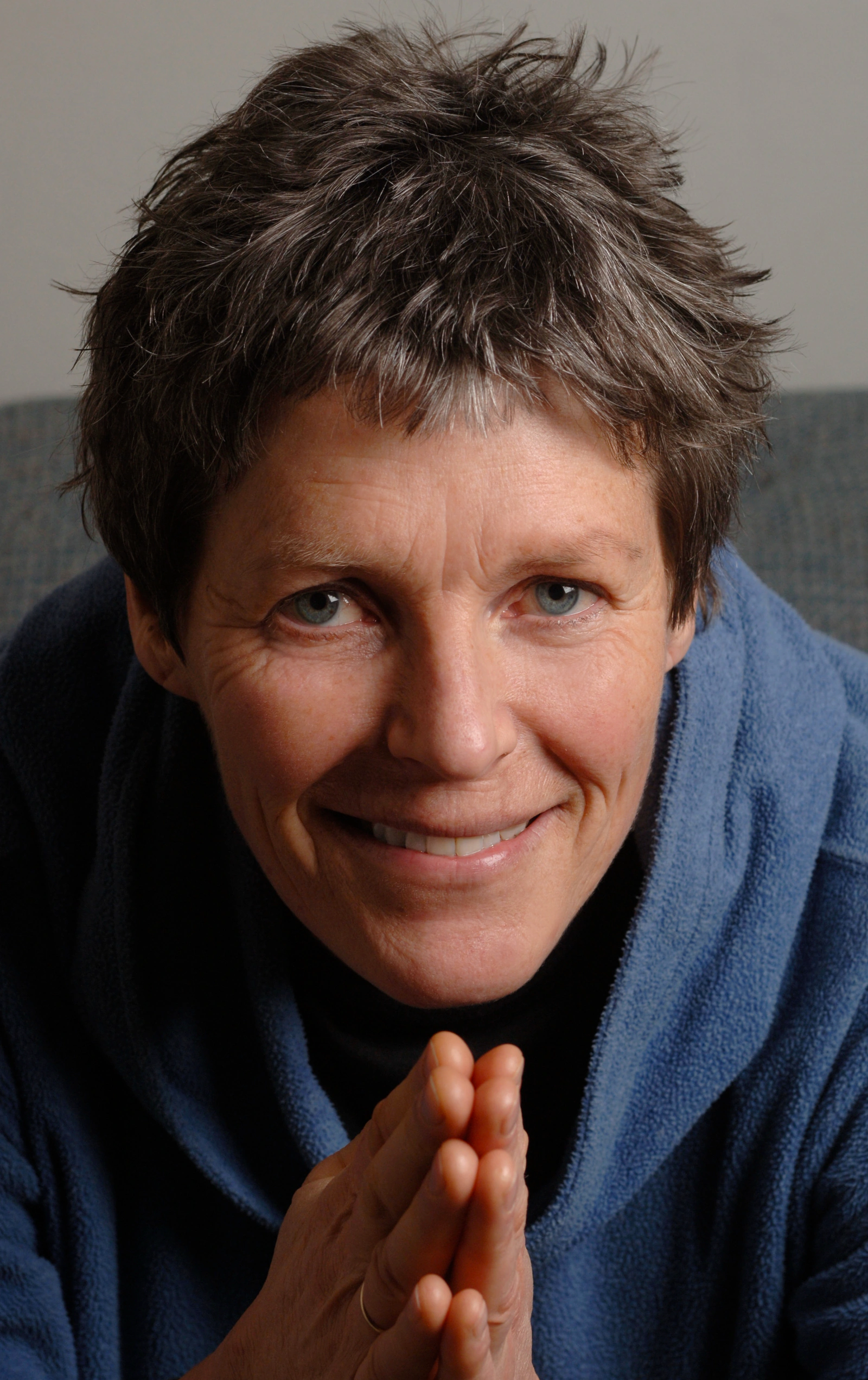
| 7 Quotes | |
| Occup. | Explorer |
| From | Norway |
| Born | May 1, 1953 Bærum, Norway |
| Age | 72 years |
| Cite | |
Citation Formats
APA Style (7th ed.)
Liv arnesen biography, facts and quotes. (2026, February 11). FixQuotes. https://fixquotes.com/authors/liv-arnesen/
Chicago Style
"Liv Arnesen biography, facts and quotes." FixQuotes. February 11, 2026. https://fixquotes.com/authors/liv-arnesen/.
MLA Style (9th ed.)
"Liv Arnesen biography, facts and quotes." FixQuotes, 11 Feb. 2026, https://fixquotes.com/authors/liv-arnesen/. Accessed 6 Mar. 2026.
Early Life and Background
Liv Arnesen was born on May 1, 1953, in Norway, a country where winter is not a season so much as a geography and a cultural discipline. She came of age in the postwar Scandinavian welfare state, amid expanding opportunities for women and a strong national mythology of polar travel that stretched from Fridtjof Nansen to Roald Amundsen. That inheritance mattered: in Norway, endurance is admired, competence is expected, and the outdoors is treated less as escape than as a proving ground.Her early identity was shaped by ordinary Norwegian realities - long dark months, skis as a tool, and a public culture that valued self-reliance without theatricality. Yet the private urge that would later define her was not simply athleticism but a durable curiosity about what happens to the mind when comfort disappears. Even before she became known internationally, the traits observers would later note in her expeditions were visible: quiet decisiveness, a tolerance for monotony, and a preference for action over explanation.
Education and Formative Influences
Arnesen trained as a teacher, a formative choice that sharpened the way she would later translate extreme experiences into usable lessons for others. The classroom gave her a language for motivation, incremental progress, and the psychology of resilience - skills that proved as important as physical conditioning when she began leading and undertaking expeditions. She was also shaped by Norway's strong outdoor tradition and the late-20th-century rise of organized adventure as a platform for education, science, and public storytelling, rather than conquest alone.Career, Major Works, and Turning Points
Arnesen moved from teaching into full-time exploration, building credibility through repeated polar journeys where logistics, navigation, and risk management are unforgiving. She became a landmark figure in modern polar travel: in 1994 she completed a solo ski expedition to the South Pole, a breakthrough that placed her among the era's most serious expeditioners and expanded the cultural imagination of who belonged in the polar narrative. A major turning point came in 2001, when she and American explorer Ann Bancroft completed a historic traverse of Antarctica by ski, a journey remembered not only for its distance and difficulty but for its symbolism - two women, operating as equals, sustaining performance in a landscape that punishes ego and rewards systems. In the years that followed, Arnesen used her profile to lead expeditions, speak widely, and connect adventure to education and environmental awareness, reframing the polar regions as living indicators of planetary change rather than blank stages for heroics.Philosophy, Style, and Themes
Arnesen's inner life, as reflected in her public statements and in the disciplined shape of her expeditions, is marked by a distinctive blend of ambition and humility. She is not interested in extremity for its own sake; she is interested in what extremity reveals. “I believe that by exploring the world and challenging ourselves, we can learn a lot about who we are and what we are capable of”. The sentence reads like a creed, but it also functions as a psychological map: exploration, for her, is self-knowledge under pressure, a controlled experiment in fear, fatigue, and decision-making. That orientation helps explain her consistency across years - she treats preparation, pacing, and partnership as moral choices, not mere tactics.Her style of leadership is similarly instructive: steady, non-performative, focused on the next necessary act. She returns repeatedly to the idea that courage is contagious - not as sentiment but as social responsibility. “When we do things that we think are impossible, we are also inspiring other people to do the same”. In her best moments, the polar journey becomes a public argument for expanded agency, especially for girls and women who rarely see endurance framed as theirs to claim. And because polar travel places human beings inside a fragile system they cannot dominate, her exploration carries an ethical edge: “I believe that we all have a responsibility to take care of our planet and to protect the natural world for future generations”. The wilderness, in her telling, is not a backdrop but a teacher - of limits, interdependence, and the costs of neglect.
Legacy and Influence
Arnesen's enduring influence lies in how she modernized the meaning of the polar expedition: less imperial narrative, more disciplined human performance tied to education and stewardship. Her 1994 solo South Pole journey and the 2001 Antarctica traverse with Bancroft became reference points for women in exploration and for a broader public learning to see the poles as urgent, changing places. In Norway and beyond, she helped shift adventure from private feat to shared tool - for mentoring, classroom inspiration, and environmental conscience - leaving a legacy that is as much about who feels permitted to attempt the hard thing as it is about the hard thing itself.Our collection contains 7 quotes written by Liv, under the main topics: Motivational - Never Give Up - Nature - Live in the Moment - Adventure.
Source / external links