
Lord Alfred Douglas Biography Quotes 3 Report mistakes
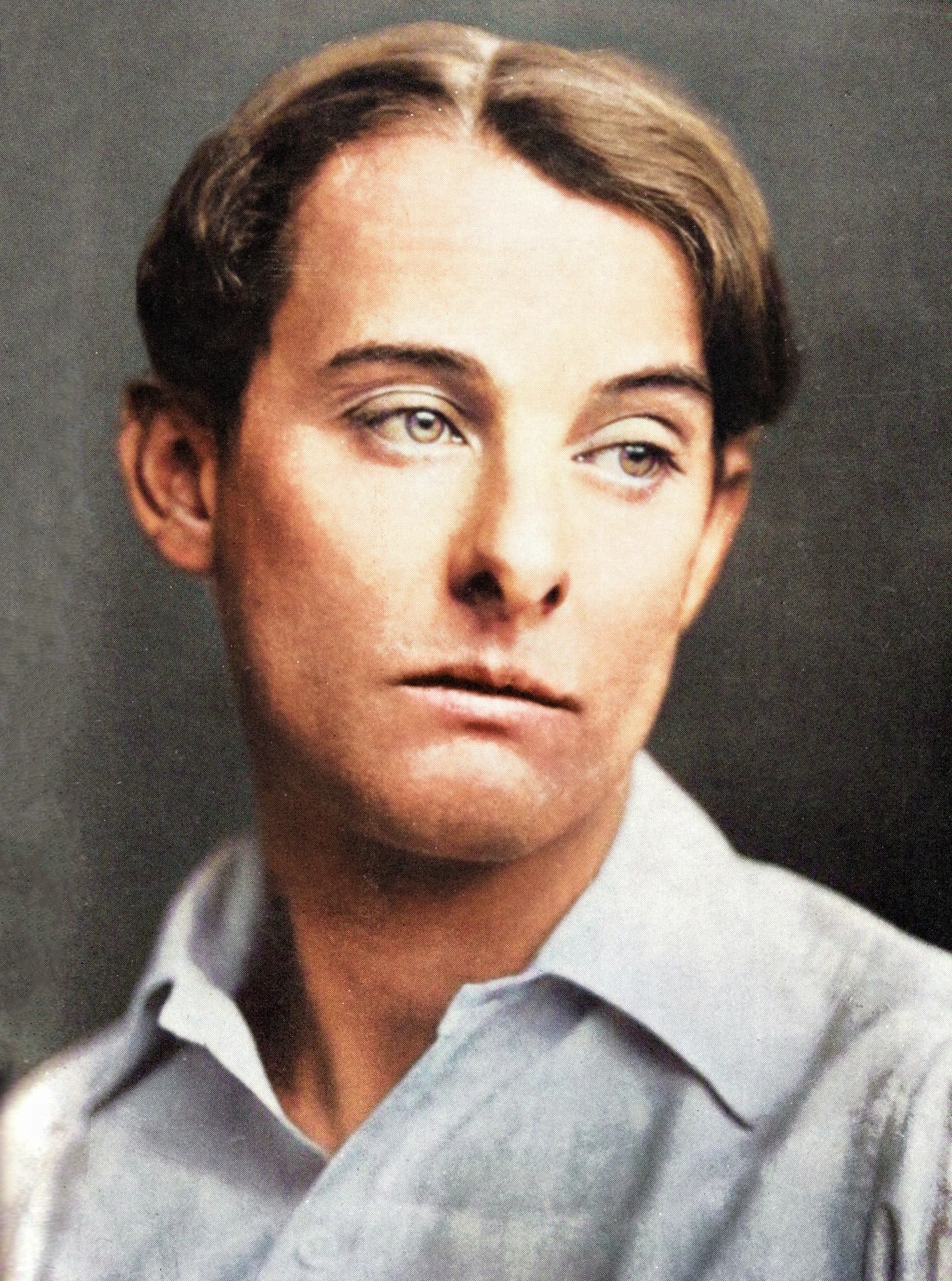
Attr: George Charles Beresford, Public domain
| 3 Quotes | |
| Born as | Lord Alfred Bruce Douglas |
| Known as | Bosie Douglas |
| Occup. | Poet |
| From | England |
| Spouse | Olive Custance (1902-1944) |
| Born | October 22, 1870 Powick, Worcestershire, England |
| Died | March 20, 1945 Lancing, Sussex, England |
| Aged | 74 years |
| Cite | |
Citation Formats
APA Style (7th ed.)
Lord alfred douglas biography, facts and quotes. (2026, February 11). FixQuotes. https://fixquotes.com/authors/lord-alfred-douglas1/
Chicago Style
"Lord Alfred Douglas biography, facts and quotes." FixQuotes. February 11, 2026. https://fixquotes.com/authors/lord-alfred-douglas1/.
MLA Style (9th ed.)
"Lord Alfred Douglas biography, facts and quotes." FixQuotes, 11 Feb. 2026, https://fixquotes.com/authors/lord-alfred-douglas1/. Accessed 8 Mar. 2026.
Early Life and Background
Lord Alfred Bruce Douglas was born on October 22, 1870, into the high-tension grandeur of the British aristocracy. He was the third son of John Sholto Douglas, the 9th Marquess of Queensberry, a blunt, combative peer whose name would become inseparable from the most famous morality scandal of the fin de siecle. His mother, Sibyl Montgomery, offered a counterweight of social polish and cultivated taste. The household was rich in status but poor in tenderness, and Alfred - nicknamed "Bosie" - grew up learning how quickly affection could be withdrawn and how publicly power could be exercised.Late-Victorian England rewarded rank yet demanded conformity, and Douglas internalized both lessons. He developed an early sense of performance - the pose of the aesthete, the swagger of the titled son, the cultivated defiance of a poet who wanted beauty without consequence. The fracture with his father, who prized aggression and scandalized easily, became a lifelong psychological weather system: Douglas alternated between craving authority and attacking it, between wanting the shelter of institutions and insisting on his right to scandalize them.
Education and Formative Influences
Douglas was educated at Winchester College and then at Magdalen College, Oxford, where he won the Newdigate Prize in 1893 for his poem "Promise of May". Oxford sharpened his aesthetic creed, drawing him toward the Decadent movement, French Symbolist echoes, and the English cult of "art for art's sake". He moved in circles where style could substitute for certainty, and he learned that wit and lyric polish could be weapons as well as ornaments - a training that would later shape both his verse and his public quarrels.Career, Major Works, and Turning Points
In the 1890s Douglas published poems and edited the short-lived Oxford magazine The Spirit Lamp, while cultivating a public identity as a young aristocratic poet of beauty, provocation, and epigram. His pivotal turning point was his relationship with Oscar Wilde, begun in 1891 and rapidly consuming both men; Douglas became muse, companion, and accelerant. The conflict with Queensberry escalated into Wilde's disastrous libel prosecution, the 1895 trials, and Wilde's imprisonment - a catastrophe that fixed Douglas in the public imagination as both beloved and blamed. Douglas continued to publish, notably Poems (1896) and later works that ranged from lyric devotion to polemic. His adulthood was marked by litigation, pamphleteering, and recurrent attempts to control the narrative of 1895, including shifting accounts of responsibility and betrayal. In 1911 he married Olive Custance, and they had a son, Raymond; the marriage proved volatile. In later years he moved toward Catholicism (he was received in 1911), recasting himself as a moralist even as his temperament remained combative.Philosophy, Style, and Themes
Douglas's writing is often at its best when it admits the cost of its own elegance. He understood craft not as inspiration but as ordeal: “All good poetry is forged slowly and patiently, link by link, with sweat and blood and tears”. That sentence is less a workshop maxim than a confession - a man trying to convert emotional chaos into disciplined music, to prove (to himself as much as to critics) that beauty can be earned rather than merely posed.The more troubling key is his fascination with transgression and self-scrutiny, captured in the paradox “Of all sweet passions Shame is the loveliest”. Douglas repeatedly circles shame as both wound and stimulant: the forbidden desire that intensifies sensation, the public disgrace that can be alchemized into martyrdom, the aesthetic thrill of danger that courts punishment. Yet his later turn toward religious certainty and political reaction suggests another psychological need - to convert ambiguity into verdict. The cynicism in “It pays in England to be a revolutionary and a bible-smacker most of one's life, and then come round”. reads like autobiography in miniature: he watched reputations rise on defiance and stabilize on repentance, and he both resented and rehearsed that social script. His themes therefore split: youthful lyricism and decadent idealization on one side; later moralizing, grievance, and revisionism on the other.
Legacy and Influence
Douglas died on March 20, 1945, in England, with his reputation still tangled in Wilde's shadow and his own later controversies. As a poet he is remembered less for a single canonical book than for a distinctive fin de siecle voice - technically capable, intermittently luminous, and psychologically revealing in its oscillation between rapture and recrimination. Historically he endures as a case study in how private desire collided with Victorian law and publicity, and how a talented writer can become both symbol and participant in an era's cultural trial. His life continues to attract biographers because it shows the costs of turning experience into legend - and the difficulty of living once the legend has been fixed.Our collection contains 3 quotes written by Lord, under the main topics: Witty One-Liners - Poetry.
Other people related to Lord: Lord Alfred Douglas (Poet), Frank Harris (Author)
Lord Alfred Douglas Famous Works
- 1929 The Autobiography of Lord Alfred Douglas (Autobiography)
- 1924 In Excelsis (Poems)
- 1914 Oscar Wilde and Myself (Autobiography)
- 1911 The Garden of Death (Poem)
- 1909 Sonnets (Poems)
- 1896 Two Loves (Poems)
Source / external links