
Lord Mountbatten Biography Quotes 25 Report mistakes
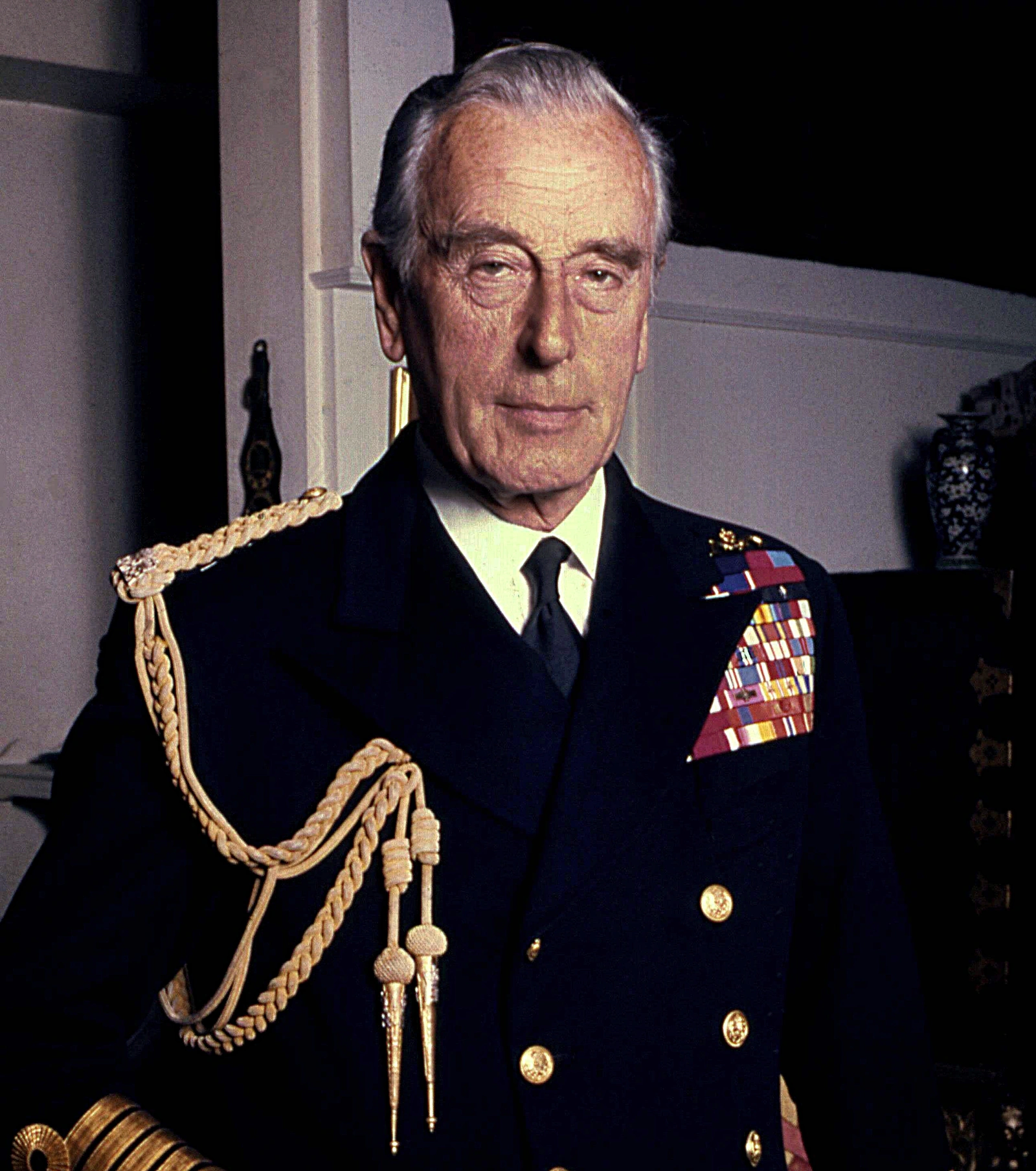
| 25 Quotes | |
| Born as | Louis Francis Albert Victor Nicholas George Mountbatten |
| Occup. | Soldier |
| From | United Kingdom |
| Born | June 25, 1900 Frogmore House, Windsor, Berkshire |
| Died | August 27, 1979 Mullaghmore, County Sligo, Republic of Ireland |
| Aged | 79 years |
| Cite | |
Citation Formats
APA Style (7th ed.)
Lord mountbatten biography, facts and quotes. (2026, February 11). FixQuotes. https://fixquotes.com/authors/lord-mountbatten/
Chicago Style
"Lord Mountbatten biography, facts and quotes." FixQuotes. February 11, 2026. https://fixquotes.com/authors/lord-mountbatten/.
MLA Style (9th ed.)
"Lord Mountbatten biography, facts and quotes." FixQuotes, 11 Feb. 2026, https://fixquotes.com/authors/lord-mountbatten/. Accessed 13 Feb. 2026.
Early Life and Background
Louis Francis Albert Victor Nicholas George Mountbatten was born June 25, 1900, at Frogmore House in Windsor, into a family whose very name was a map of Europe. A maternal great-grandson of Queen Victoria and the youngest son of Prince Louis of Battenberg (later Marquess of Milford Haven) and Princess Victoria of Hesse and by Rhine, he grew up inside the shifting fault lines of monarchy, nationalism, and the coming catastrophe of total war. The First World War forced the family to anglicize Battenberg to Mountbatten, a symbolic loss that sharpened his instinct to prove belonging through service.His private world was shaped by rank and anxiety. In an extended dynasty where affection could be conditional and performance was moral currency, Mountbatten learned early to read rooms, manage impressions, and seek leverage through competence. The atmosphere of court and naval mess culture also trained him in charm as a tool - a way to win allies, deflect rivals, and convert proximity to power into responsibility, sometimes faster than experience could safely justify.
Education and Formative Influences
Educated at home and then trained as a naval cadet at Osborne and Dartmouth, he entered the Royal Navy during a period when tradition collided with new technology - wireless, aviation, submarines, and the managerial demands of modern fleets. Mentors and patrons mattered, but so did his hunger to master systems: signals, planning, inter-service cooperation, and the backstage mechanics of command. Marriage in 1922 to Edwina Ashley, wealthy and unconventional, widened his social range and created a partnership of public duty and private complexity that would shadow his later postings in India and beyond.Career, Major Works, and Turning Points
Mountbatten built a high-profile naval career between the wars, then became one of Britain's most prominent wartime commanders: captain of HMS Kelly and a flotilla leader, he endured disaster and survival, shaping his appetite for decisive action. He rose rapidly in combined operations, and in 1943 Winston Churchill appointed him Supreme Allied Commander, South East Asia Command, overseeing the long campaign against Japan in Burma and the region, coordinating British, Indian, and American interests amid severe logistical limits. In 1947 he was sent as the last Viceroy and first Governor-General of independent India, charged with ending the Raj; his compressed timetable and the Partition that followed remain the most contested chapter of his life. In later years he served as First Sea Lord and Chief of the Defence Staff, and as a court figure central to the monarchy's public strategy. He was assassinated on August 27, 1979, by an IRA bomb on his boat Shadow V in County Sligo, a death that fused personal tragedy with the politics of the Troubles.Philosophy, Style, and Themes
Mountbatten's governing faith was in energy, organization, and the persuasive force of leadership performed at speed. He treated war and administration alike as problems of tempo, coordination, and morale, a mindset captured in the blunt operational creed: "The primary factor in a successful attack is speed". Admirers saw a modernizer who could cut through committee paralysis; critics saw a gambler who sometimes let momentum substitute for reflection, especially when political decisions carried human costs beyond a commander's map.Under the polish was a revealing self-portrait: ambition, vanity, and a fierce need to be useful to the point of compulsion. "What do you do if you are asked to do a job, first by the Prime Minister, and then by the King? How can you refuse?" That sentence exposes both genuine duty and a psychological trap - his identity fused to being chosen. Yet he also framed his own ego as a danger to be disciplined: "I believe firmly that it was the Almighty's goodness, to check my consummate vanity". In him, service and self-display were not opposites but interlocked drives, producing a leader who could inspire loyalty and also court controversy by trusting his own narrative of indispensability.
Legacy and Influence
Mountbatten endures as a study in 20th-century British power: a royal-adjacent officer who mastered modern staffcraft, publicity, and alliance politics, and who embodied both the confidence and the limits of imperial management. His SEAC tenure helped professionalize joint planning in a theater often neglected in British memory, while his defense roles fed postwar reforms toward integrated command. But his deepest imprint lies in 1947: India's independence, Pakistan's creation, and the violence of Partition ensure that his name is invoked not only in biographies of empire's end but in arguments about responsibility, haste, and historical contingency. As a mentor within the royal family and a symbol targeted by republican violence, he also became a bridge - and a flashpoint - between monarchy, military authority, and the turbulent politics of modern Britain.Our collection contains 25 quotes written by Lord, under the main topics: Leadership - Work Ethic - Knowledge - Military & Soldier - Legacy & Remembrance.