
Loris Malaguzzi Biography Quotes 9 Report mistakes
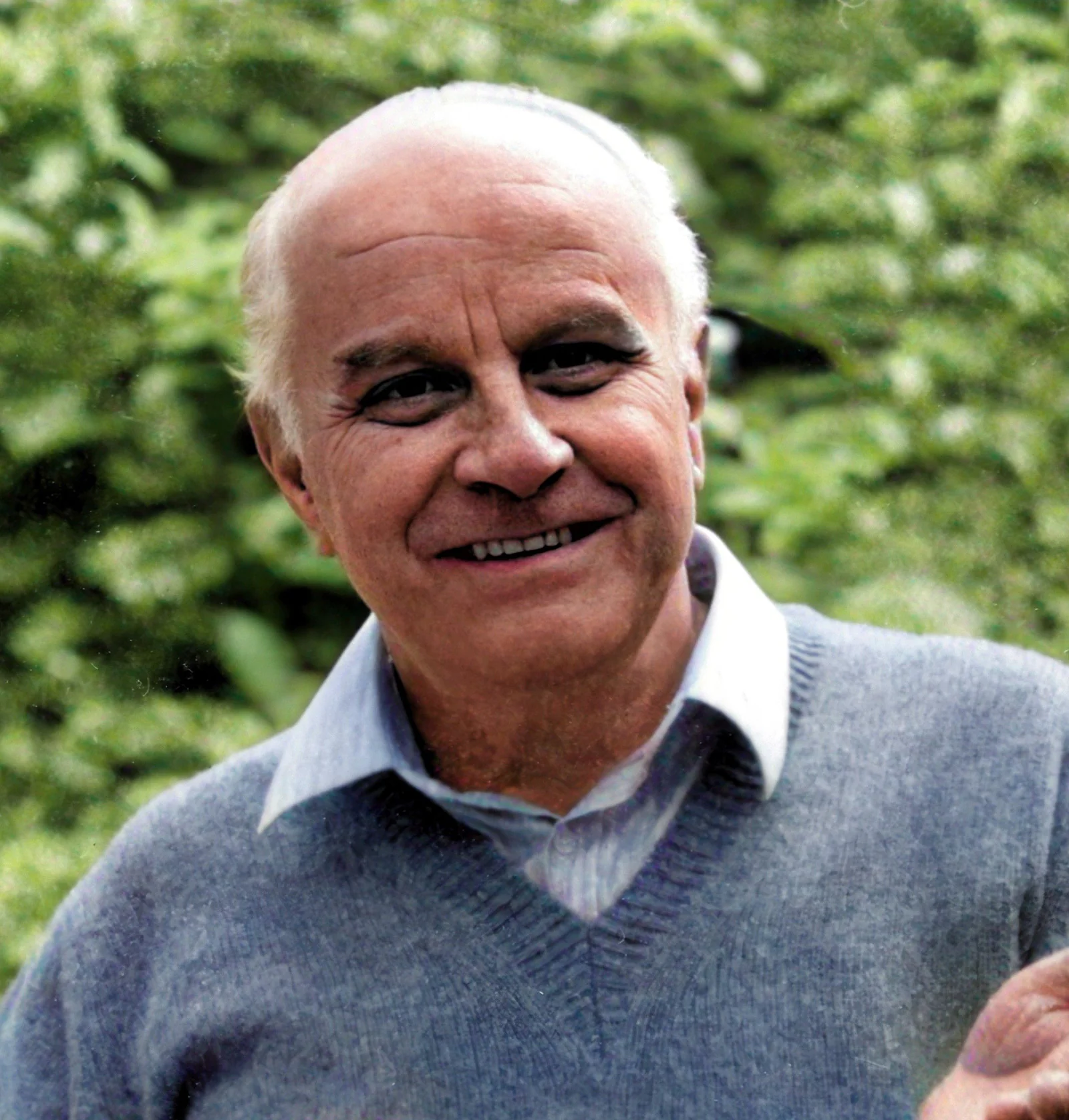
| 9 Quotes | |
| Occup. | Teacher |
| From | Italy |
| Born | February 23, 1920 Correggio, Reggio Emilia |
| Died | January 30, 1994 Modena, Italy |
| Cause | Unexpected heart attack |
| Aged | 73 years |
| Cite | |
Citation Formats
APA Style (7th ed.)
Loris malaguzzi biography, facts and quotes. (2026, February 2). FixQuotes. https://fixquotes.com/authors/loris-malaguzzi/
Chicago Style
"Loris Malaguzzi biography, facts and quotes." FixQuotes. February 2, 2026. https://fixquotes.com/authors/loris-malaguzzi/.
MLA Style (9th ed.)
"Loris Malaguzzi biography, facts and quotes." FixQuotes, 2 Feb. 2026, https://fixquotes.com/authors/loris-malaguzzi/. Accessed 25 Mar. 2026.
Early Life and Background
Loris Malaguzzi was born on 1920-02-23 in Correggio, in Italys Emilia-Romagna region, a landscape of small cities, artisan work, and intense civic life. His childhood unfolded under Fascism, when schooling was often enlisted for conformity and rhetoric. That early collision between childrens lived intelligence and the states demand for obedience became a quiet tension he carried into adulthood.He came of age during World War II, a period that shattered institutions and exposed how fragile social orders are. In the aftermath, the Emilia countryside and the city of Reggio Emilia became laboratories of reconstruction - not only of buildings, but of trust, participation, and the meaning of democracy. Malaguzzi absorbed that atmosphere of communal initiative, where ordinary citizens believed that education could be a public good built from the ground up.
Education and Formative Influences
Malaguzzi trained as an elementary teacher and studied psychology and pedagogy, entering the profession when Italy was remaking itself as a republic. His formative influences were less a single doctrine than a set of postwar realities: women demanding public services, workers organizing civic culture, and new conversations about childhood arising from developmental psychology and progressive education. The idea that school could be both a cultural institution and a research site took hold early, and he learned to treat classrooms as places where observation, documentation, and reflection could discipline intuition.Career, Major Works, and Turning Points
His decisive turning point came in the late 1940s when he encountered the parent-led creation of a nursery school in Villa Cella near Reggio Emilia, built with salvaged materials and fueled by the belief that children deserved a new beginning after the war. Malaguzzi became a central pedagogical leader in Reggio Emilias municipal early childhood system, later serving as director of the citys early childhood services and shaping a network of infant-toddler centers and preschools that gained worldwide recognition as the Reggio Emilia approach. Rather than publishing a single canonical treatise, he worked through projects, public exhibitions, lectures, and collaborative writing with educators; the international exhibition The Hundred Languages of Children became one of the movements most influential vehicles, translating local practice into a portable vision without reducing it to a method.Philosophy, Style, and Themes
Malaguzzis inner life as an educator was marked by a disciplined optimism: he distrusted sentimental views of childhood but refused cynicism about institutions. His pedagogy began with an ethical wager that children arrive not empty but already interpretive, and that adults must build conditions worthy of that intelligence: “At the heart of the Reggio Emilia approach is the belief that children are full of potential, competent, and capable of constructing their own learning”. The line is not mere praise - it is a psychological stance. It demands that teachers tolerate uncertainty, surrender the comfort of predetermined outcomes, and replace control with attentive responsibility.His style was collaborative and forensic. He treated teaching as a form of inquiry conducted in the company of children, colleagues, and families, with documentation as both memory and critique. “Learning and teaching should not stand on opposite banks and just watch the river flow by; instead, they should embark together on a journey down the water”. Here he reveals his core drive: reciprocity as the engine of growth, and relationship as the true curriculum. The environment, materials, and atelier were not decorative add-ons but instruments for thinking, because “The environment should act as an aquarium which reflects the ideas, ethics, attitudes, and culture of the people who live in it”. In that metaphor lies his most political insight - every classroom, knowingly or not, displays what a community believes about children, work, beauty, and power.
Legacy and Influence
Malaguzzi died on 1994-01-30, but his influence widened after his death as Reggio-inspired networks formed across Europe, the Americas, and Asia, shaping teacher education, museum-school partnerships, and new standards for early childhood environments and documentation. His legacy endures less as a recipe than as a demanding ethic: to treat children as citizens-in-formation, teachers as researchers, and schools as cultural projects accountable to their communities. In an era still tempted by testing and efficiency, Malaguzzis work persists as a reminder that democratic life begins in the smallest spaces where adults decide whether to listen seriously to children.Our collection contains 9 quotes written by Loris, under the main topics: Learning - Self-Improvement - Teaching.
Frequently Asked Questions
- Loris Malaguzzi pronunciation: Loris Malaguzzi is pronounced as 'LOH-ris mah-lah-GOOT-see'.
- Loris Malaguzzi theory of play: Malaguzzi believed that play is a vital component of learning, allowing children to explore, imagine, and construct knowledge.
- Loris Malaguzzi theory in early childhood education: In early childhood education, Malaguzzi's Reggio Emilia approach focuses on collaboration, self-expression, and the use of the environment as a 'third teacher'.
- Loris Malaguzzi theory: Loris Malaguzzi is best known for developing the Reggio Emilia approach to education, which emphasizes child-centered, experiential learning.
- How old was Loris Malaguzzi? He became 73 years old