
Lucretius Biography Quotes 21 Report mistakes
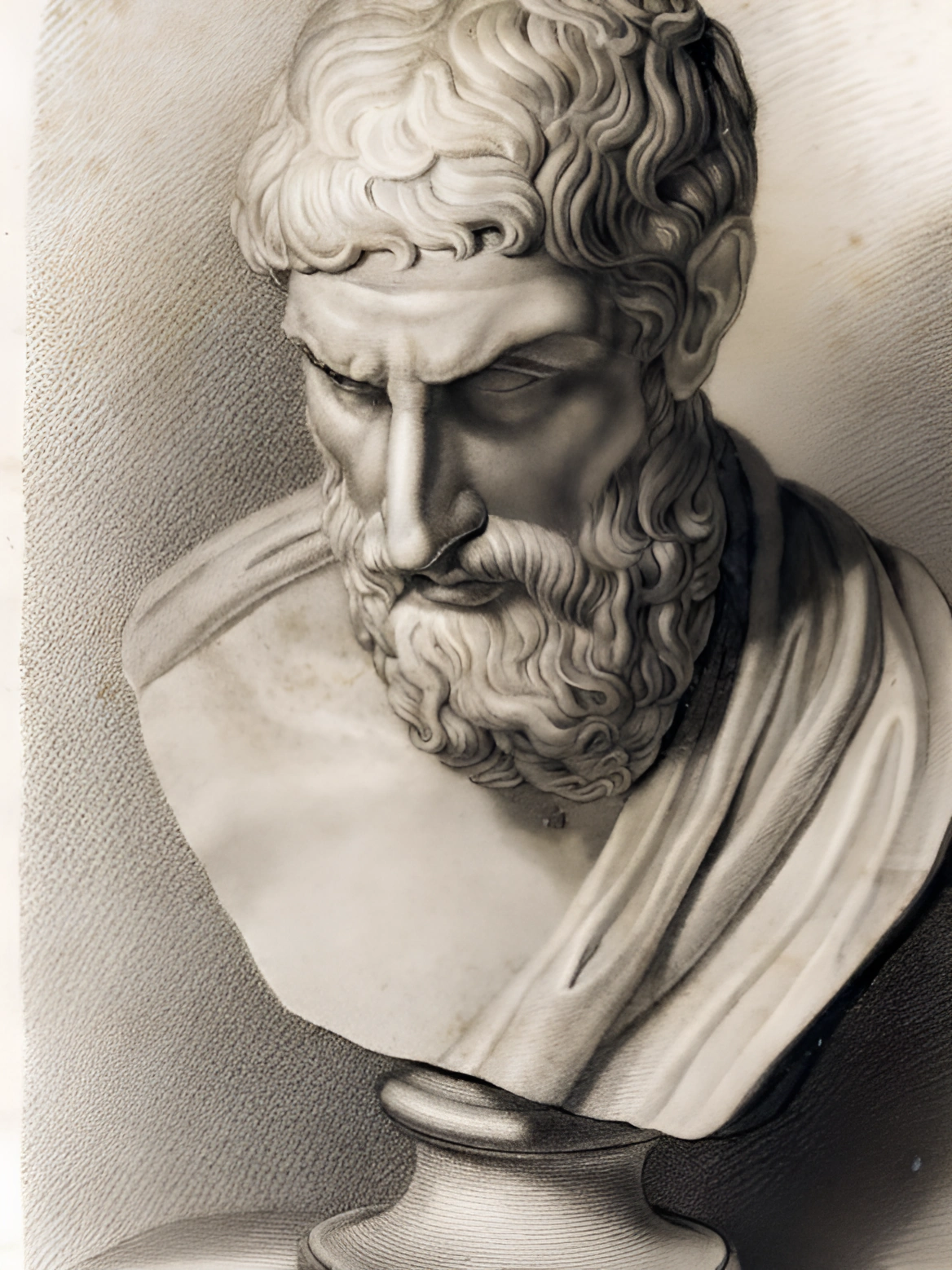
| 21 Quotes | |
| Known as | Titus Lucretius Carus |
| Occup. | Poet |
| From | Rome |
| Born | 94 BC |
| Died | 55 BC |
| Cite | |
Citation Formats
APA Style (7th ed.)
Lucretius biography, facts and quotes. (2026, February 11). FixQuotes. https://fixquotes.com/authors/lucretius/
Chicago Style
"Lucretius biography, facts and quotes." FixQuotes. February 11, 2026. https://fixquotes.com/authors/lucretius/.
MLA Style (9th ed.)
"Lucretius biography, facts and quotes." FixQuotes, 11 Feb. 2026, https://fixquotes.com/authors/lucretius/. Accessed 5 Mar. 2026.
Early Life and Background
Titus Lucretius Carus was born around 94 BCE, probably in or near Rome, into a Republic strained by inequality, provincial conquest, and the aftershocks of civil violence. The generation of his youth had watched the Social War redraw citizenship, then seen Sulla seize the city and weaponize law through proscriptions. In such an atmosphere, politics could feel like a roulette of fear and patronage, and the old civic religion - once a glue for the city - often looked less like piety than like anxious bargaining with unseen powers.Almost nothing certain survives about his family, offices, or private life; even the cognomen "Carus" tells little beyond Roman naming habit. That silence is itself revealing. Lucretius enters history less as a public man than as a mind, and his surviving footprint is a single, massive poem that reads like an inner autobiography of nerves mastered by explanation. He is Roman in his urgency and rhetorical force, yet his emotional center turns away from forum glory toward the quieter heroism of understanding.
Education and Formative Influences
Lucretius likely received the elite Roman education of his class: grammar, Greek reading, and rhetorical training, with exposure to the philosophical schools that competed for Rome's ambitious young. His decisive allegiance was to Epicureanism, the atomist tradition of Epicurus filtered through Greek scholarship and adapted for Latin ears. He also absorbed the craft of earlier Latin poetry - Ennius above all - and the honeyed didactic manner of Hellenistic writers, but he redirected those tools toward a new target: not mythic origins or civic exhortation, but a material account of nature meant to calm terror, especially the terror of the gods and of death.Career, Major Works, and Turning Points
His single extant work, De Rerum Natura (On the Nature of Things), was composed in six books in hexameter, probably in the 60s BCE and left unfinished at his death around 55 BCE; later tradition says Cicero edited it, though the claim cannot be proved. The poem is addressed to Gaius Memmius, a Roman aristocrat and patron, and it functions as both philosophical treatise and psychological intervention: it argues that everything consists of atoms and void, that the world was not made for humans, that the soul is mortal, and that fear is a disease with natural causes and therefore a natural cure. The turning point of his career is thus not a public appointment but the decision to bet his life on one work that would carry Epicurus into Latin with the force of prophecy.Philosophy, Style, and Themes
Lucretius is often labeled a cold rationalist, but his poem is driven by hot emotions - dread, pity, anger at superstition, and a fierce compassion for the frightened. He wants not merely to persuade but to rewire reflexes. The famous image of watching a storm at sea from the safety of shore is not smugness so much as diagnosis: the sweetness is the relief of distance from panic, a vantage point reason can provide. “Pleasant it is, when over a great sea the winds trouble the waters, to gaze from shore upon another's great tribulation; not because any man's troubles are a delectable joy, but because to perceive you are free of them yourself is pleasant”. The scene dramatizes his aim - to move the reader from the tossing deck of terror to the firm ground of explanation.His method is relentless accumulation: example after example, analogy after analogy, until the mind yields. That persistence matches his ethical claim that liberation is gradual, not miraculous. “Constant dripping hollows out a stone”. In Lucretius, repetition is therapy: each return to atoms, mortality, and natural causation is another drop wearing away inherited fear. He also insists on the variability of experience - how bodies and minds differ, and how false universals breed cruelty. “What is food to one man is bitter poison to others”. The line is physiological, but it carries a wider Epicurean lesson: desires, pains, and pleasures are not decreed by fate or gods; they arise from compound natures, contexts, and habits that can be understood and, to a degree, remade.
Legacy and Influence
Lucretius' immediate Roman reception was limited by the very forces he opposed: a culture that prized ancestral rites and a century that slid into autocracy. Yet his poem endured in the manuscript tradition, then re-entered European thought with explosive force after its rediscovery in 1417 by Poggio Bracciolini. De Rerum Natura helped furnish the Renaissance and early modern world with a Latin vocabulary for atomism, natural causation, and the critique of superstition, influencing poets and philosophers from Montaigne to later scientific imagination. His enduring influence lies not only in ideas that anticipate aspects of modern materialism, but in a model of intellectual courage: a poet who treated fear as a solvable problem and made the search for truth feel, in Latin, like a matter of life and breath.Our collection contains 21 quotes written by Lucretius, under the main topics: Ethics & Morality - Wisdom - Friendship - Mortality - Deep.
Other people related to Lucretius: Michel de Montaigne (Philosopher), Democritus (Philosopher), Lactantius (Author), Stephen Greenblatt (Critic)
Lucretius Famous Works
- -50 On the Nature of Things (De rerum natura) (Poetry)