
Lucy Larcom Biography Quotes 5 Report mistakes
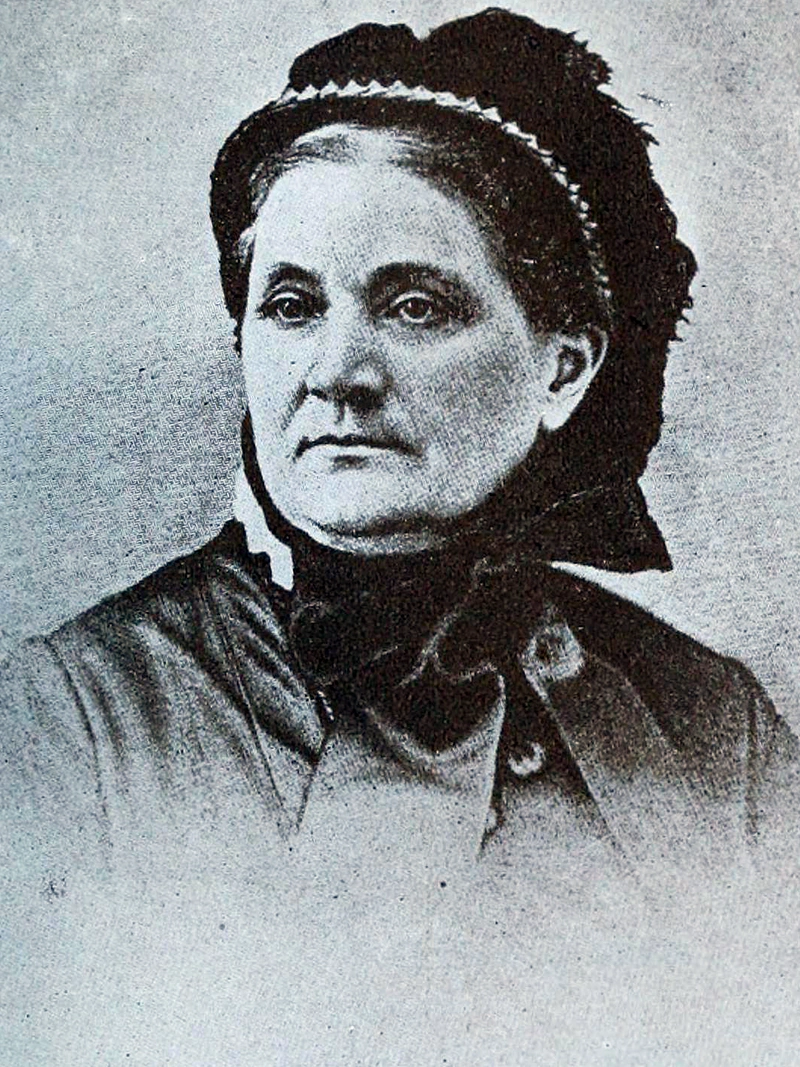
| 5 Quotes | |
| Occup. | Poet |
| From | USA |
| Born | March 5, 1824 Beverly, Massachusetts, USA |
| Died | April 17, 1893 Boston, Massachusetts, USA |
| Aged | 69 years |
| Cite | |
Citation Formats
APA Style (7th ed.)
Lucy larcom biography, facts and quotes. (2026, February 11). FixQuotes. https://fixquotes.com/authors/lucy-larcom/
Chicago Style
"Lucy Larcom biography, facts and quotes." FixQuotes. February 11, 2026. https://fixquotes.com/authors/lucy-larcom/.
MLA Style (9th ed.)
"Lucy Larcom biography, facts and quotes." FixQuotes, 11 Feb. 2026, https://fixquotes.com/authors/lucy-larcom/. Accessed 27 Mar. 2026.
Early Life and Background
Lucy Larcom was born on March 5, 1824, in Beverly, Massachusetts, into a seafaring New England world shaped by Protestant discipline, coastal commerce, and the boom-and-bust anxieties of the early republic. Her father, a ship captain, died when she was still a child, and the household economy tightened abruptly. The loss mattered not only materially but psychologically: it pressed the young Larcom into an early awareness of how quickly security could vanish, and it sharpened the moral seriousness that would later sit beside her lyric brightness.In the 1830s her family moved to Lowell, Massachusetts, one of the signature factory cities of the American Industrial Revolution. There, Larcom entered the orbit of the textile mills and the new female wage-labor culture that Lowell became famous for - a setting where bells, boardinghouses, and loom rooms created both confinement and community. The city offered contradictions she never stopped exploring: grueling work and self-education, mechanical noise and inward song, the dignity of earning and the fear of being reduced to a pair of hands.
Education and Formative Influences
Larcom attended local schools and read widely, but her formative education was the mill itself - its discipline, its ceaseless rhythms, and the way young women built an intellectual life around them. In Lowell she absorbed the era's reform energies: abolitionist debate, temperance rhetoric, and the belief that literature could be a tool of self-making. She published early in the Lowell Offering, the workers' magazine that became a national curiosity, and learned to treat experience - even harsh experience - as usable material for art, memory, and moral witness.Career, Major Works, and Turning Points
After years of mill work, Larcom pursued teaching, eventually joining the faculty at Wheaton Female Seminary in Norton, Massachusetts (later Wheaton College), where she taught English for many years and helped shape the intellectual ambitions of young women. Her literary reputation grew steadily through poems, essays, and hymn texts, with work appearing in major periodicals; she became known for a voice at once plain, musical, and ethically alert. Her landmark prose memoir, A New England Girlhood (1889), returned to Beverly and Lowell with a clear-eyed tenderness, turning personal history into a social document of early industrial America and a portrait of female aspiration inside tight boundaries.Philosophy, Style, and Themes
Larcom's inner life was built around a stubborn refusal to let circumstance define the soul. Looking back on Lowell, she insisted that attention and imagination could keep a worker from being spiritually mechanized: “I defied the machinery to make me its slave. Its incessant discords could not drown the music of my thoughts if I would let them fly high enough”. That sentence is less boast than coping strategy - a record of how she protected her mind by making it mobile, lifting thought above the roar while still honoring the reality below. Her style mirrored this tactic: direct diction, hymn-like cadence, and images that convert pressure into poise.She also cultivated a moral optimism that did not deny pain but refused to idolize it. “Like a plant that starts up in showers and sunshine and does not know which has best helped it to grow, it is difficult to say whether the hard things or the pleasant things did me the most good”. The psychology behind that metaphor is revealing: she frames suffering and happiness as paired nutrients, turning biography into a theology of growth rather than a ledger of grievances. Even her consolations are active, not sentimental: “If the world's a veil of tears, Smile till rainbows span it”. The imperative is the point - she treats hope as a practice, a discipline of perception that can be learned and chosen, especially by those the age tried to silence.
Legacy and Influence
Larcom endures as one of the most articulate poetic witnesses to the Lowell mill generation and to the broader nineteenth-century transformation of women's work, education, and authorship. Her writing preserves the sound and moral weather of industrial New England while insisting that interior freedom is real and costly; A New England Girlhood remains a primary lens on how wage labor, religion, and reading shaped female selfhood. Later poets and historians have drawn on her as an early voice of working women's literature - not revolutionary in program, but quietly radical in premise: that a woman's mind, even under factory discipline, could claim seriousness, beauty, and public speech.Our collection contains 5 quotes written by Lucy, under the main topics: Motivational - Wisdom - Freedom - Kindness - Optimism.
Lucy Larcom Famous Works
- 1889 A New England Girlhood (Autobiography)