
Luis Cernuda Biography Quotes 1 Report mistakes
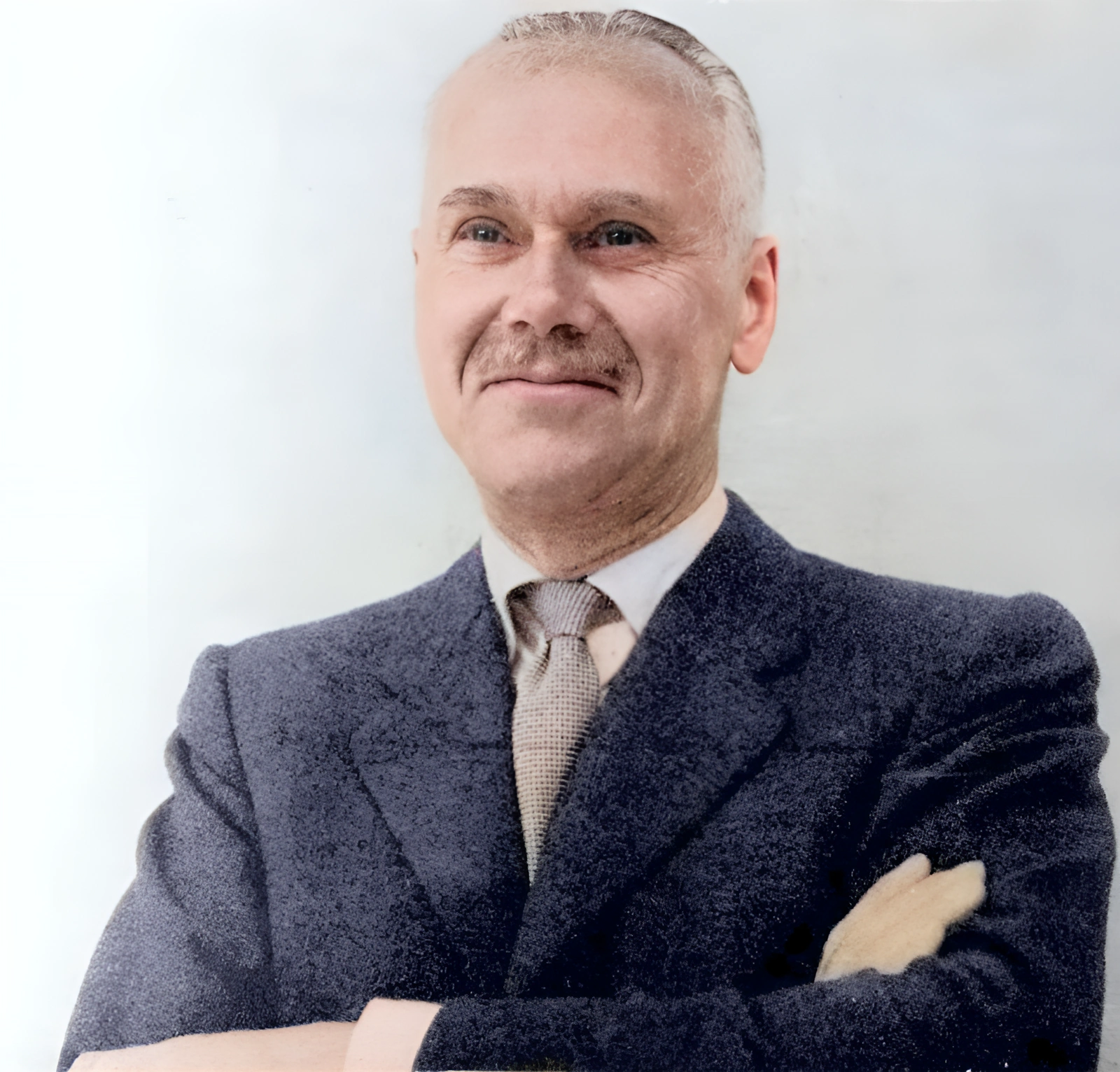
| 1 Quotes | |
| Born as | Luis Cernuda Bidón |
| Occup. | Poet |
| From | Spain |
| Born | September 21, 1902 Seville, Andalusia, Spain |
| Died | November 5, 1963 Mexico City, Mexico |
| Cause | Heart attack |
| Aged | 61 years |
| Cite | |
Citation Formats
APA Style (7th ed.)
Luis cernuda biography, facts and quotes. (2026, February 11). FixQuotes. https://fixquotes.com/authors/luis-cernuda/
Chicago Style
"Luis Cernuda biography, facts and quotes." FixQuotes. February 11, 2026. https://fixquotes.com/authors/luis-cernuda/.
MLA Style (9th ed.)
"Luis Cernuda biography, facts and quotes." FixQuotes, 11 Feb. 2026, https://fixquotes.com/authors/luis-cernuda/. Accessed 5 Mar. 2026.
Early Life and Background
Luis Cernuda Bidon was born on 21 September 1902 in Seville, in a Spain still shadowed by the 1898 imperial collapse and the anxious modernity that followed. His household was defined by hierarchy: a strict military father and a more protective mother, a climate that sharpened the boy's sensitivity while teaching him early the costs of candor. Seville offered him sunlit patios, baroque churches, and an Andalusian sense of lyric inheritance, but also a social surveillance that made difference feel dangerous.From adolescence, Cernuda carried an inner split between private desire and public role, a conflict that would become the engine of his work. Reserved, proud, and often solitary, he developed a temperament that sought truth in art because ordinary life felt cramped and judgmental. The city gave him images of beauty and ritual; it also gave him the first sense that beauty could be both refuge and wound.
Education and Formative Influences
He studied law at the University of Seville, but his decisive education was literary: Pedro Salinas, then teaching in Seville, became a key mentor, guiding him toward modern European poetry and a more exacting intellectual discipline. Cernuda absorbed Symbolism, French modernism, and the new Spanish lyric emerging around the Generation of 27, finding in Garcilaso, Bécquer, and later in Gide and the Surrealists models for speaking about desire with precision rather than confessionality. These influences helped him build a voice that sounded classical in line yet modern in conscience.Career, Major Works, and Turning Points
Cernuda moved toward Madrid in the late 1920s and entered the orbit of the Generation of 27 alongside poets and critics such as Salinas, Vicente Aleixandre, and Federico Garcia Lorca, publishing early books that led into the long, unified project later gathered as La realidad y el deseo (Reality and Desire). The 1936 Civil War turned biography into fate: aligned with the Republic, he left Spain and never returned, living in Britain, the United States, and finally Mexico. Exile hardened his clarity, deepened his skepticism of nations and pieties, and reoriented his work toward memory, erotic truth, and the ethics of solitude; major later volumes such as Las nubes and Desolacion de la quimera register a mind measuring loss without surrendering to sentimentality. He died in Mexico City on 5 November 1963.Philosophy, Style, and Themes
Cernuda wrote as if life were a perpetual trial in which the evidence was desire. His central dialectic - reality versus longing - is not a romantic pose but a psychological map: he distrusted social consensus, yet he refused self-pity, choosing instead the stern consolation of lucidity. In his moral universe, beauty is never harmless ornament; it is a test of time and a reminder of fragility. “Everything beautiful has its moment and then passes away”. The sentence crystallizes his recurrent experience that the world grants glimpses and then withdraws them, leaving the poet to salvage meaning through form.Stylistically, his evolution moves from early refinement toward a more open, meditative line shaped by exile and by contact with English poetry. He could sound severe, even icy, but the severity was protective: a way to keep feeling from dissolving into pleading. His poems often stage the self as witness - to a vanished Spain, to lovers who cannot be named safely in their own time, to landscapes that become moral weather. The voice insists that authenticity has a cost, and that the poet's task is to pay it without theatricality, turning private experience into a disciplined inquiry about freedom, time, and belonging.
Legacy and Influence
Cernuda remains one of the defining poets of 20th-century Spanish literature and a central conscience of exile, his work read as a sustained argument for inner truth against the coercions of nation, convention, and fear. La realidad y el deseo offered later writers a model of poetic unity across decades, while his frank treatment of erotic longing helped widen what Spanish lyric could admit, especially in the long afterlife of Francoist silence. His influence persists in poets who prize moral clarity, unsentimental beauty, and the idea that a life can be redeemed - not by happiness - but by the exactness with which it is understood and sung.Our collection contains 1 quotes written by Luis, under the main topics: Mortality.
Frequently Asked Questions
- Luis Cernuda poems: Some of Luis Cernuda's notable poems include 'Donde habite el olvido,' 'La realidad y el deseo,' and 'Los placeres prohibidos.'
- How old was Luis Cernuda? He became 61 years old
Luis Cernuda Famous Works
- 1952 Remorse en traje de noche (Play)
- 1942 Ocnos (Prose)
- 1936 Collected Poems (Book)
Source / external links