
Ma Jaya Biography Quotes 14 Report mistakes
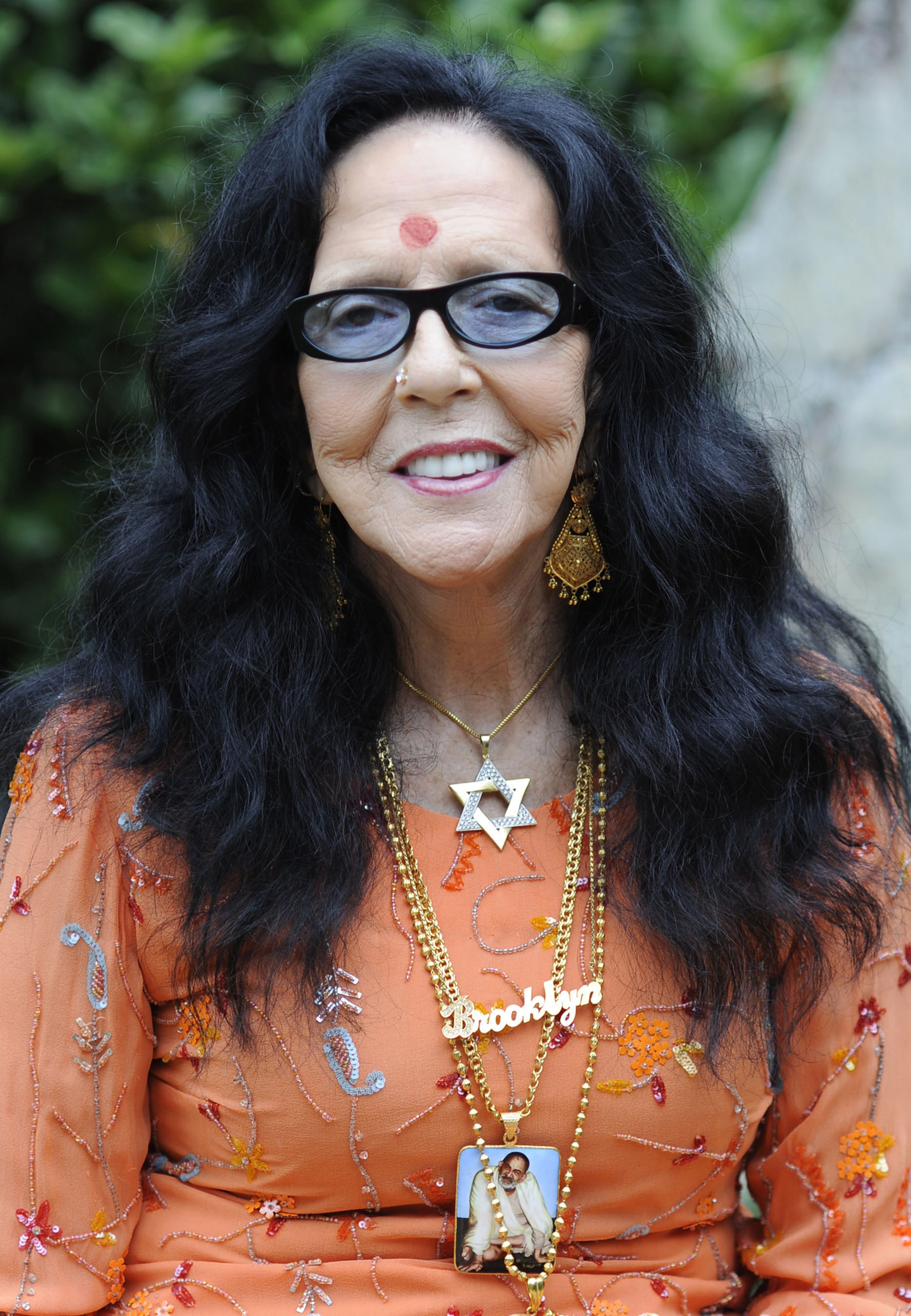
| 14 Quotes | |
| Born as | Joyce Green |
| Known as | Ma Jaya Sati Bhagavati |
| Occup. | Teacher |
| From | USA |
| Born | May 26, 1940 Brooklyn, New York, USA |
| Died | April 16, 2012 Florida, United States |
| Cause | Cancer |
| Aged | 71 years |
| Cite | |
Citation Formats
APA Style (7th ed.)
Ma jaya biography, facts and quotes. (2026, February 11). FixQuotes. https://fixquotes.com/authors/ma-jaya/
Chicago Style
"Ma Jaya biography, facts and quotes." FixQuotes. February 11, 2026. https://fixquotes.com/authors/ma-jaya/.
MLA Style (9th ed.)
"Ma Jaya biography, facts and quotes." FixQuotes, 11 Feb. 2026, https://fixquotes.com/authors/ma-jaya/. Accessed 12 Feb. 2026.
Early life and search for meaning
Ma Jaya was the spiritual name of Joyce Green, born around 1940 in the United States. Details of her childhood and early family life are not consistently documented in widely available sources, but accounts of her later years portray her as someone who began searching early for relief from personal suffering and for a deeper sense of purpose. That search, which blended psychological, devotional, and cross-cultural spiritual influences, became the central arc of her public identity. Over time she became known for teaching a path centered on love, service, and an intimate, experiential relationship with the divine, expressed through the Hindu-derived honorific "Ma" (mother) and the emphasis on compassionate presence.Formation as a teacher
Joyce Green eventually became known as Ma Jaya Sati Bhagavati, a name that reflected her alignment with Hindu devotional language and the wider interfaith spiritual currents of the late 20th century in America. Her approach did not present itself primarily as an academic system or a strictly doctrinal program; instead, it drew on lived experience, storytelling, and practical guidance aimed at emotional healing and spiritual awakening. Those who came to her often described her as direct, nurturing, and intense, a combination that supported her reputation as a teacher who encouraged both devotion and personal responsibility.As her role expanded from seeker to guide, Ma Jaya gathered students and supporters who saw her as a spiritual mother figure. She was not simply a writer or lecturer operating at a distance; she was associated with a community context in which teachings were transmitted through personal interaction, daily practice, and service. People close to her in this period included her students and collaborators within her organization, who helped translate her charismatic leadership into programs, events, and charitable work.
Kashi Ashram and a life of service
Ma Jaya became closely associated with Kashi Ashram in Florida, a spiritual community and service-centered nonprofit that became a focal point for her work and the people around her. The ashram functioned both as a place of retreat and as a base for outreach, reflecting her emphasis on spirituality expressed through compassionate action. Kashi Ashram was known for welcoming individuals from varied backgrounds, and Ma Jaya spoke in a way that resonated with those seeking a nonsectarian form of devotion that still carried the warmth and symbolism of Hindu bhakti traditions.The community around Ma Jaya included residents, volunteers, and visitors who participated in meditation, devotional practices, and acts of charity. Leadership and daily operations relied on long-term students and staff members who supported the ashram's continuity, assisted in organizing gatherings, and carried forward service initiatives. While Ma Jaya was the central public figure, the ashram's life was shaped by the collective efforts of those who lived and worked there, including caregivers, administrators, and disciples who treated her as a teacher and spiritual parent.
Public presence, teaching style, and influence
Ma Jaya was best known for a teaching style rooted in personal encounter rather than abstract theory. She spoke about love as a disciplined practice, forgiveness as a way of freeing the heart, and surrender as a practical posture toward life rather than a passive resignation. Many who sought her out did so during times of crisis, grief, or emotional upheaval, and her counsel was remembered as both consoling and challenging. The people most important around her were her students, the ashram community, and the wider circle of supporters who visited for retreats or participated in charitable projects, forming an extended network through which her influence spread.Her identity as an American-born woman who took on an Indian spiritual title placed her within a broader cultural moment in which Eastern religious forms were being adopted and adapted by Western seekers. For admirers, she represented the possibility that deep devotion and service could be lived authentically outside one's birth tradition. For others, her prominence raised the perennial questions that surround charismatic spiritual leadership, including the dynamics of authority, devotion, and community. Regardless of viewpoint, her public legacy is inseparable from the relationships she cultivated: teacher and student, guide and seeker, mother figure and community members who believed their lives had been transformed through contact with her.
Later years and death
Ma Jaya remained identified with Kashi Ashram and its ongoing work into her later years. She died around 2012. Specific details about the circumstances of her death, including any definitive medical cause, are not consistently established in broadly accessible public summaries, though it has been commonly reported that she died in the United States and that illness may have played a role. After her death, her community and supporters continued to remember her through the institutions and practices associated with her name and through the personal testimonies of those who had lived with her guidance.Legacy
Ma Jaya's legacy is primarily carried in the lives of the people who gathered around her: the students who treated her as a spiritual mother, the volunteers and residents who sustained Kashi Ashram, and the supporters who connected her teachings with charitable service. Her story, as Joyce Green becoming Ma Jaya, reflects a distinctly American spiritual journey shaped by cross-cultural devotion and a strong emphasis on compassionate action. While many details of her early biography remain less firmly documented than her public role, her enduring significance lies in the community she led and in the message of love and service that defined her work.Our collection contains 14 quotes written by Ma, under the main topics: Love - Live in the Moment - Kindness - Faith - Forgiveness.
Frequently Asked Questions
- Kashi Ashram Parvati: Parvati is honored at Kashi Ashram as an expression of the Divine Mother within its devotional practices.
- Kashi Ashram beliefs: Kashi Ashram teachings emphasize devotion, service, interfaith respect, and spiritual practice centered on the Divine Mother.
- Jaya bhagavati: “Jaya Bhagavati” is a devotional phrase meaning “Victory to the Divine Mother,” used in chanting and prayer.
- Ma Jaya Reddit: Reddit discussions about Ma Jaya typically mention Kashi Ashram, her teachings, and personal experiences shared by commenters.
- Ma Jaya Parvati: Ma Jaya was often associated with the Hindu goddess Parvati in her teachings and devotional tradition.
- Kashi Ashram Ma Jaya: Ma Jaya (Joyce Green, c.1940–c.2012) was the spiritual teacher who founded Kashi Ashram in the United States.
- How old was Ma Jaya? She became 71 years old
Source / external links