
Ma Jaya Biography Quotes 14 Report mistakes
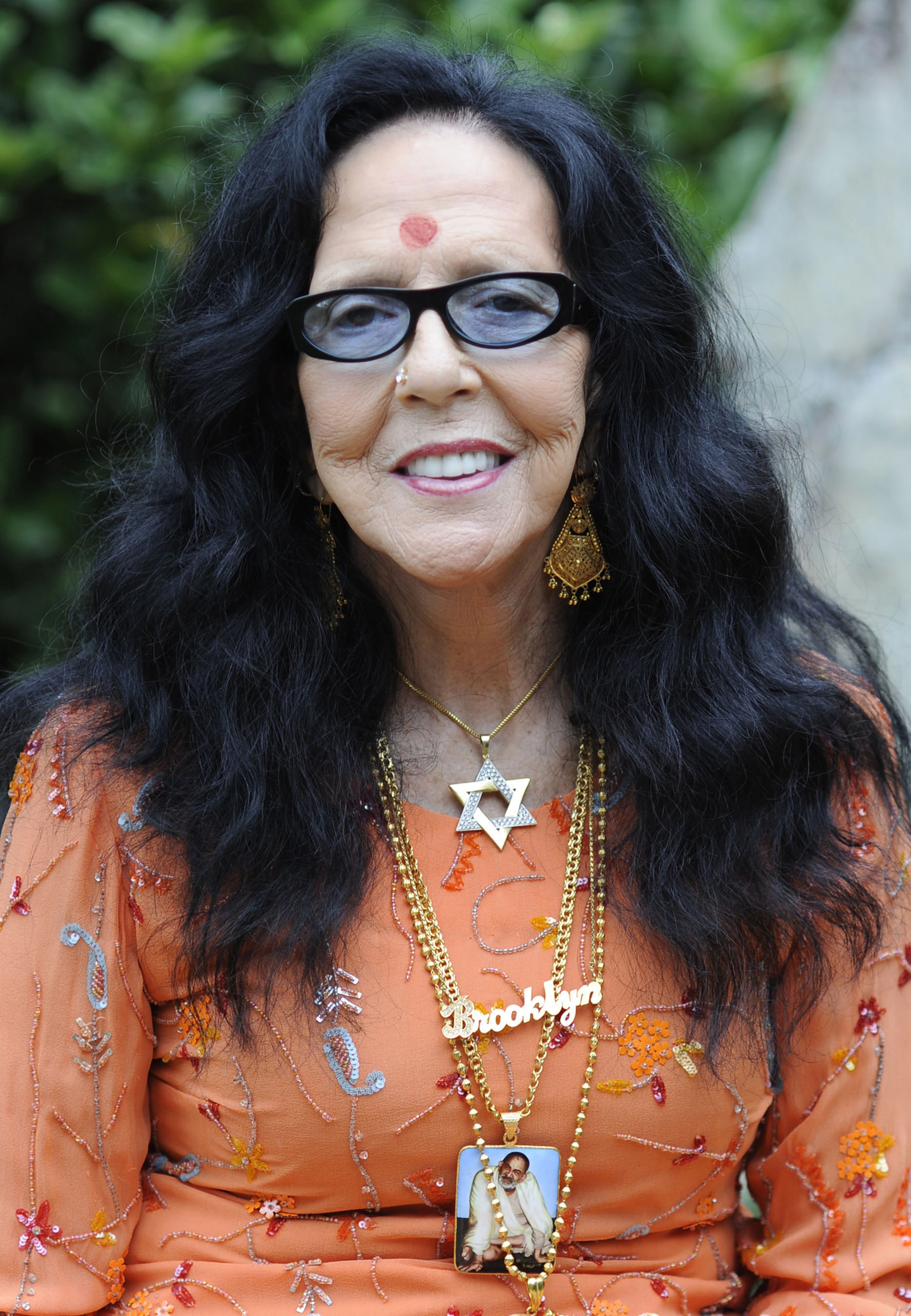
| 14 Quotes | |
| Born as | Joyce Green |
| Known as | Ma Jaya Sati Bhagavati |
| Occup. | Teacher |
| From | USA |
| Born | May 26, 1940 Brooklyn, New York, USA |
| Died | April 16, 2012 Florida, United States |
| Cause | Cancer |
| Aged | 71 years |
| Cite | |
Citation Formats
APA Style (7th ed.)
Ma jaya biography, facts and quotes. (2026, February 27). FixQuotes. https://fixquotes.com/authors/ma-jaya/
Chicago Style
"Ma Jaya biography, facts and quotes." FixQuotes. February 27, 2026. https://fixquotes.com/authors/ma-jaya/.
MLA Style (9th ed.)
"Ma Jaya biography, facts and quotes." FixQuotes, 27 Feb. 2026, https://fixquotes.com/authors/ma-jaya/. Accessed 3 Apr. 2026.
Early Life and Background
Ma Jaya Sati Bhagavati, born Joyce Green on May 26, 1940, in the United States, came of age in a mid-century America that promised stability yet quietly incubated spiritual restlessness. Public records and later accounts agree on the broad outline of her transformation from an ordinary American upbringing into an unconventional life of religious searching, but many early specifics were narrated by Jaya herself in ways that blurred memoir, teaching story, and parable. That ambiguity was not incidental: she treated biography as a vessel for meaning, not a ledger of verifiable facts, and she repeatedly redirected attention from origin stories to the inner work of awakening.By her own telling, the early decades were marked by intense sensitivity, periods of psychological strain, and a hunger to find a love that could survive fear, illness, and loss. She spoke as someone who had known both invisibility and the pressure to perform normalcy, and that tension became central to her later persona: a teacher who invited disciples to bring shame, rage, and grief into the light without theatricality. The America of her youth - postwar confidence shadowed by Cold War anxiety - offered conventional routes for women and conventional therapies for pain. Jaya would move toward an alternative map: devotional practice, service, and a rigorous demand for emotional truth.
Education and Formative Influences
Green was not primarily shaped by formal academic institutions so much as by the spiritual marketplace that widened dramatically in the 1960s and 1970s, when Hindu and Buddhist teachers, Western psychotherapy, and the human potential movement mingled in American cities and retreat centers. She is commonly described as having traveled and studied with Indian and Himalayan lineages; her adopted name signals a deliberate alignment with South Asian devotional and yogic traditions. Yet her most decisive formation was experiential: the conversion of suffering into method. In her teaching stories, breakdown and revelation were intertwined, and the authority she claimed came less from credentials than from the hard-won credibility of someone who had survived her own mind.Career, Major Works, and Turning Points
By the late twentieth century she emerged publicly as Ma Jaya, a spiritual teacher with a distinct American voice - intimate, stern when needed, and deeply pastoral. She founded an intentional community and service organization in Florida, known as Kashi Ashram, which became the center of her teaching, retreats, and charitable work, including interfaith outreach and care for people affected by poverty and illness. Her writings, circulated through books, talks, and community publications, functioned as extensions of her satsang style: direct counsel on fear, forgiveness, addiction, and the daily disciplines that make love practical. The major turning point of her career was the consolidation of her role from seeker to matriarch - a shift from private transformation to public responsibility, where her charisma had to be balanced by structures of care, accountability, and service that could outlast her.Philosophy, Style, and Themes
Ma Jaya taught that spiritual life begins not in special visions but in how a person meets the next impulse to defend, attack, or withdraw. Her counsel focused on interrupting reflex and reclaiming choice, a psychology of liberation that treated the nervous system as a spiritual battleground. “The simple practice of hesitation helps you stop reacting blindly to everything that happens”. In her world, holiness was not aesthetic purity; it was the practiced capacity to pause, tell the truth, and act without cruelty. She often framed this as a return to something already present, insisting that the core self was not broken even when the personality was chaotic.A second theme was her insistence on the inherent dignity of the person in front of you - especially the person you had learned to despise in yourself. “There are no flaws in the soul of every human being”. This was not sentimental optimism; it was a strategic move against despair and self-hatred, emotions she understood as spiritually disabling and socially contagious. Her style braided devotion with bluntness, tenderness with command: she could speak like a mother, a drill sergeant, and a confessor in the same hour. Underneath was a spiritual egalitarianism anchored in discipline. “Humility is the key to liberation”. Humility, for her, was not self-erasure but accurate self-assessment - the willingness to be taught by pain, to apologize, to serve, and to stop making the self the center of every room.
Legacy and Influence
Ma Jaya died on April 16, 2012, leaving behind a community, a body of teachings, and a distinctive model of American guruhood shaped by the late twentieth century: interfaith in posture, devotional in practice, psychologically explicit in language, and oriented toward service as proof of realization. Her influence persists less through a single canonical book than through the lived culture she cultivated at Kashi - a place where spiritual talk was expected to translate into food on tables, care for the sick, and a disciplined refusal to dehumanize anyone. For admirers, her legacy is the conviction that enlightenment is not an escape from ordinary life but an ethical and emotional apprenticeship within it; for critics and historians, she remains a revealing figure of her era, when Americans sought sanctity outside inherited institutions and asked charismatic teachers to carry both their longing and their wounds.Our collection contains 14 quotes written by Ma, under the main topics: Love - Live in the Moment - Kindness - Faith - Forgiveness.
Frequently Asked Questions
- Kashi Ashram Parvati: Parvati is honored at Kashi Ashram as an expression of the Divine Mother within its devotional practices.
- Kashi Ashram beliefs: Kashi Ashram teachings emphasize devotion, service, interfaith respect, and spiritual practice centered on the Divine Mother.
- Jaya bhagavati: “Jaya Bhagavati” is a devotional phrase meaning “Victory to the Divine Mother,” used in chanting and prayer.
- Ma Jaya Reddit: Reddit discussions about Ma Jaya typically mention Kashi Ashram, her teachings, and personal experiences shared by commenters.
- Ma Jaya Parvati: Ma Jaya was often associated with the Hindu goddess Parvati in her teachings and devotional tradition.
- Kashi Ashram Ma Jaya: Ma Jaya (Joyce Green, c.1940–c.2012) was the spiritual teacher who founded Kashi Ashram in the United States.
- How old was Ma Jaya? She became 71 years old
Source / external links