
Maggie Kuhn Biography Quotes 7 Report mistakes
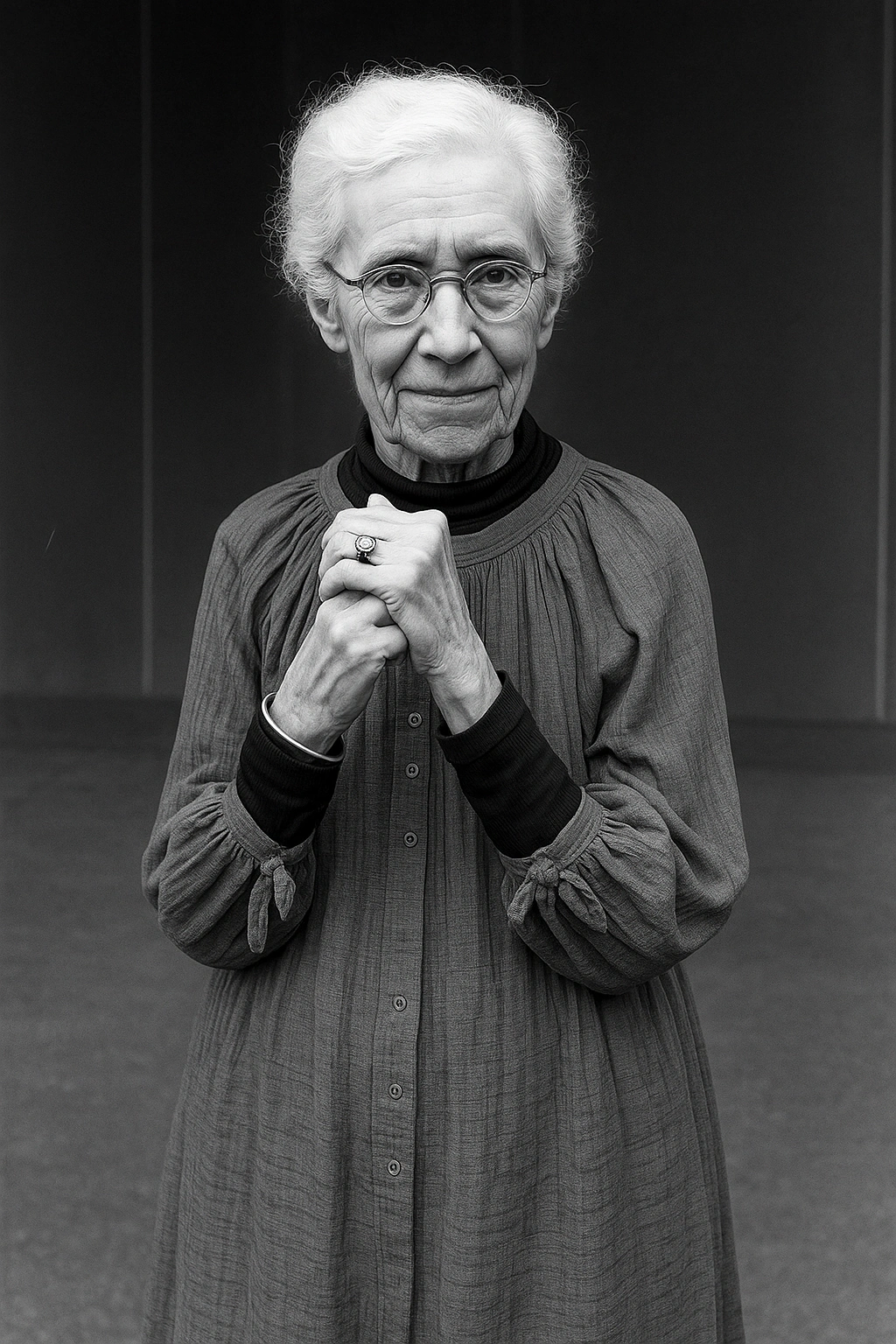
| 7 Quotes | |
| Born as | Margaret Eliza Kuhn |
| Occup. | Activist |
| From | USA |
| Born | August 3, 1905 Buffalo, New York, USA |
| Died | April 22, 1995 Philadelphia, Pennsylvania, USA |
| Aged | 89 years |
| Cite | |
Citation Formats
APA Style (7th ed.)
Maggie kuhn biography, facts and quotes. (2026, February 11). FixQuotes. https://fixquotes.com/authors/maggie-kuhn/
Chicago Style
"Maggie Kuhn biography, facts and quotes." FixQuotes. February 11, 2026. https://fixquotes.com/authors/maggie-kuhn/.
MLA Style (9th ed.)
"Maggie Kuhn biography, facts and quotes." FixQuotes, 11 Feb. 2026, https://fixquotes.com/authors/maggie-kuhn/. Accessed 12 Feb. 2026.
Early Life and Background
Margaret Eliza "Maggie" Kuhn was born on August 3, 1905, in Buffalo, New York, into a middle-class, mainline Protestant milieu that prized civic responsibility and sober self-improvement. She came of age in the long shadow of Progressive reform and the First World War, then stepped into adulthood as the Great Depression dismantled easy assumptions about security and deservedness. Those early decades left her with a lifelong suspicion of institutions that treated vulnerability as personal failure rather than a public problem to be solved.A decisive early ordeal shaped her inner life: as a teenager she contracted polio, an experience that forced her into dependency and rehabilitation at the very moment American culture was celebrating speed, youth, and industrial vigor. The illness did not romanticize suffering for her, but it taught her how quickly health and status can be withdrawn - and how social arrangements decide who is seen, who is sheltered, and who is discarded. That hard-earned empathy would later become the emotional engine of her most radical claim: that aging is not an individual tragedy but a collective test of democracy.
Education and Formative Influences
Kuhn studied at the College of Saint Elizabeth in Convent Station, New Jersey, graduating in 1927, and later pursued graduate work in sociology at Western Reserve University in Cleveland. Catholic social teaching, settlement-house ideals, and the era's emerging social-science methods combined in her mind into a practical ethic: look directly at suffering, map the structures producing it, and organize people to demand change. She entered adulthood convinced that moral exhortation was insufficient without policy - and that policy without organized pressure rarely moved.Career, Major Works, and Turning Points
In the 1930s and 1940s Kuhn worked in social planning and church-based public service, eventually building a long career at the Presbyterian Church (USA), where she helped develop programs around urban poverty, race, and social welfare. The turning point arrived in 1970 when, at 65, she was forced into mandatory retirement from the church - a bureaucratic dismissal that clarified ageism as a civil-rights issue, not a private disappointment. In 1971 she co-founded the Gray Panthers in Philadelphia, transforming older adults from a constituency framed as "needy" into a movement trained to confront power, speak publicly, and ally across generations. Under her leadership the Gray Panthers pressed against mandatory retirement, fought for Social Security and Medicare, challenged nursing-home abuses, and made intergenerational solidarity a defining tactic in an era when youth movements and elder issues were often kept separate.Philosophy, Style, and Themes
Kuhn's philosophy began with a diagnosis of unequal citizenship. She viewed ageism as a gateway prejudice - a way societies justify rationing voice, work, and dignity - and she linked it to racism, sexism, and class hierarchy. Her organizing style was plainspoken and confrontational, shaped by church committee rooms and street protest alike: she preferred meetings that produced actions, and actions that made institutions answer in public. Behind the boldness was a psychological insistence that fear is not a reason to retreat but a signal to step forward: "Stand before the people you fear and speak your mind - even if your voice shakes". The line is not merely rhetorical; it describes her own method for converting personal indignity (forced retirement) into collective leverage.She also rejected the medicalized, declining narrative of later life. "Old age is not a disease - it is strength and survivorship, triumph over all kinds of vicissitudes and disappointments, trials and illnesses". That conviction allowed her to treat elders not as patients awaiting management but as citizens with time, memory, and moral authority - resources useful for social change. Yet her optimism was not naive; it was structural. "Power should not be concentrated in the hands of so few, and powerlessness in the hands of so many". For Kuhn, the point of aging activism was not simply better services but a redistribution of decision-making - in workplaces, health systems, housing, and government - so that longevity did not translate into silence.
Legacy and Influence
Kuhn died on April 22, 1995, but her influence persists in the architecture of modern elder justice and intergenerational organizing. The Gray Panthers helped normalize the idea that compulsory retirement and age-based exclusion are political choices, not natural facts, and they modeled coalition politics that treated older adults as organizers rather than beneficiaries. In an America increasingly defined by demographic aging, her life stands as a case study in turning marginalization into movement: a woman pushed out at 65 who used that exile to widen the definition of civil rights, insisting that a long life should expand democracy rather than narrow it.Our collection contains 7 quotes written by Maggie, under the main topics: Hope - Equality - Goal Setting - Confidence - Aging.
Frequently Asked Questions
- Gray Panthers Maggie Kuhn: Founder of the Gray Panthers (1970), opposing ageism and promoting social justice.
- Maggie Kuhn pronunciation: MAG-ee KOON (Kuhn rhymes with “noon”).
- Maggie Kuhn speak your mind: She’s credited with: “Speak your mind, even if your voice shakes.”
- How old was Maggie Kuhn? She became 89 years old
Source / external links