
Malcolm Forbes Biography Quotes 33 Report mistakes
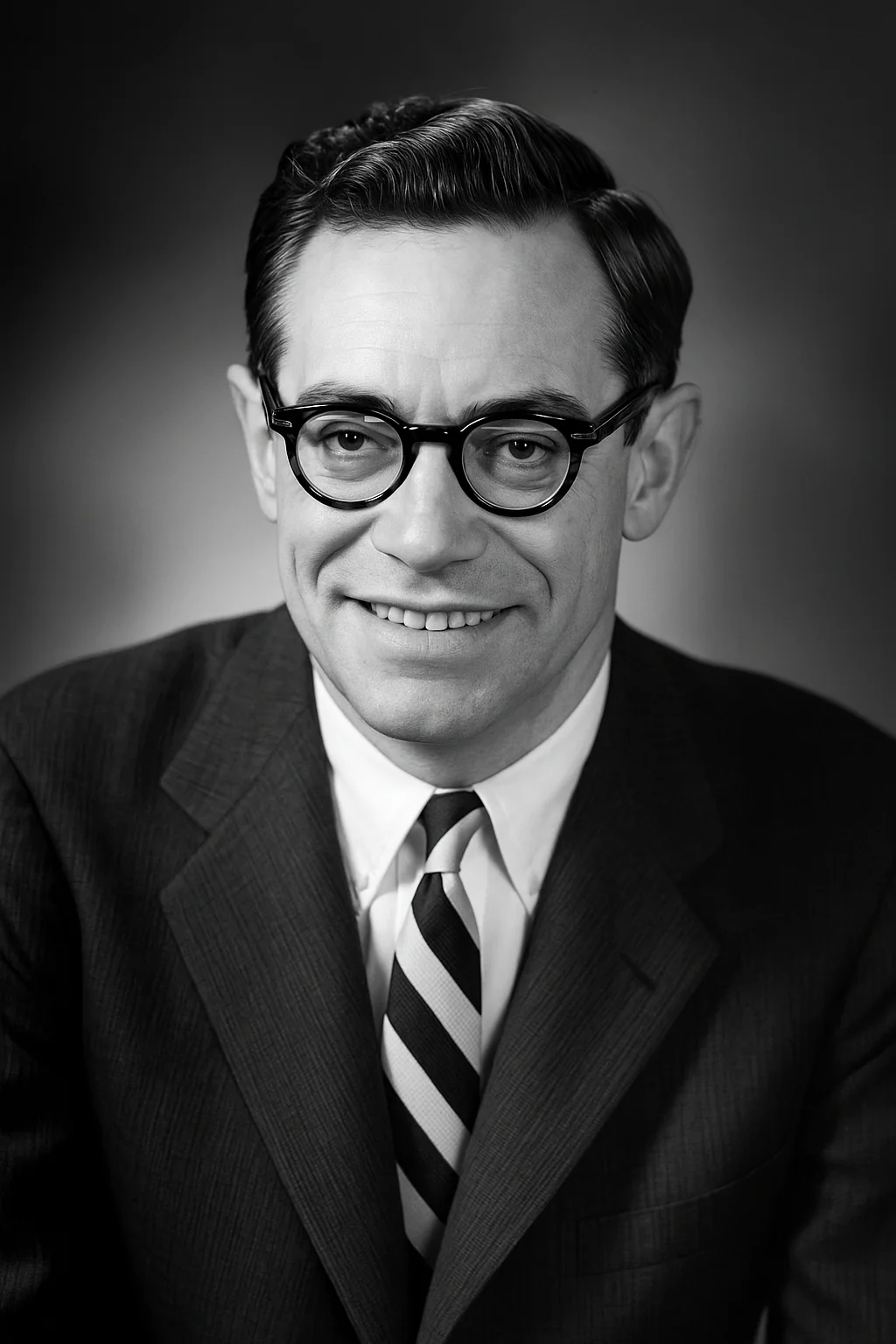
| 33 Quotes | |
| Born as | Malcolm Stevenson Forbes |
| Occup. | Publisher |
| From | USA |
| Born | August 19, 1917 Englewood, New Jersey, USA |
| Died | February 24, 1990 Far Hills, New Jersey, USA |
| Aged | 72 years |
| Cite | |
Citation Formats
APA Style (7th ed.)
Malcolm forbes biography, facts and quotes. (2026, February 11). FixQuotes. https://fixquotes.com/authors/malcolm-forbes/
Chicago Style
"Malcolm Forbes biography, facts and quotes." FixQuotes. February 11, 2026. https://fixquotes.com/authors/malcolm-forbes/.
MLA Style (9th ed.)
"Malcolm Forbes biography, facts and quotes." FixQuotes, 11 Feb. 2026, https://fixquotes.com/authors/malcolm-forbes/. Accessed 5 Mar. 2026.
Early Life and Background
Malcolm Stevenson Forbes was born on August 19, 1917, in New York City, into a family already testing the possibilities of American capitalism in print. His father, B.C. Forbes, had co-founded Forbes magazine in 1917 and built it around profiles of industrial power and managerial character. The household mixed immigrant ambition (B.C. Forbes was Scottish-born) with a distinctly American faith that business stories could teach civic lessons. Malcolm grew up watching editors, financiers, and entrepreneurs pass through his fathers orbit, absorbing early the idea that reputation is a form of currency.He came of age during the Great Depression, when the magazines celebratory tone collided with national insecurity and a newly skeptical public. Those years sharpened his appetite for momentum: he learned to treat setbacks as temporary and to regard visibility as a tool rather than a vanity. The inner life that later appeared as exuberant showmanship - planes, motorcycles, ballooning, parties - also functioned as a defense against stasis, a conviction that success must be lived loudly or it would evaporate.
Education and Formative Influences
Forbes studied at Princeton University, graduating in 1941, in an elite milieu that emphasized networks, confidence, and public leadership. Princeton polished what his upbringing began: an instinct for cultivating relationships and for turning conversation into access. Just as important, he learned the codes of establishment America at the moment it was about to be remade by war - an education in both tradition and impending disruption that later helped him present Forbes magazine as simultaneously old-school and future-facing.Career, Major Works, and Turning Points
During World War II, Forbes served in the U.S. Army, an experience that reinforced discipline and the practical art of motivating others. After the war he entered the family enterprise and rose steadily, becoming president of Forbes in 1957 and, after B.C. Forbes died in 1954, increasingly shaping its editorial personality. Under Malcolms leadership the magazine expanded its reach and sharpened its mission: to champion enterprise, track fortunes, and popularize the culture of the self-made. A major turning point came in 1982 with the creation of the Forbes 400 list, which turned private wealth into a public scoreboard and made the magazine a central narrator of the Reagan-era boom. He also became a prominent public advocate for capitalism and lower taxes, and he staged that advocacy through an unmistakable personal brand - headline-making parties, a globe-trotting social calendar, and a collectors taste for motorcycles, hot-air balloons, and Faberge eggs. By the time of his death on February 24, 1990, in Far Hills, New Jersey, he had made Forbes not only a publication but a lifestyle signal.Philosophy, Style, and Themes
Forbes projected an ethic of upbeat exertion: work as contest, money as measurement, and publicity as an accelerant. He was frank about friction and treated stress as proof of reality, a sentiment captured in the line, “If you have a job without any aggravations, you don't have a job”. Psychologically, the aphorism reads less like complaint than like reassurance - a way of converting anxiety into validation, and of portraying relentless pressure as the natural climate of achievement.His publishing style mirrored that temperament: brisk, personality-driven, and confident in rankings, lists, and profiles as moral instruments. Yet beneath the glamour was a social theory about belonging and recognition - “Everybody has to be somebody to somebody to be anybody”. It hints at why he invested so heavily in convening people, in making the magazine a gateway to rooms where deals and identities were confirmed. At the same time, he argued that learning was not mere credentialing but an attitude - “The purpose of education is to replace an empty mind with an open one”. - a credo that aligned with his interest in entrepreneurs who learned by doing, failed in public, and adapted quickly. The inner logic was consistent: openness fed opportunity; opportunity demanded stamina; stamina required a story you could tell about yourself.
Legacy and Influence
Forbes left a durable imprint on modern business media by turning wealth and ambition into widely consumed narrative, and by treating metrics as entertainment without abandoning editorial authority. The Forbes 400 and the magazines later expansions helped normalize the idea that private fortunes are public facts, legible and comparable, a shift that influenced everything from later rich lists to the broader celebrity culture around founders and investors. His son, Steve Forbes, inherited both the institution and its ideological posture, while Malcolms own era-defining blend of editorial advocacy, spectacle, and networking remains a blueprint for how publishers can become brands - and how a magazine can function as both scorekeeper and stage.Our collection contains 33 quotes written by Malcolm, under the main topics: Witty One-Liners - Motivational - Wisdom - Justice - Friendship.
Frequently Asked Questions
- Malcolm Forbes Jr: Steve Forbes (Malcolm S. Forbes Jr.), his son and leader at Forbes Media.
- Malcolm Forbes died: February 24, 1990, of a heart attack in Far Hills, New Jersey.
- Malcolm Forbes Elizabeth Taylor: They were friends; she attended his 70th birthday party in Morocco in 1989.
- Malcolm Forbes grandchildren: He had several grandchildren, including Moira Forbes.
- What is Malcolm Forbes net worth? Estimated around $400 million at the time of his death (1990).
- Steve Forbes: His son, Steve (Malcolm S. Forbes Jr.), longtime Forbes chairman and former U.S. presidential candidate.
- How old was Malcolm Forbes? He became 72 years old
Source / external links