
Marc Forne Molne Biography Quotes 6 Report mistakes
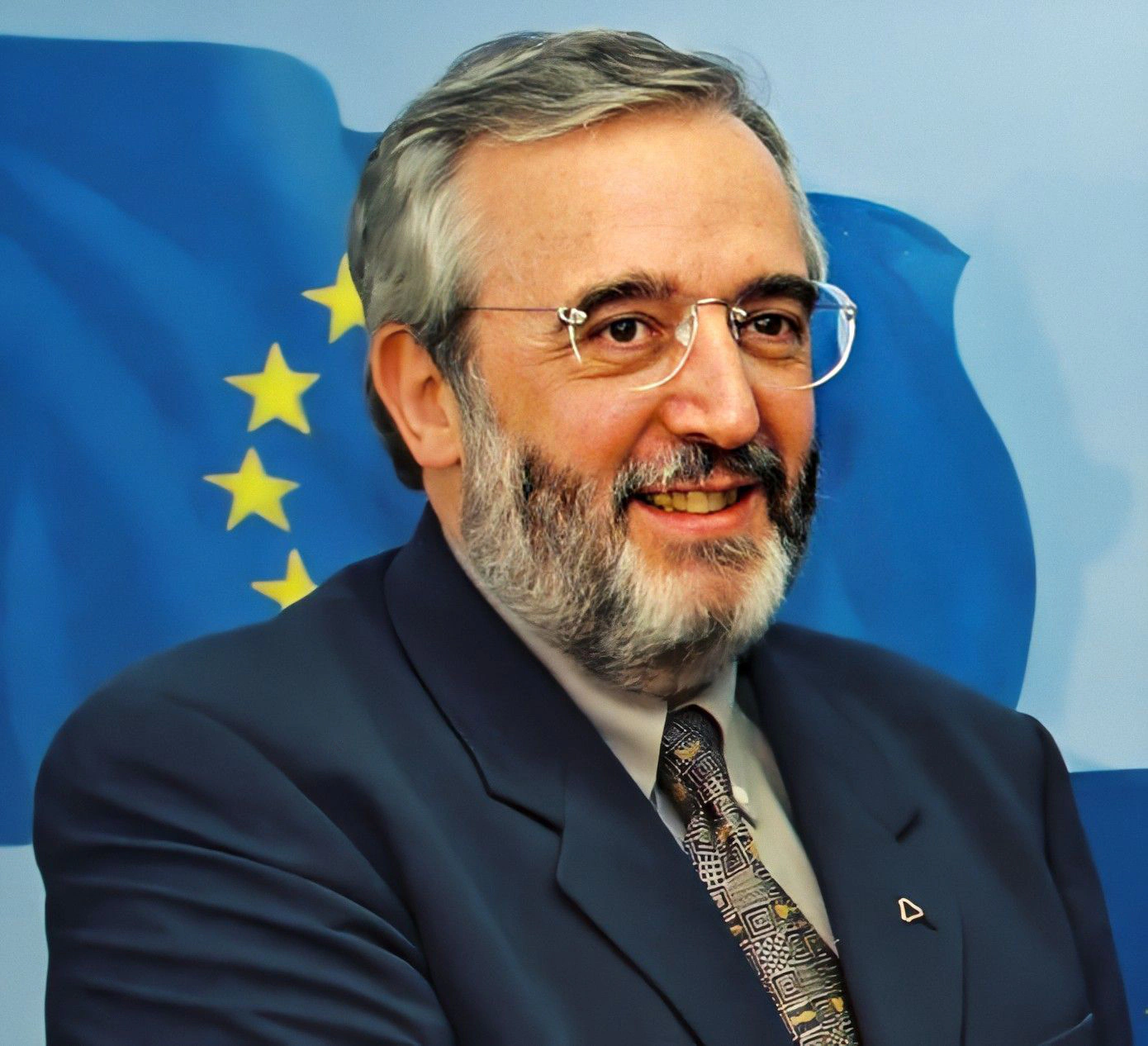
Attr: Etienne Scholasse/EC, Attribution
| 6 Quotes | |
| Occup. | Politician |
| From | Andorra |
| Born | December 30, 1946 |
| Age | 79 years |
| Cite | |
Citation Formats
APA Style (7th ed.)
Marc forne molne biography, facts and quotes. (2026, February 22). FixQuotes. https://fixquotes.com/authors/marc-forne-molne/
Chicago Style
"Marc Forne Molne biography, facts and quotes." FixQuotes. February 22, 2026. https://fixquotes.com/authors/marc-forne-molne/.
MLA Style (9th ed.)
"Marc Forne Molne biography, facts and quotes." FixQuotes, 22 Feb. 2026, https://fixquotes.com/authors/marc-forne-molne/. Accessed 5 Mar. 2026.
Early Life and Background
Marc Forne Molne was born on December 30, 1946, in Andorra, a tiny Pyrenean principality whose politics were long shaped by scarcity, emigration, and the peculiar balance of its co-princes (the Bishop of Urgell and the head of state of France). He came of age in a society where kinship networks and parish life mattered as much as formal institutions, and where modernization arrived unevenly - through roads, tourism, and finance - while older communal habits endured.That tension between rootedness and acceleration marked his inner orientation. Forne belonged to the generation that watched Andorra shift from subsistence rhythms to a service economy tied to neighboring France and Spain. In such a place, public life could never be abstract: every policy reverberated through a small population, and reputation functioned like a civic currency. Forne developed a reputation for methodical pragmatism - the kind of temperament suited to incremental reform in a country that prized stability yet faced mounting international scrutiny.
Education and Formative Influences
Details of his formal education are less consistently documented in public summaries than his later institutional roles, but his formative influences were unmistakably those of a bilingual, borderland polity: Catalan civic culture, French administrative example, and Spanish political currents as the Iberian Peninsula moved from dictatorship toward democratic normalization. Forne matured politically during the late Cold War era, when microstates were compelled to professionalize governance, align with European norms, and articulate sovereignty without the traditional tools of large states.Career, Major Works, and Turning Points
Forne rose through Andorran public life in the period when the principality undertook its most consequential constitutional transformation. He became head of government (Cap de Govern) in the mid-1990s, leading in the wake of the 1993 Constitution that modernized Andorra into a parliamentary democracy and clarified the separation of powers. His tenure focused on consolidating institutions, strengthening administrative capacity, and navigating external pressures related to transparency and the regulation of an economy long buoyed by tourism, trade, and finance. A central turning point of his era was Andorra's need to reconcile traditional autonomy with a Europe increasingly intolerant of gray zones in taxation and banking - forcing governments like Forne's to translate local consensus politics into internationally legible commitments.Philosophy, Style, and Themes
Forne's political psychology reads as a blend of liberal modernizer and communitarian steward. He spoke in the language of principles, but with the caution of a leader who knew that, in a small country, rhetoric is tested immediately by neighbors and family ties. When he argued that “A country's strategy is always based on a fundamental philosophical outlook”. , he was not indulging in theory for its own sake; he was justifying a disciplined approach to state-building where Andorra had to decide what kind of polity it wanted to be - reactive and exceptional, or rule-bound and predictable.His liberalism was pragmatic rather than doctrinaire, rooted in the belief that prosperity must be engineered through institutions and incentives. “Discoveries made during the last hundred years have shown that liberalism is the best system to improve a country's well being”. That sentence captures the emotional logic beneath his program: confidence in reform as a cumulative science, and faith that openness and competition could protect a small state from stagnation. Yet his liberal frame was tempered by an ethical insistence that modernization must serve people, not merely balance sheets - “We must guarantee the quality of the existence of the men and women of tomorrow”. The recurring theme is time: a leader thinking beyond the electoral cycle, aware that small states can win or lose decades through a handful of legislative choices.
Legacy and Influence
Forne's enduring influence lies less in a single signature law than in helping normalize constitutional government during a sensitive consolidation phase. He represented a style of Andorran leadership that translated local consensus into modern state practice - aligning the principality with broader European expectations while defending its distinct identity. In biographies of Andorra's late-20th-century transformation, his name anchors the period when the country learned to speak the language of contemporary governance: strategic, liberal in outlook, and increasingly accountable to both citizens at home and partners abroad.Our collection contains 6 quotes written by Marc, under the main topics: Freedom - New Beginnings - Peace - Human Rights - Vision & Strategy.
Source / external links