
Marcel Achard Biography Quotes 5 Report mistakes
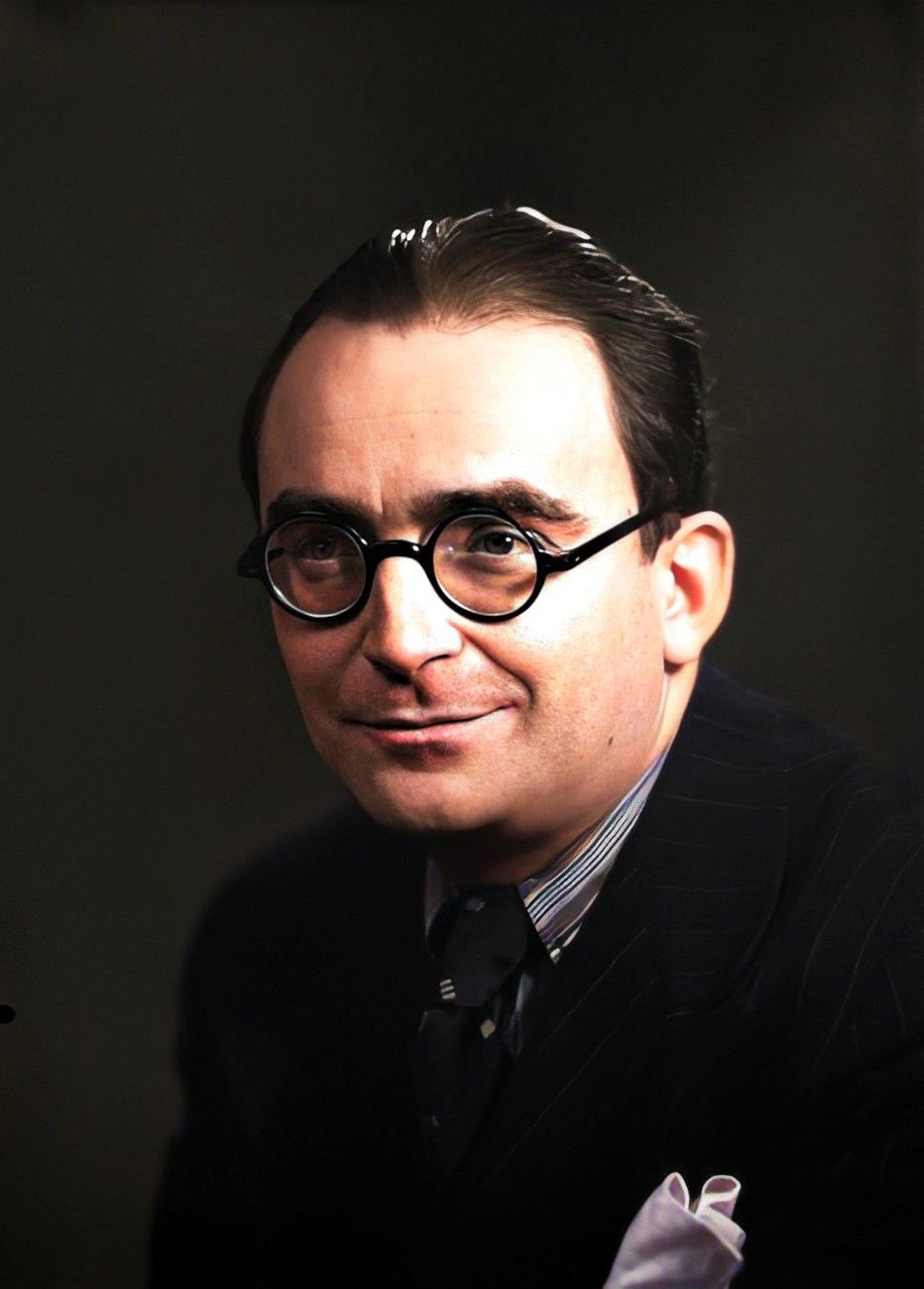
Attr: Studio Harcourt, Public domain
| 5 Quotes | |
| Born as | Marcel-Auguste Ferréol |
| Occup. | Playwright |
| From | France |
| Born | July 5, 1899 Sainte-Foy-lès-Lyon, France |
| Died | September 4, 1974 Paris, France |
| Cause | Diabetes |
| Aged | 75 years |
| Cite | |
Citation Formats
APA Style (7th ed.)
Marcel achard biography, facts and quotes. (2026, February 11). FixQuotes. https://fixquotes.com/authors/marcel-achard/
Chicago Style
"Marcel Achard biography, facts and quotes." FixQuotes. February 11, 2026. https://fixquotes.com/authors/marcel-achard/.
MLA Style (9th ed.)
"Marcel Achard biography, facts and quotes." FixQuotes, 11 Feb. 2026, https://fixquotes.com/authors/marcel-achard/. Accessed 26 Mar. 2026.
Early Life and Background
Marcel Achard was born Marcel-Auguste Ferreol on July 5, 1899, in Sainte-Foy-les-Lyon, on the industrial edge of Lyon where Catholic propriety and working-class realism lived side by side. His childhood unfolded in the uneasy calm of the Third Republic before the First World War, a period that taught ambitious provincial boys to look to Paris while also suspecting its glamour. The young Ferreol absorbed the rhythms of shopkeepers, clerks, and family parlors - settings that later became Achard's favored laboratories for desire, concealment, and social comedy.War arrived as the great accelerant. Like many of his generation, he came of age under the shadow of mobilization and loss, learning early how quickly romance could be interrupted by duty and how public language could become a mask for private fear. That combination - tenderness threatened by circumstance - became a lifelong emotional engine. When he later wrote about lovers who misread one another by a fraction, he was drawing on an era that trained people to speak in codes.
Education and Formative Influences
He began as a schoolteacher, a practical post that sharpened his ear for how people actually talk - evasions, repetitions, small bravados - and how comedy often grows from the gap between what is said and what is meant. The theater of boulevard Paris, the lingering prestige of poetic drama, and the new twentieth-century taste for speed and sparkle all pressed on him at once; he learned from the stagecraft of Feydeau and the emotional wit of contemporary comedies without surrendering to mere farce. Moving toward Paris and journalism, he adopted the pen name Marcel Achard and trained himself to write for deadlines and audiences - a discipline that later made his plays feel effortless even when their craft was severe.Career, Major Works, and Turning Points
Achard broke through in the interwar years, when Paris wanted elegance after trauma and the stage became a place to rehearse modern intimacy. Jean de la Lune (1929) made him a star with its blend of melancholy and laughter, a signature tone he refined in plays such as Domino and Patate, balancing sentimental vulnerability with a knowing shrug. He also wrote for cinema, including dialogues that culminated in the Academy Award-winning screenplay for George Cukor's Gigi (1958), bringing his French lightness to an international audience. Across the decades he remained a fixture of mainstream French theater, later entering the Academie francaise - proof that the boulevard, in his hands, could be both popular entertainment and a respectable art of observation.Philosophy, Style, and Themes
Achard's world is built from bedrooms, drawing rooms, and corridors - places where people perform versions of themselves, hoping the performance will be mistaken for truth. His comedy is rarely cruel; it is diagnostic. He understood that erotic life and social life run on timing, misrecognition, and the fear of being ridiculous, which is why his marital jokes often feel like parables. “It's risky in a marriage for a man to come home too late, but it can sometimes pose an even greater risk if he comes home too early”. The laugh is an admission that love is not only passion but also choreography, and that the smallest change in tempo can unmake a household.Under the polish lies a shrewd self-portrait of the professional writer: a man dependent on applause yet wary of what applause costs. “The career of a writer is comparable to that of a woman of easy virtue. You write first for pleasure, later for the pleasure of others and finally for money”. That candor helps explain his lifelong preference for accessible forms - the well-made play, the bright line, the swift scene change - not because he lacked depth, but because he distrusted solemnity as another kind of disguise. Even his aphoristic view of gender - “Women like silent men. They think they're listening”. - is less a boast than a recognition of how badly people want to believe they are heard, and how often they settle for a convincing illusion.
Legacy and Influence
Achard died on September 4, 1974, after a career that bridged the theatrical cultures of the 1920s and the media-saturated postwar decades. His influence endures in the French tradition of romantic comedy that is intelligent without being academic and sentimental without being naive: a theater where language is both seduction and self-defense. Directors and actors continue to return to him for roles that require elegance, timing, and the ability to let pain flicker beneath a smile. If later innovators pushed drama toward harsher truths, Achard remains a master of the softer revelation - the moment when a joke lands, and the audience recognizes its own compromises in the laughter.Our collection contains 5 quotes written by Marcel, under the main topics: Witty One-Liners - Wisdom - Writing - Husband & Wife.
Marcel Achard Famous Works
- 1957 Patate (Play)
- 1923 Voulez-vous jouer avec moâ? (Play)
Source / external links