
Marcus Aurelius Biography Quotes 69 Report mistakes
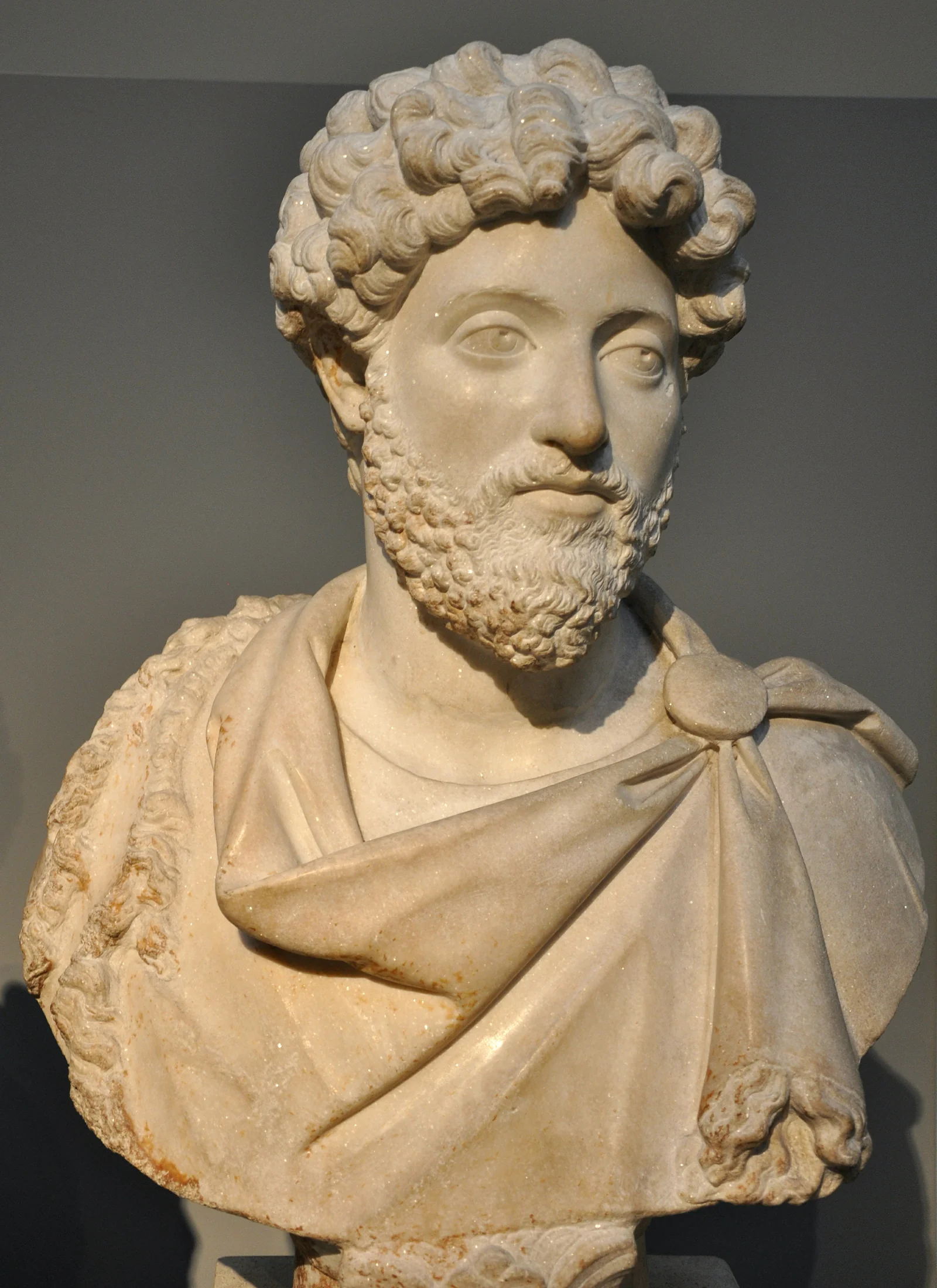
| 69 Quotes | |
| Occup. | Soldier |
| From | Rome |
| Born | April 26, 121 |
| Died | March 17, 180 |
| Aged | 58 years |
| Cite | |
Citation Formats
APA Style (7th ed.)
Marcus aurelius biography, facts and quotes. (2026, February 2). FixQuotes. https://fixquotes.com/authors/marcus-aurelius/
Chicago Style
"Marcus Aurelius biography, facts and quotes." FixQuotes. February 2, 2026. https://fixquotes.com/authors/marcus-aurelius/.
MLA Style (9th ed.)
"Marcus Aurelius biography, facts and quotes." FixQuotes, 2 Feb. 2026, https://fixquotes.com/authors/marcus-aurelius/. Accessed 27 Mar. 2026.
Early Life and Background
Marcus Aurelius Antoninus was born in Rome on 121-04-26, into the web of senatorial families that supplied the empire with administrators and patrons. His father, Marcus Annius Verus, died when Marcus was young; his upbringing fell to his mother, Domitia Lucilla, and powerful relatives in the Annii and Domitii circles. The household mixed wealth - Lucilla owned brickworks that fed Rome's building appetite - with a tone of old Roman seriousness that prized duty over display.Hadrian's court, restless for a stable succession, noticed the quiet, watchful boy early. In 138, when Hadrian adopted Antoninus Pius, the arrangement required Antoninus to adopt Marcus and Lucius Verus in turn, binding Marcus to a future he had not sought but could not refuse. From that moment, his private life was lived inside public expectation: a young aristocrat trained to be an emperor, and, eventually, a soldier-emperor, at a time when the frontier would press hard against Rome's confidence.
Education and Formative Influences
Marcus received an elite education in rhetoric and philosophy, but his deepest formation came from the moral tutors he later thanked in the opening of his Meditations. He studied with figures such as the Stoic Junius Rusticus, who directed him toward Epictetus, and he absorbed the discipline of self-scrutiny, the practice of writing reminders to himself, and the suspicion that eloquence without character was a trap. The intellectual atmosphere of the Antonine age - prosperous, cosmopolitan, and convinced that reason could govern power - shaped his ambition into something like reluctance: he aimed not at glory but at steadiness under strain.Career, Major Works, and Turning Points
Marcus entered public life early, was made Caesar in 139, and married Faustina the Younger in 145, a union that produced many children, including Commodus. When Antoninus Pius died in 161, Marcus became emperor and insisted on sharing power with Lucius Verus, an unusual act of collegiality that also acknowledged the empire's growing military needs. War quickly defined the reign: the Parthian conflict (161-166) ended in Roman success but brought the Antonine Plague back through the armies, hollowing the population and finances; then the Marcomannic Wars (from 166) dragged Marcus to the Danube for years, where he managed logistics, command, and diplomacy amid repeated incursions. The great turning point was his sustained life in camps and headquarters, far from Rome's ceremonial ease, where his personal notebook - later known as the Meditations - took shape in Greek as a private tool for governing his mind while governing an empire. He died on 180-03-17 at or near Vindobona (Vienna) during the northern campaigns, leaving Commodus as heir and exposing the fragility that his own discipline had long tried to mask.Philosophy, Style, and Themes
Marcus is often remembered as the philosopher-king, but his philosophy reads less like a system than like self-command under duress: short, hammered sentences meant to stop panic, vanity, and resentment before they ripen into action. He returned obsessively to the inner citadel - the idea that the only reliable sovereignty is over one's judgments. “To live happily is an inward power of the soul”. In an age when emperors could be worshiped and feared, he tried to relocate authority from applause to conscience, as if reminding himself that the crowd's mood is merely weather.The Meditations also reveal a psychology of vigilance: the fear of being carried away by the role, by anger at incompetence, or by the numbness of endless campaigning. He treats thought as fate, the dye that stains character: “The soul becomes dyed with the color of its thoughts”. Against the seduction of conformity - whether court flattery or mob certainty - he places sanity in independent reason: “The object of life is not to be on the side of the majority, but to escape finding oneself in the ranks of the insane”. His style is deliberately unliterary: repetition, lists, and stark imperatives, because the point is not to impress but to rehearse, like a soldier drilling virtues until they become reflex.
Legacy and Influence
Marcus Aurelius left no grand literary oeuvre intended for publication, yet his private workbook became one of the West's most enduring manuals of ethical endurance, influencing Christian moralists, Renaissance humanists, Enlightenment rationalists, and modern readers seeking steadiness amid noise. Statues and the equestrian monument on the Capitoline preserve the public image, but the lasting power lies in the contrast between might and restraint: an emperor who spent years organizing river crossings, resettling tribes, and paying for armies, while writing to himself about humility, impermanence, and the duty to meet each hour without self-pity. His reign marked the end of the long Antonine balance; his book, written in tents and frozen headquarters, outlived the politics that made it necessary, turning a soldier's hardship into a portable inner discipline for later ages.Our collection contains 69 quotes written by Marcus, under the main topics: Motivational - Ethics & Morality - Truth - Wisdom - Mortality.
Other people related to Marcus: Citium Zeno (Philosopher), Jeremy Collier (Clergyman)
Source / external links