
Marcus Terentius Varro Biography Quotes 6 Report mistakes
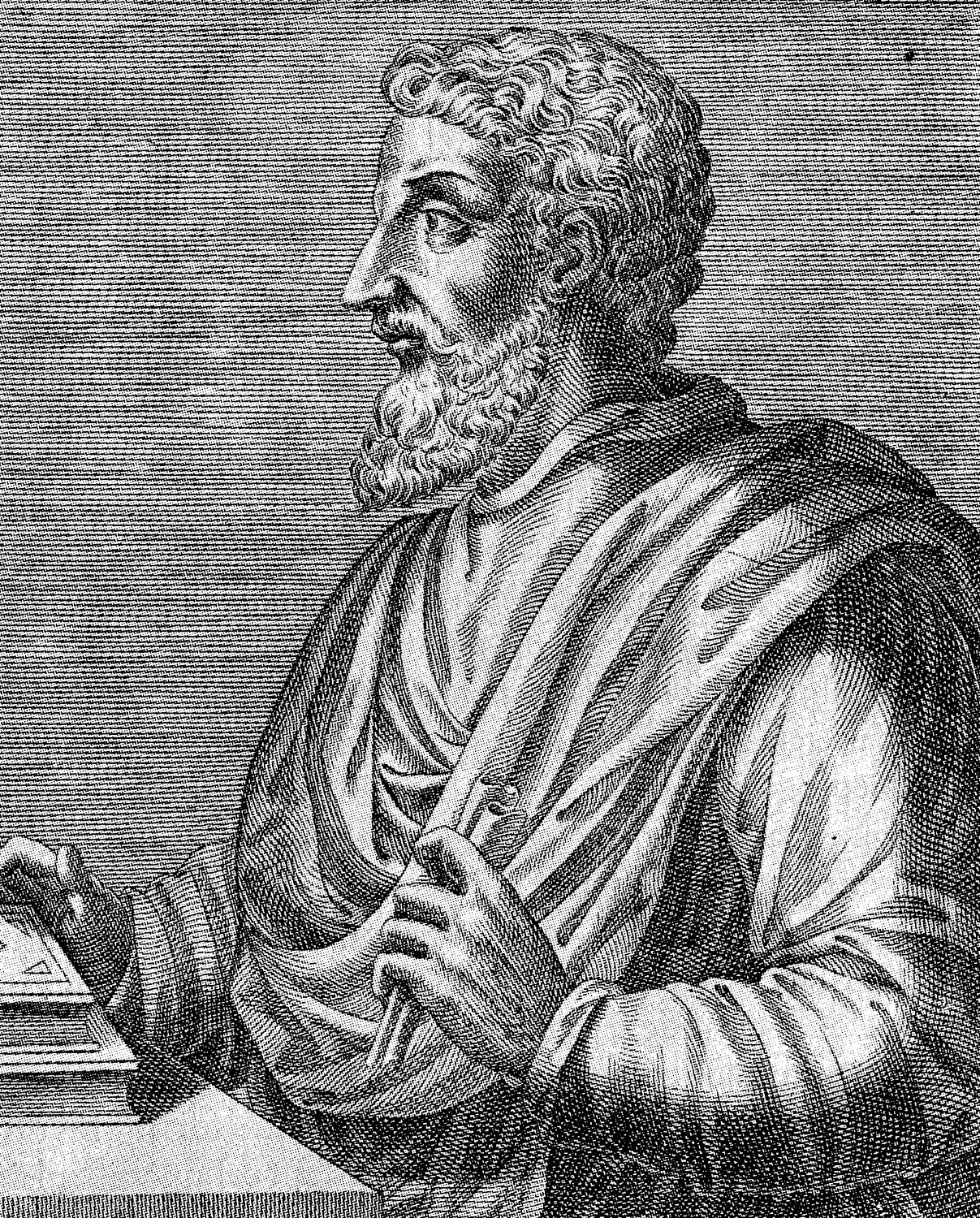
| 6 Quotes | |
| Occup. | Author |
| From | Rome |
| Born | 116 BC Rome |
| Died | 27 BC Rome |
| Cite | |
Citation Formats
APA Style (7th ed.)
Marcus terentius varro biography, facts and quotes. (2026, February 11). FixQuotes. https://fixquotes.com/authors/marcus-terentius-varro/
Chicago Style
"Marcus Terentius Varro biography, facts and quotes." FixQuotes. February 11, 2026. https://fixquotes.com/authors/marcus-terentius-varro/.
MLA Style (9th ed.)
"Marcus Terentius Varro biography, facts and quotes." FixQuotes, 11 Feb. 2026, https://fixquotes.com/authors/marcus-terentius-varro/. Accessed 25 Mar. 2026.
Early Life and Background
Marcus Terentius Varro was born in 116 BCE in Reate in the Sabine country northeast of Rome, a region of mixed hill farming, pasture, and old Italic religious custom. That borderland sensibility - practical, agrarian, and wary of urban fashion - never left him. He grew up as Rome lurched from republic of citizen-farmers toward an imperial metropolis fueled by conquest, slaves, and speculative wealth, and he learned early that power could change hands by rhetoric in the Forum as much as by legions in the field.Varro entered public life during the generation after Sulla, when the wounds of proscriptions and civil war still shaped careers and consciences. He moved among the leading men of the late Republic and watched ideals of mos maiorum become tools in factional struggle. The result was a temperament both conservative and analytic: he revered old institutions, yet he also treated them as objects to be cataloged, explained, and, if necessary, corrected - as though the Republic might be saved by understanding its language, rites, and economy in full.
Education and Formative Influences
He received a traditional elite education in Rome, then studied in Athens, where he encountered Hellenistic philosophy and the scholarly culture of libraries and grammatical science; ancient testimony associates him especially with Antiochus of Ascalon and the late Academic synthesis that tried to reconcile Plato with Stoic and Peripatetic method. That training sharpened his lifelong habit of exhaustive collection and classification: to know a thing was to map its names, origins, uses, and limits, and to treat Roman tradition with the same learned seriousness that Greeks had long granted to Homer.Career, Major Works, and Turning Points
Varro combined soldiering, administration, and letters. He served in public offices and commanded forces, and in the civil war aligned with Pompey; after defeat he was spared by Julius Caesar, who even appointed him to oversee plans for a public library - a striking sign of Varro's reputation as Rome's supreme scholar. The next upheaval was harsher: during the Second Triumvirate he was proscribed and narrowly escaped, living in concealment while his property and books were seized. In old age he returned to writing, producing works that made him, for later antiquity, the most learned of Romans: the encyclopedic Antiquitates rerum divinarum et humanarum on Roman institutions and religion; De lingua Latina, the most substantial ancient study of Latin etymology and grammar to survive; Saturae Menippeae, a sprawling series of learned, comic-philosophical sketches; and De re rustica, a late treatise on farming that fused economics, ethics, and nostalgia for an agrarian Republic.Philosophy, Style, and Themes
Varro's inner life is visible in the tension between encyclopedic control and the late-Republican experience of collapse. He wrote like a man trying to stabilize a world by naming it: tracing words back to roots, rites back to origins, customs back to first reasons. Yet his Menippean satires reveal a sharper, more anxious intelligence, using parody and abrupt shifts of register to expose how quickly public virtue becomes performance. Even his learning carries a defensive edge - an attempt to build an archive against forgetting, as though political ruin could be resisted by cultural memory.His central theme is the moral ecology of place: the field as a school of limits, the city as a machine of appetite and artifice. He distilled that vision into a maxim that doubles as an anthropology of Rome's rise: “Nature made the fields and man the cities”. The sentence is less pastoral than diagnostic - a claim that civilization is a human construction requiring constant discipline. His social ethics, too, lean toward measure and reciprocity: “What is sauce for the goose is sauce for the gander”. In Varro it is not folksy fairness but a rule against special pleading, the vice that destroys republics when law becomes partisan. And in old age he let a rare personal note break through the scholar's mask: “For my eightieth year warns me to pack up my baggage before I leave life”. The line frames death not as tragedy but as an inventory - consistent with a mind that faced transience by ordering experience, closing accounts, and leaving instructions for those still inside the storm.
Legacy and Influence
Although much of Varro's vast output is lost, his influence is everywhere in the Roman and medieval habit of learning by compilation. Cicero praised his erudition; Augustine mined the Antiquitates for pagan theology; later grammarians and antiquarians treated him as a fountainhead. De lingua Latina shaped the study of Latin well beyond antiquity, while De re rustica became a key witness to Roman agricultural practice and the ideology of the land. More broadly, Varro stands as the late Republic's great curator - a man who saw his world breaking and responded not with a single system but with a library: language, religion, history, farming, satire - the whole texture of Roman life rendered into knowledge so it could endure when institutions did not.Our collection contains 6 quotes written by Marcus, under the main topics: Wisdom - Mortality - Nature - Latin Phrases.
Marcus Terentius Varro Famous Works
- -37 Rerum Rusticarum Libri Tres (Book)
- -45 De Lingua Latina (Book)
Source / external links