
Marcus Terentius Varro Biography Quotes 6 Report mistakes
Overview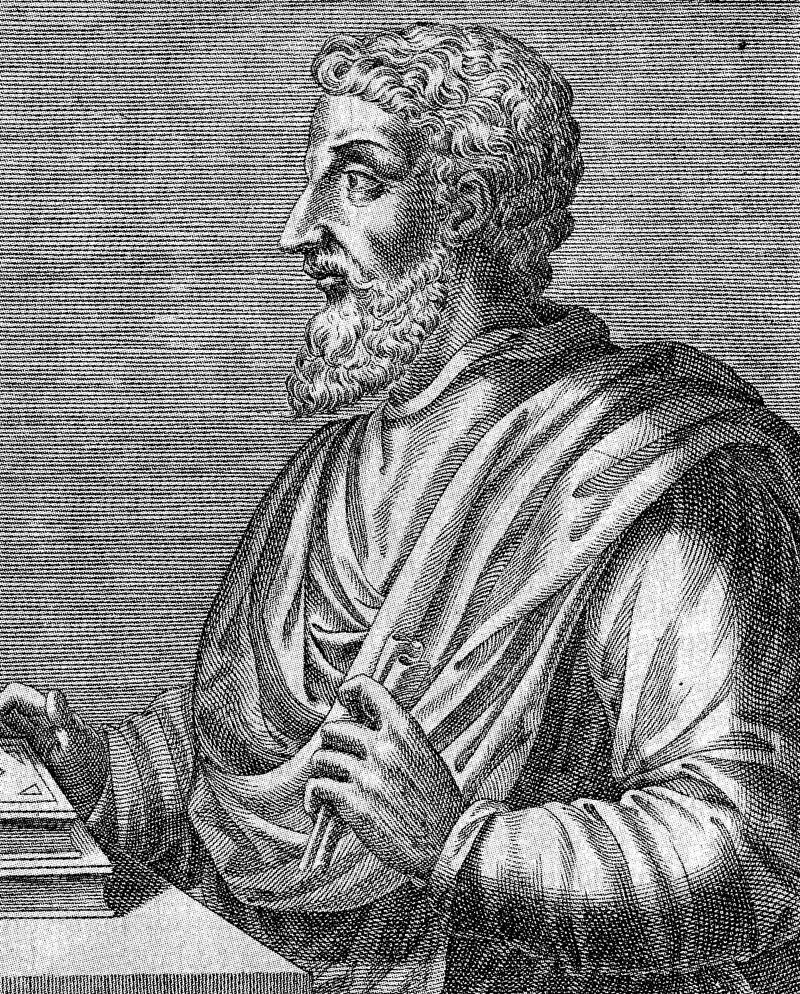
Marcus Terentius Varro (116 to 27 BCE), often called Varro Reatinus, was the most learned Roman of his age: an erudite scholar, antiquarian, soldier, and prolific author. Although closely associated with Rome and its intellectual life, he was born at Reate in the Sabine country and spent his long career moving between public service and wide-ranging study. His surviving works on language and agriculture, together with fragments and testimonies to his lost books, shaped how later generations understood Roman religion, history, education, and daily practice.
Early Life and Education
Born into the equestrian order at Reate, Varro received a rigorous education in rhetoric and philology. He studied under Lucius Aelius Stilo, the pioneering Roman grammarian who also taught Cicero. Stilo's exacting methods in linguistic analysis and textual criticism left a permanent mark on Varro, who would become Rome's great systematizer of knowledge. Early on, Varro cultivated friendships with leading intellectuals and statesmen, including Cicero, whose esteem for Varro's learning is evident in their correspondence and in philosophical works addressed to him.
Public Life and the Civil Wars
Varro's learning did not keep him out of politics or military duty. In the turbulent decades of the late Republic he attached himself to Pompey, serving under him and later commanding in Spain. The outbreak of civil war in 49 BCE forced decisive choices; in Hispania Varro ultimately capitulated to Julius Caesar, who spared him and treated him with conspicuous clemency. Caesar valued Varro's learning and entrusted him with work connected to the organization of public libraries at Rome, part of a broader cultural program that did not fully materialize before Caesar's death.
After the Ides of March, the Republic descended into new violence. During the proscriptions of the Second Triumvirate led by Mark Antony, Octavian (the future Augustus), and Lepidus, Varro was listed among those whose property could be seized. He escaped with his life, but lost estates; Cicero famously denounced Antony for his occupation of Varro's villa at Casinum. The scholar who had helped preserve Rome's past now became a casualty of its present, and he withdrew from public affairs.
Scholarship and Major Works
Varro's output was extraordinary in scope. Only a fraction survives, but ancient authors repeatedly attest to the breadth of his writings.
- De lingua Latina: In this large, multi-book treatise on Latin language and etymology, partially preserved (notably books 5, 10), Varro analyzed the origins and usage of words, the relationship between grammar and meaning, and the historical development of Latin. He addressed parts of the work to Cicero, merging philology with antiquarian inquiry to show how language encodes Rome's institutions and rituals.
- Rerum rusticarum libri III (De re rustica): Written in his old age after the civil wars, this practical and learned dialogue in three books surveys agriculture, animal husbandry, farm management, and rural economy. Varro draws on the expertise of experienced farmers such as Gnaeus Tremellius Scrofa. He ranges from farm buildings and labor to fishponds, aviaries, and beekeeping, and famously warns against minute creatures in marshlands that can cause disease, a striking anticipation of later hygienic concerns.
- Antiquitates rerum humanarum et divinarum: Now lost, this vast inquiry into Roman religion and institutions profoundly influenced later writers. Augustine mined it extensively, crediting Varro with a systematic account of Roman cult, priesthoods, and myths, and with distinguishing civil, natural, and mythical theology. Through Augustine's testimony we glimpse the scale of Varro's project: to catalogue the practices and beliefs that sustained Rome's civic life.
- Hebdomades (Imagines): A biographical gallery in numerous books that paired portraits with epigrams and brief lives, assembling a cultural pantheon of Greek and Roman figures. Although the work is lost, citations preserve its concept and some wording.
- Saturae Menippeae: Varro adapted the Cynic-inflected, mixed-prose-and-verse satire of Menippus into Latin, producing a large corpus whose titles and fragments survive in later anthologies. These satires combined learning with sharp moral observation and became a model for later Roman satire.
- Disciplinarum libri: A survey of the liberal studies that later traditions associated with the arts of grammar, rhetoric, and more, giving Roman education an encyclopedic backbone that subsequent authors repeatedly acknowledged.
Many additional historical and antiquarian works, such as studies on the Roman people's origins and customs, are known by title and excerpt. Even where direct text is gone, Varro's method is clear: to collect, compare, etymologize, and arrange the materials of Roman memory.
Circle, Patrons, and Correspondents
Varro's life intersected with the leading figures of his time. Pompey relied on him in military contexts; Julius Caesar, after victory, harnessed his learning for public cultural projects. Cicero praised him as a restorer of Roman knowledge and dedicated philosophical work to him. In the bitter aftermath of Caesar's assassination, Mark Antony's seizure of Varro's villa became a symbol for the violation of Rome's cultivated elite; Octavian's rise and consolidation of power formed the political horizon of Varro's final years. Asinius Pollio, another Caesarian and patron of letters, later founded a public library at Rome, an initiative that echoed Caesar's earlier plans in which Varro had a hand.
Later Years and Death
Dispossessed but not silenced, Varro turned his energies to writing. The late composition of De re rustica presents an elder scholar distilling decades of observation and reading into advice for an Italy still recovering from confiscations and colony plantings. He lived on into the Augustan era, dying around 27 BCE. His long life spanned the last flourishing of the Republic and the birth of the Principate.
Reception and Legacy
Antiquity esteemed Varro as the most learned of Romans. Pliny the Elder drew on him repeatedly for natural, agricultural, and antiquarian lore; Aulus Gellius, Servius, and later grammarians treated him as an authority on language and custom. Augustine's City of God preserved substantial notices of Varro's theology and antiquities, ensuring that even lost books continued to inform debates about religion and civic tradition. Agricultural writers such as Columella engaged with his practical wisdom, while the Menippean current he introduced in Latin left traces in later satire.
Varro's name was sometimes confused with that of Publius Terentius Varro Atacinus, a contemporary poet; yet their careers were different, and the scholarly reputation attached uniquely to Marcus Terentius Varro. From his Sabine birthplace to the libraries and villas of Rome, he gathered the fragments of Rome's past and arranged them for posterity. Though the civil wars cost him property and peace, they did not unmake his intellectual achievement. The surviving pages of his linguistic and agricultural treatises, together with the afterlife of his lost works in later authors, keep alive the image of a Roman who believed that a city could be preserved not only by arms and laws, but by memory, language, and disciplined study.
Our collection contains 6 quotes who is written by Marcus, under the main topics: Wisdom - Nature - Mortality - Latin Phrases.
Marcus Terentius Varro Famous Works
- -37 Rerum Rusticarum Libri Tres (Book)
- -45 De Lingua Latina (Book)
Source / external links