
Margaret Haddix Biography Quotes 15 Report mistakes
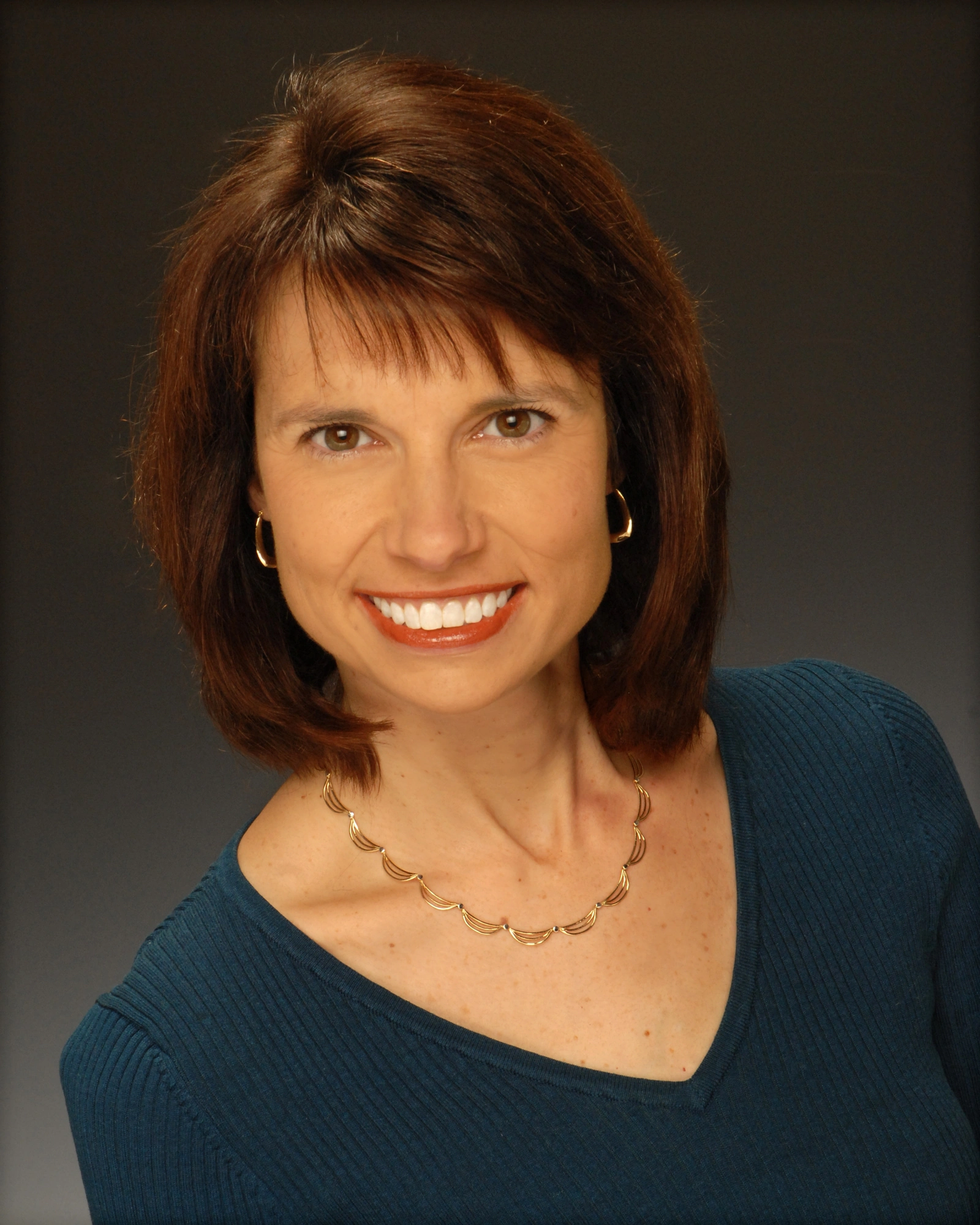
| 15 Quotes | |
| Occup. | Author |
| From | USA |
| Born | April 9, 1964 |
| Age | 61 years |
| Cite | |
Citation Formats
APA Style (7th ed.)
Margaret haddix biography, facts and quotes. (2026, February 11). FixQuotes. https://fixquotes.com/authors/margaret-haddix/
Chicago Style
"Margaret Haddix biography, facts and quotes." FixQuotes. February 11, 2026. https://fixquotes.com/authors/margaret-haddix/.
MLA Style (9th ed.)
"Margaret Haddix biography, facts and quotes." FixQuotes, 11 Feb. 2026, https://fixquotes.com/authors/margaret-haddix/. Accessed 5 Mar. 2026.
Early Life and Background
Margaret Peterson Haddix was born April 9, 1964, in Washington Court House, Ohio, and grew up on a farm outside the small town of Sabina. The rural setting mattered: chores and open land offered both solitude and a steady rhythm, while the nearest "big world" arrived through newspapers, library books, and talk at school. That combination - tight-knit community life and a constant sense that larger forces were out there, unseen but consequential - later became a hallmark of her fiction, where ordinary kids discover systems far bigger than their families or hometowns.She was raised in a large family, one of several siblings, in an era when Midwestern childhood still meant long stretches of self-directed time. That freedom encouraged the mental habits her books return to again and again: vigilance, improvisation, and the moral pressure of choice. Even before publication, her private imaginative life had the texture of her later plots - young people testing boundaries, trying to read adult rules, and learning that safety can vanish quickly when authority turns impersonal.
Education and Formative Influences
Haddix attended Miami University in Oxford, Ohio, where she studied communication and journalism, training that sharpened her ear for pace, detail, and the strategic reveal. She has spoken about how widely she read and how even flawed books can be instructive, a pragmatic readerly stance that fits her later career: entertainment and craft are not enemies, and narrative momentum can coexist with ethical complexity. The late 1980s and early 1990s - a period of expanding media and rising anxieties about government and technology - also supplied a cultural backdrop that made her eventual turn to suspenseful, idea-driven fiction feel timely rather than abstract.Career, Major Works, and Turning Points
After college she worked as a newspaper reporter, then transitioned into writing for young readers, ultimately publishing dozens of novels marked by tight plotting and high-stakes premises. Her breakout came with dystopian and speculative suspense, most famously the Shadow Children series beginning with Among the Hidden (1998), in which a forbidden "third child" navigates surveillance and demographic control. She followed with other widely read series that fused moral questions to page-turning structure: the time-travel saga Found (2008) and its sequels in The Missing series, and later Greystone Secrets beginning with The Strangers (2019), which explores parallel lives and the unsettling idea that identity can be contingent. Across standalones and series alike, the turning point was her consistent choice to center children not as passengers in adult crises, but as primary agents capable of strategy, courage, and error.Philosophy, Style, and Themes
Haddix writes as a storyteller who trusts young readers with intensity, but she also treats the act of writing as long, iterative labor rather than inspiration alone. The psychological engine of her work is the tension between control and uncertainty: characters are rarely "chosen ones" so much as kids pushed into decisions they did not ask for, forced to interpret incomplete information. That sensibility reflects a craft mindset grounded in revision and self-scrutiny - she acknowledges, “There's something about each of my books that I'm really proud of, and there's something about each of my books that I cringe over”. The line is not just humility; it signals an inner standard of precision that keeps her suspense from turning glib, and it explains the clear, relentless forward motion of her chapters.Her style favors clean sentences, quick scene shifts, and cliffhanger endings, but the deeper appeal is ethical: what do you owe the truth when truth endangers others? What does courage look like when you cannot win outright? She has described a freedom in invention - “It's just so much fun to make up characters, situations, and everything else about a story. I have so much freedom and flexibility to do whatever I want”. - yet many of her plots dramatize the dark mirror of that freedom: systems that also "make up" rules, categories, and punishments. The reader feels both exhilaration and dread, a pairing that helps explain why her dystopias resonate with middle-grade audiences. And crucially, she writes with affection for her audience's imaginative consent: “I like the fact that kids are willing to be imaginative and go along with me when I'm telling strange tales”. That trust becomes a kind of moral contract - if children will follow her into strange worlds, she will give them stories where intelligence matters and where fear is met with agency.
Legacy and Influence
Haddix stands as a defining voice in late-20th- and early-21st-century American middle-grade suspense, helping normalize dystopian premises for younger readers before the YA boom made the mode ubiquitous. Her novels are frequently used in classrooms and libraries because they hook reluctant readers while opening discussion about civil liberties, family loyalty, propaganda, and the ethics of resistance. Just as importantly, she has modeled a vision of young protagonists as competent moral thinkers, not merely victims of adult decisions - a legacy that continues to shape contemporary children's and middle-grade speculative fiction.Our collection contains 15 quotes written by Margaret, under the main topics: Writing - Learning - Book - Teaching.
Margaret Haddix Famous Works
- 2008 Found (Novel)
- 2005 Double Identity (Novel)
- 1999 Just Ella (Novel)
- 1998 Among the Hidden (Novel)
- 1995 Running Out of Time (Novel)
Source / external links