
Margaret Lee Runbeck Biography Quotes 4 Report mistakes
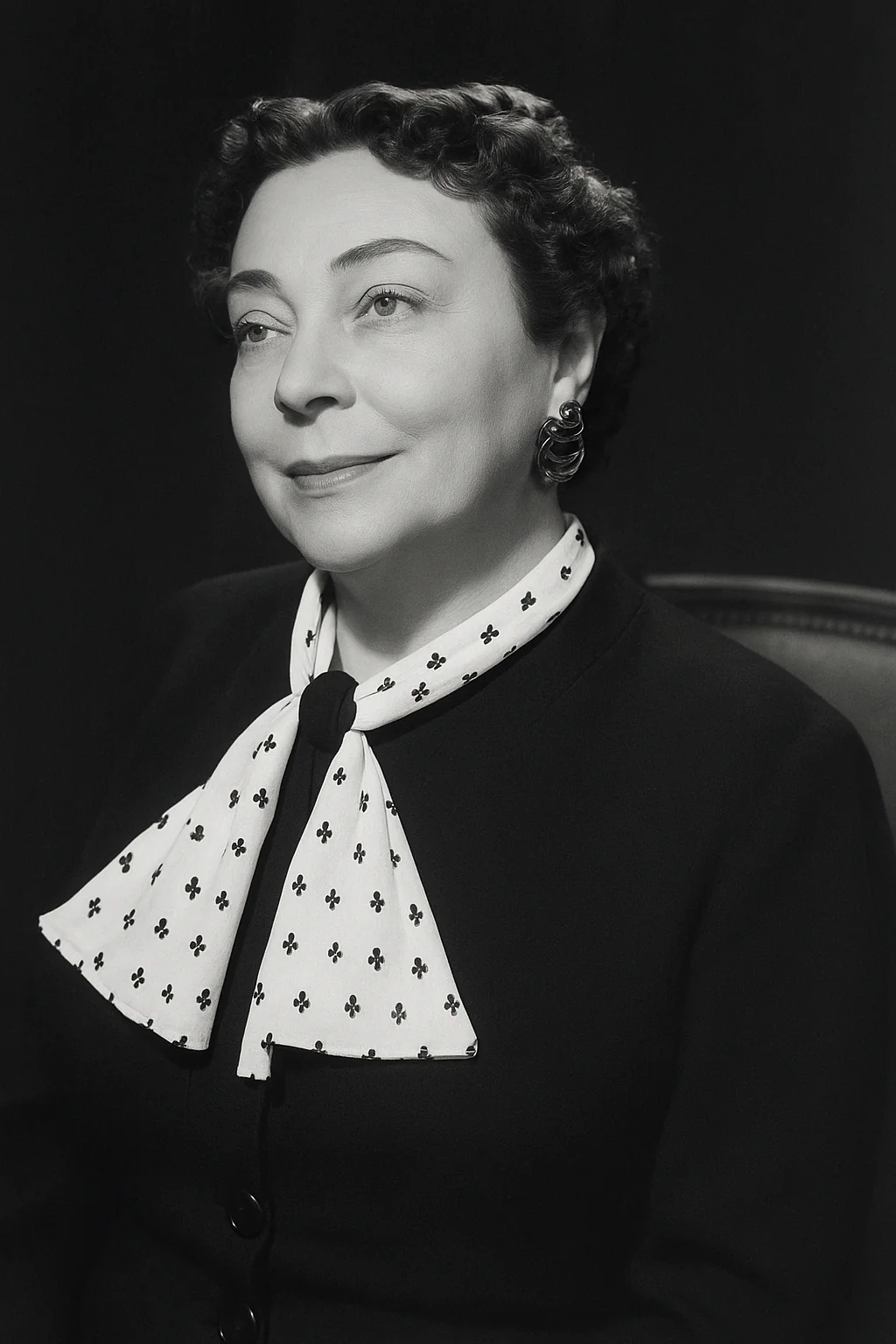
| 4 Quotes | |
| Known as | Margaret Runbeck |
| Occup. | Author |
| From | USA |
| Spouse | Sigurd Samuel Runbeck |
| Born | January 25, 1901 Ohio, United States |
| Died | September 30, 1956 Beverly Hills, Los Angeles County, California, USA |
| Aged | 55 years |
| Cite | |
Citation Formats
APA Style (7th ed.)
Margaret lee runbeck biography, facts and quotes. (2026, February 11). FixQuotes. https://fixquotes.com/authors/margaret-lee-runbeck/
Chicago Style
"Margaret Lee Runbeck biography, facts and quotes." FixQuotes. February 11, 2026. https://fixquotes.com/authors/margaret-lee-runbeck/.
MLA Style (9th ed.)
"Margaret Lee Runbeck biography, facts and quotes." FixQuotes, 11 Feb. 2026, https://fixquotes.com/authors/margaret-lee-runbeck/. Accessed 12 Feb. 2026.
Early Life and Background
Margaret Lee Runbeck was born on January 25, 1901, in the United States, a child of the Progressive Era whose assumptions about women, work, and public speech were being renegotiated even in ordinary households. Her earliest years unfolded against a backdrop of rapid urban growth, the expanding magazine market, and a culture in which popular fiction and syndicated columns began to shape everyday moral vocabulary. That mix of domestic expectation and newly accessible print opportunity became a defining tension in her inner life - the pull between privacy and the desire to be heard clearly.By the time she reached adulthood, World War I and the influenza pandemic had burned a skepticism about official assurances into many Americans. Runbeck belonged to that generation that learned early that stability could be interrupted overnight, and her later outlook often returned to the question of what remains reliable when public narratives fail. In her work, the scale is often intimate rather than overtly political, but the psychological pressure comes from the same historical sources: changing roles for women, the strain of modern tempo, and the growing belief that a personal story could carry social meaning.
Education and Formative Influences
Reliable public records of Runbeck's formal education are limited, but her career suggests the kind of self-directed, professional reading common among early 20th-century American writers who moved between newspapers, magazines, and book publishing. She matured while the American literary marketplace rewarded clarity, pace, and emotional legibility, and she absorbed the era's faith in craft - that a writer could learn narrative architecture the way a musician learns scales. The period's popular realists and domestic novelists offered models for making everyday dilemmas feel consequential without requiring grand settings.Career, Major Works, and Turning Points
Runbeck built her reputation as a working author in a highly competitive commercial environment, one in which women writers could reach huge audiences yet were often pigeonholed as merely "sentimental" or "light". Her output included novels and shorter fiction aimed at general readers, shaped by the expectations of magazine serialization and the demands of steady production. The key turning point was her ability to translate moral observation into readable plot - writing that moved fast enough for mass consumption but paused long enough to register conscience, loyalty, and regret. She died on September 30, 1956, leaving a body of work that fits the mid-century transition from the old magazine culture to a more fragmented postwar reading public.Philosophy, Style, and Themes
Runbeck's most consistent philosophical note is an insistence that character is revealed less by declarations than by pressure and restraint. She treats conversation as a surface layer and watches for the deeper currents underneath: what is withheld, what is postponed, what is forgiven without being announced. Her sensibility is captured in the idea that "Silences make the real conversations between friends. Not the saying but the never needing to say is what counts". Read psychologically, this is not simply an observation about friendship but a working theory of intimacy - that true allegiance is proven when language is unnecessary, and that people often protect one another through tact, omission, and shared memory rather than speeches.At the same time, her fiction and aphoristic voice carry a bracing respect for reality as an ethical force. When she writes, in effect, that "There is no power on earth more formidable than the truth". , it frames truth not as a comfort but as something that rearranges lives, reputations, and self-conceptions. That intensity is balanced by a more elastic view of fulfillment: "Happiness is not a state to arrive at, but a manner of traveling". Across her work, this becomes a thematic engine - people may not secure perfect endings, but they can choose a way of moving through disappointment that preserves dignity. Stylistically, Runbeck favors accessible prose, scene-driven moral testing, and a steady attention to how ordinary choices accumulate into fate.
Legacy and Influence
Runbeck's lasting influence lies less in a single canonized masterpiece than in the durable idea of fiction as guidance for daily living: stories that respect the reader's time while taking the reader's conscience seriously. In an era when women's professional writing was both ubiquitous and undervalued, her career exemplified persistence and audience intuition, and her best lines continue to circulate because they compress lived psychology into plain speech. Remembered today, she stands as a representative figure of American middlebrow literary culture at mid-century - a tradition that shaped how millions learned to name truth, loyalty, and the long, imperfect pursuit of happiness.Our collection contains 4 quotes written by Margaret, under the main topics: Truth - Friendship - Learning - Happiness.
Margaret Lee Runbeck Famous Works
- 1945 Hope of Earth (Novel)
- 1944 Our Miss Boo (Novel)