
Marge Piercy Biography Quotes 34 Report mistakes
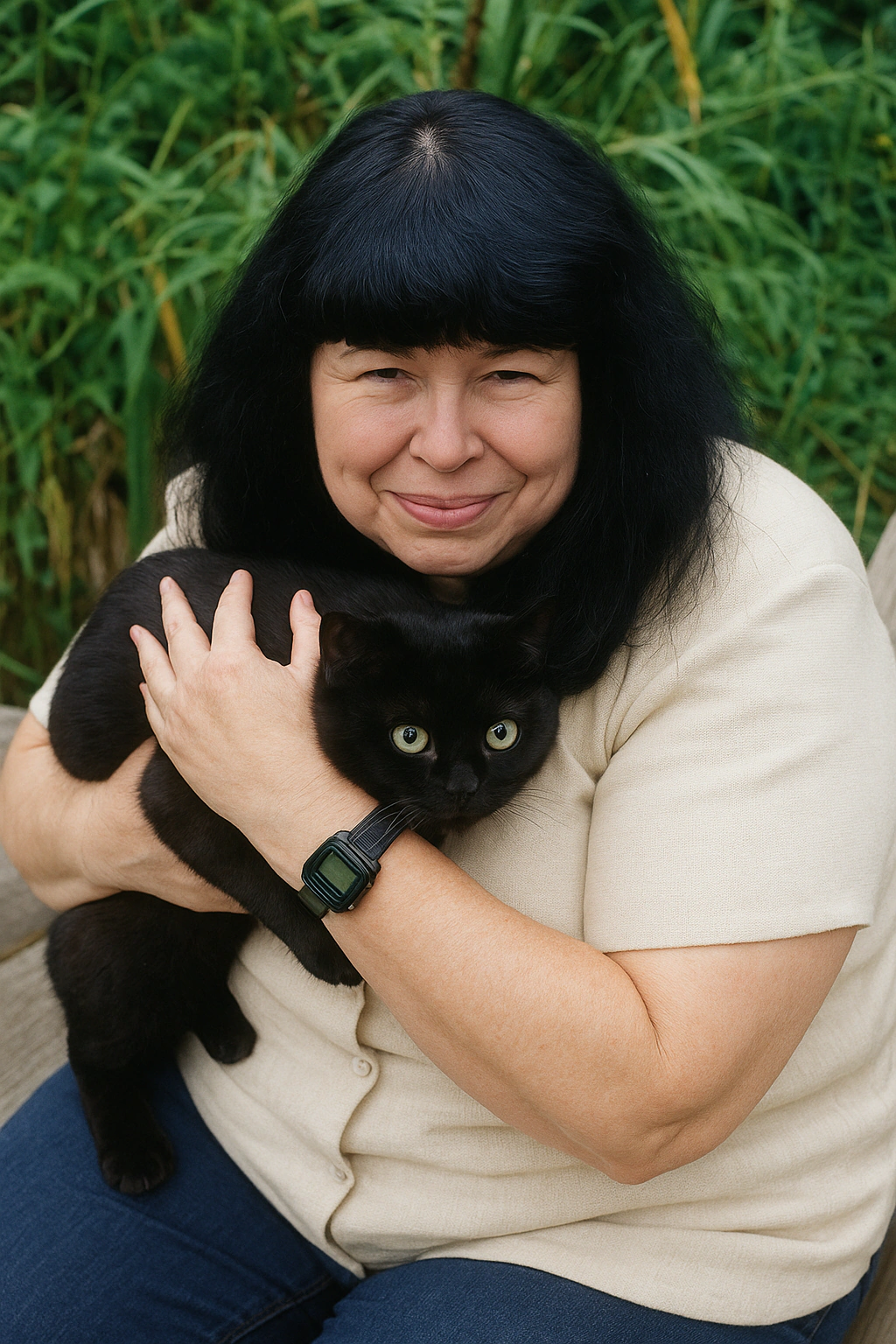
| 34 Quotes | |
| Occup. | Writer |
| From | USA |
| Spouse | Ira Wood (1982) |
| Born | March 31, 1936 Detroit, Michigan, USA |
| Age | 89 years |
| Cite | |
Citation Formats
APA Style (7th ed.)
Marge piercy biography, facts and quotes. (2026, February 11). FixQuotes. https://fixquotes.com/authors/marge-piercy/
Chicago Style
"Marge Piercy biography, facts and quotes." FixQuotes. February 11, 2026. https://fixquotes.com/authors/marge-piercy/.
MLA Style (9th ed.)
"Marge Piercy biography, facts and quotes." FixQuotes, 11 Feb. 2026, https://fixquotes.com/authors/marge-piercy/. Accessed 27 Mar. 2026.
Early Life and Background
Marge Piercy was born on March 31, 1936, in Detroit, Michigan, into a working-class Jewish family shaped by the long shadow of the Great Depression and the industrial discipline of an auto city. Her father, Robert Piercy, was a machinist; her mother, Bert Bunnin Piercy, was the daughter of Russian Jewish immigrants. The household carried both the pressures of money and the moral intensity of survival, and Piercy grew up alert to how class, gender, and ethnicity determine who is heard and who is expected to endure in silence.Detroit in the 1940s and early 1950s offered her a close view of labor, racism, and the promises and betrayals of American modernity. She later described a childhood marked by illness and isolation, experiences that pushed her inward toward books and outward toward an imagination of alternative lives. The citys contrasts - factory work and intellectual hunger, neighborhood intimacy and social exclusion - became early templates for the communities and systems she would later build, test, and sometimes burn down on the page.
Education and Formative Influences
Piercy studied at the University of Michigan, earning a BA (1957) and an MA (1958), and she later attended Northwestern University. The university years coincided with the rise of postwar American affluence and the early tremors of the civil rights and antiwar movements; for Piercy, campus life sharpened an already fierce awareness of who gets to claim authority. Modernist poetry, the Jewish prophetic tradition, and a strong apprenticeship in craft met an equally strong impatience with genteel literary culture, pushing her toward writing that would not separate aesthetics from moral and political urgency.Career, Major Works, and Turning Points
After early teaching and writing in Chicago, Piercy emerged in the late 1960s and 1970s as a major voice of American feminist and left literary culture, publishing poetry and socially expansive novels that brought factory floors, kitchens, bedrooms, and political meetings into the same moral frame. Her breakthrough novel "Small Changes" (1973) mapped the costs and exhilarations of second-wave feminism through friendship and organizing; "Woman on the Edge of Time" (1976) fused utopian speculative fiction with a psychiatric ward narrative, confronting how institutions police dissent, disability, and female anger. Later novels such as "Braided Lives" (1982) and "Gone to Soldiers" (1987) widened her historical canvas, while "He, She and It" (1991) reworked the golem legend and cyborg futures to ask what kinds of communities can survive corporate power and ecological damage. Across decades, she also remained a prolific poet, publishing books that kept daily labor, erotic life, and political grief in the same breath.Philosophy, Style, and Themes
Piercys writing rejects the fantasy that the private self can be purified of history. She treats work - paid and unpaid - as a central human drama, insisting that dignity is not abstract but made of hours, bodies, and recognition. Her speakers and characters are often propelled by a craving for usefulness that is also a craving for belonging: “The pitcher cries for water to carry and a person for work that is real”. That line captures a psychological throughline in her oeuvre - the fear of wasting ones life in roles designed by others, and the stubborn hope that meaningful labor can be a kind of secular salvation.Her style is plainspoken, sensuous, and argument-driven, moving easily between lyric intimacy and public address. She writes love as a force that tests ideology rather than decorating it, with desire portrayed as relational attention rather than conquest: “It is not sex that gives the pleasure, but the lover”. Just as central is her insistence on reciprocity and listening as an ethic of movement-building and of art: “If you want to be listened to, you should put in time listening”. Underneath these claims is an inner life marked by twin pressures - the wish to be fiercely independent and the need to be fiercely connected - which she repeatedly turns into narratives where solidarity is hard-won, imperfect, and still the only antidote to despair.
Legacy and Influence
Piercy endures as a writer who made the domestic and the political mutually legible, giving generations of readers a vocabulary for the lived texture of feminism, Jewish identity, and working-class consciousness in late-20th-century America. "Woman on the Edge of Time" remains a cornerstone of feminist science fiction and utopian literature, while her poetry continues to circulate as a resource for activists and for readers seeking language that honors both rage and tenderness. Her influence is less a single school than a durable permission: to write with moral heat, to tell the truth about bodies and labor, and to imagine futures that hold people accountable to one another.Our collection contains 34 quotes written by Marge, under the main topics: Witty One-Liners - Motivational - Wisdom - Justice - Love.
Frequently Asked Questions
- Marge Piercy to be of use: “To Be of Use” is one of Marge Piercy’s best‑known poems, celebrating meaningful work, perseverance, and commitment.
- Marge Piercy books: Popular books by Marge Piercy include “Woman on the Edge of Time,” “He, She and It,” “Small Changes,” and “Gone to Soldiers.”
- Marge Piercy works: Her major works include the novels “Woman on the Edge of Time,” “He, She and It,” and poetry collections like “The Art of Blessing the Day.”
- Marge Piercy husband: Marge Piercy is married to novelist and publisher Ira Wood.
- Marge Piercy poems: Marge Piercy is known for feminist and political poems like “To Be of Use,” “Barbie Doll,” and “The Low Road.”
- How old is Marge Piercy? She is 89 years old
Source / external links