
Maria Cantwell Biography Quotes 4 Report mistakes
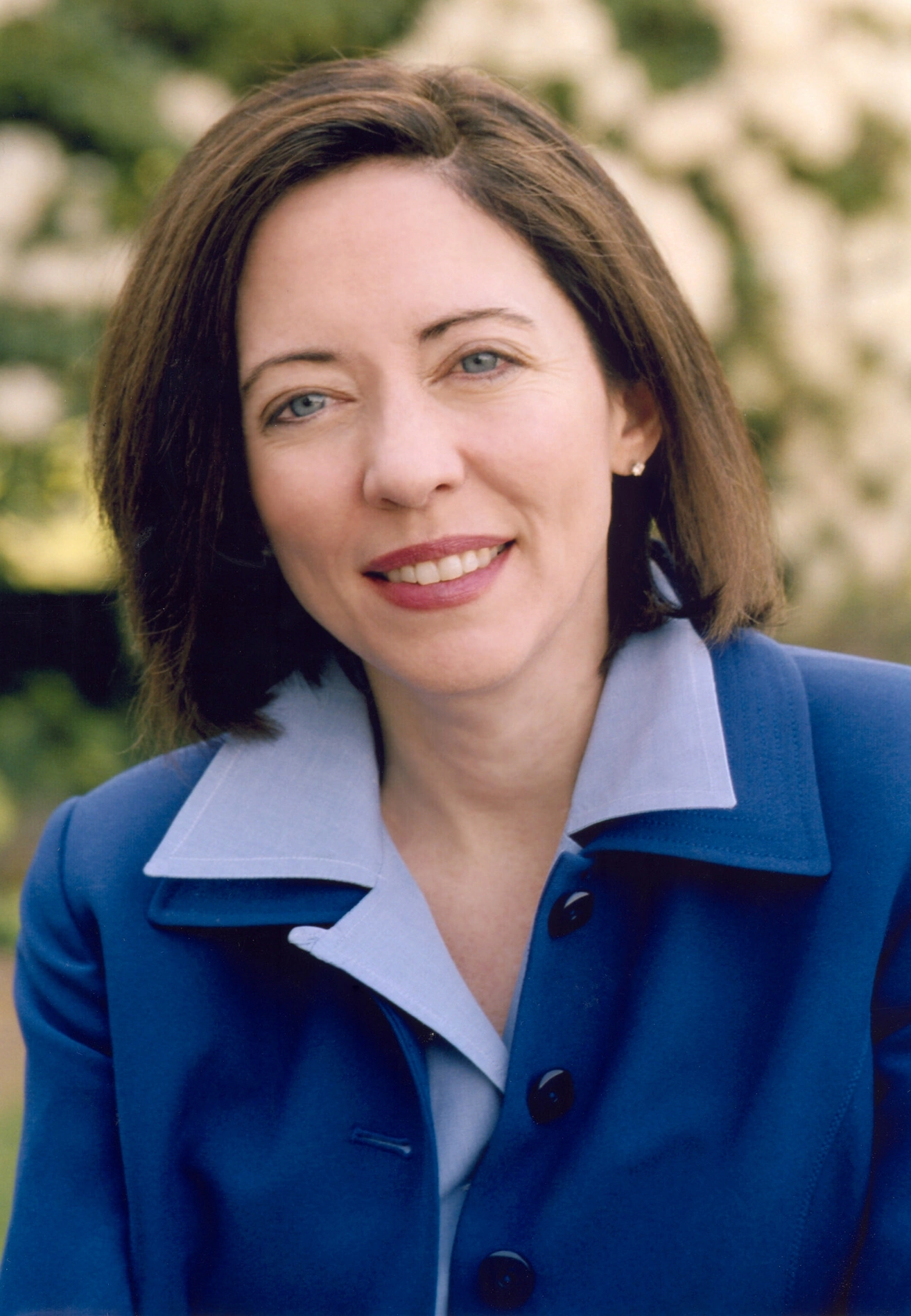
| 4 Quotes | |
| Born as | Maria E. Cantwell |
| Occup. | Politician |
| From | USA |
| Born | October 13, 1958 Indianapolis, Indiana, U.S. |
| Age | 67 years |
| Cite | |
Citation Formats
APA Style (7th ed.)
Maria cantwell biography, facts and quotes. (2026, February 11). FixQuotes. https://fixquotes.com/authors/maria-cantwell/
Chicago Style
"Maria Cantwell biography, facts and quotes." FixQuotes. February 11, 2026. https://fixquotes.com/authors/maria-cantwell/.
MLA Style (9th ed.)
"Maria Cantwell biography, facts and quotes." FixQuotes, 11 Feb. 2026, https://fixquotes.com/authors/maria-cantwell/. Accessed 26 Mar. 2026.
Early Life and Background
Maria E. Cantwell was born on October 13, 1958, in Indianapolis, Indiana, and grew up in a large Irish Catholic family whose practical politics were shaped less by ideology than by daily arithmetic - wages, bills, school, and the dignity of work. That Midwestern upbringing gave her an instinct for the household-scale consequences of policy: what a rate hike means when the budget is already tight, what a factory closing does to a community's sense of itself, what it feels like when distant decision-makers treat ordinary people as an afterthought.In the late 1970s and early 1980s she moved west, drawn to the Pacific Northwest's mixture of civic experimentation and private-sector dynamism. Washington state in those years offered a living laboratory: Boeing cycles, timber conflicts, emergent tech firms, and the civic push-and-pull between growth and environmental limits. Cantwell's temperament - detail-minded, systems-oriented, and suspicious of insider advantage - fit a region that prized competence but also expected public power to stand up to concentrated economic power.
Education and Formative Influences
Cantwell attended Miami University in Oxford, Ohio, graduating in 1980, then entered politics through campaign and congressional staff work, learning retail persuasion alongside legislative mechanics. Working for Representative Jamie Whitten in Washington, D.C., she absorbed the unglamorous disciplines of governance: committee leverage, appropriations realities, and the way constituent problems become casework, then policy. Her formative influences blended reform-era consumer politics with Northwest public-utility debates, leaving her comfortable with markets but unwilling to treat deregulation as a faith.Career, Major Works, and Turning Points
Elected to the U.S. House in 1992 from Washington's 1st district, Cantwell arrived in the post-Cold War moment when trade, telecom, and financial policy were reshaping the economy. After losing re-election in the 1994 Republican wave, she moved into the private sector, including a role at RealNetworks during the early internet boom - experience that later informed her fluency on technology, privacy, and innovation policy. In 2000 she returned to electoral politics and won a U.S. Senate seat, where her career became closely associated with oversight, consumer protection, and energy accountability, especially during the West Coast energy crisis. Over time she rose to chair the Senate Committee on Commerce, Science, and Transportation, working on aviation safety, maritime issues, broadband, and consumer privacy, while also becoming a prominent voice on energy markets and utility fairness in a region defined by hydropower.Philosophy, Style, and Themes
Cantwell's political psychology is anchored in democratic faith disciplined by skepticism of corporate opacity. She is not a performer by instinct; her style tends toward methodical argument, hearing-room persistence, and the slow accumulation of documentary record. That orientation makes her effective in moments when the public needs an advocate who reads the footnotes and insists on enforceable rules rather than rhetorical assurances.Her themes recur: the moral agency of ordinary citizens, and the necessity of guardrails when markets become predatory. When she invokes civic movements, it is to frame politics as participatory power, not elite negotiation: “Dr. King's leadership reaffirmed the promise of our democracy: that everyday people, working together, have the power to change our government and our institutions for the better”. During the Enron era, her language sharpened into prosecutorial resolve, expressing a refusal to normalize impunity: “We will not rest until the wooden stake is punched through the heart of the Enron lawsuit against us”. And on Northwest energy fights, her emphasis on legality and ratepayer fairness reveals a core belief that public money and public power must serve the public first: “But the fact is, it's illegal for the Administration to spend North west taxpayers' money to develop this rate hike proposal, just so it can turn around and raise their energy rates”. Across these registers, her inner throughline is control of systems - bending bureaucracy, regulation, and oversight so that everyday people are not trapped inside someone else's rigged architecture.
Legacy and Influence
Cantwell's enduring influence is less about a single signature law than a governing posture: a Northwest senator who treats consumer protection, energy-market integrity, and technology oversight as connected battles over power and accountability. In an era when politics often rewards spectacle, her legacy is the quieter model of investigative persistence - the belief that democracy can still be made real through hearings, audits, and enforceable standards that translate moral claims into material outcomes for ratepayers, travelers, and families trying to live within the limits of a monthly budget.Our collection contains 4 quotes written by Maria, under the main topics: Justice.
Other people related to Maria: Jim McDermott (Politician), Rick Larsen (Politician), Patty Murray (Politician), Doc Hastings (Politician)
Source / external links