
Marian Wright Edelman Biography Quotes 29 Report mistakes
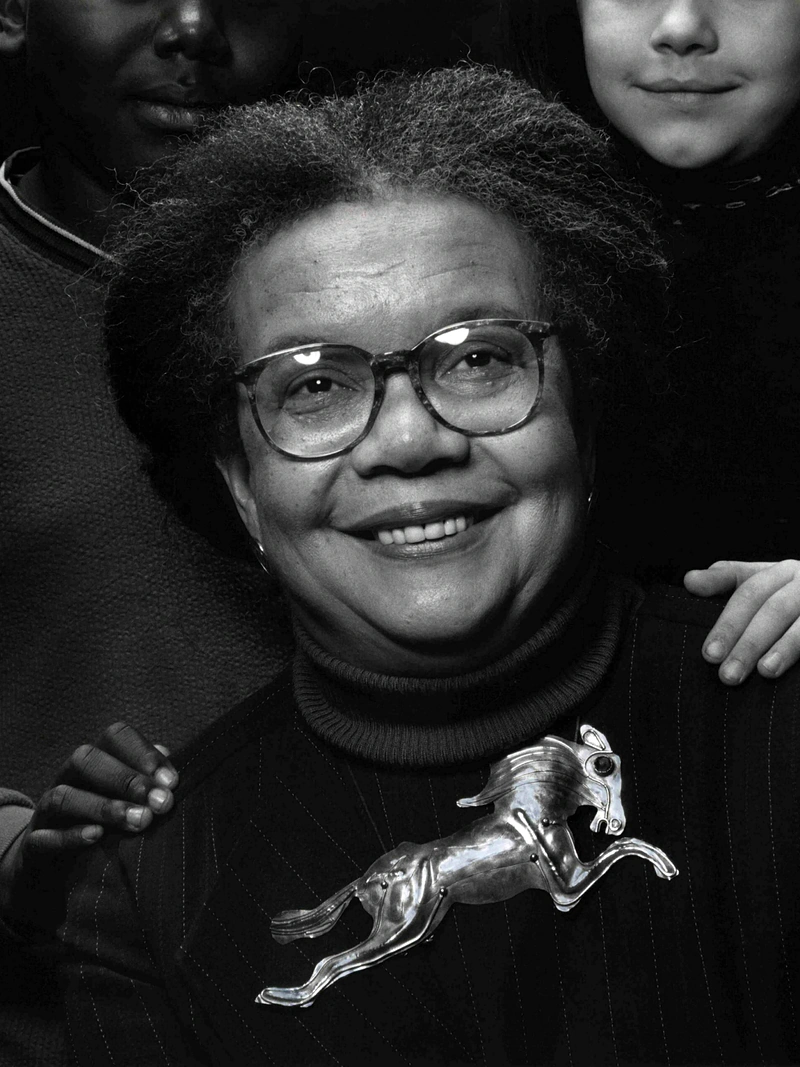
| 29 Quotes | |
| Born as | Marian Wright |
| Occup. | Activist |
| From | USA |
| Born | June 6, 1939 Bennettsville, South Carolina, USA |
| Age | 86 years |
| Cite | |
Citation Formats
APA Style (7th ed.)
Marian wright edelman biography, facts and quotes. (2026, February 11). FixQuotes. https://fixquotes.com/authors/marian-wright-edelman/
Chicago Style
"Marian Wright Edelman biography, facts and quotes." FixQuotes. February 11, 2026. https://fixquotes.com/authors/marian-wright-edelman/.
MLA Style (9th ed.)
"Marian Wright Edelman biography, facts and quotes." FixQuotes, 11 Feb. 2026, https://fixquotes.com/authors/marian-wright-edelman/. Accessed 27 Mar. 2026.
Early Life and Background
Marian Wright Edelman was born Marian Wright on June 6, 1939, in Bennettsville, South Carolina, a segregated mill town where the rituals of daily life were shaped by Jim Crow law and the quiet, constant threat of racial violence. She grew up in a large, close-knit family anchored by the Black church and by the authority of her father, the Rev. Arthur J. Wright, a Baptist minister whose sermons fused scripture with civic obligation. Her mother, Maggie Bowes Wright, managed the household with discipline and tenderness, modeling a form of leadership that did not require title to be real.A defining rupture came when her father died of a heart attack while still a relatively young man. Edelman later described that loss as both personal devastation and moral summons: he had pressed his children to serve beyond themselves, to meet injustice without surrendering to it. In the early 1950s South, that message carried practical stakes. She watched neighbors navigate unequal schools, restricted jobs, and the humiliations of public space, learning early that law was not abstract principle but a tool that could either wound or shield.
Education and Formative Influences
Edelman left South Carolina for Spelman College in Atlanta, graduating in 1960 at the height of the student sit-in movement; the citys Black intellectual and organizing networks, and Spelmans tradition of disciplined excellence, sharpened her sense that achievement without responsibility was a kind of failure. She continued to Yale Law School, earning her law degree in 1963, one of a small number of Black women in elite legal education at the time. The era of Brown v. Board of Education and the Birmingham campaign formed the backdrop of her training, but her real education came from watching how constitutional promises did - or did not - reach ordinary people.Career, Major Works, and Turning Points
After clerking and brief work in New York, Edelman moved into the heart of the civil rights struggle, working with the NAACP Legal Defense and Educational Fund in Mississippi in 1964. There she became the first Black woman admitted to the Mississippi bar, representing civil rights workers and families targeted for asserting basic rights, and helping press for enforcement of school desegregation and voting protections during and after Freedom Summer. Relocating to Washington, D.C., she expanded her focus from courtroom battles to national policy, eventually founding the Childrens Defense Fund in 1973 and leading it for decades as its public face and strategist. Through reports, testimony, and relentless coalition-building, she made childrens health care, income security, education access, and juvenile justice core moral questions of American governance, and she translated advocacy into widely read books including Families in Peril (1987), The Measure of Our Success (1992), Lanterns (1999), and The Sea Is So Wide and My Boat Is So Small (2003). Her marriage to Joseph Edelman linked her to a broader network of social reformers and philanthropists, but her authority derived from a rarer asset: credibility earned where policy meets pain.Philosophy, Style, and Themes
Edelmans inner life, as it appears across her speeches and writing, is governed by a theology of duty and an organizers realism. She treats service not as sentiment but as structure, insisting that moral intention must be converted into habits, budgets, and laws. “Service is the rent we pay for being. It is the very purpose of life, and not something you do in your spare time”. That line reveals a psychology allergic to self-exemption: grief, fatigue, and even rightful anger are permitted, but not abdication. In her work, the vulnerable child becomes the measure that exposes adult self-deception - a society can praise family values while tolerating hunger, unsafe housing, and preventable illness.Her style is both prosecutorial and pastoral. She argues like a lawyer - marshaling evidence about poverty, incarceration, and unequal schooling - while speaking like a minister who expects conversion. “If we don't stand up for children, then we don't stand for much”. Yet she also rejects the hero myth that paralyzes ordinary people; change, for her, is incremental and collective. “You just need to be a flea against injustice. Enough committed fleas biting strategically can make even the biggest dog uncomfortable and transform even the biggest nation”. The metaphor is telling: she distrusts purity and grandiosity, preferring persistent, strategic pressure, and she frames hope as a discipline practiced daily under imperfect conditions.
Legacy and Influence
Edelmans enduring influence lies in how she normalized childrens well-being as a central civic obligation rather than a private charity project. By building an institution that could litigate, research, convene, and shame power with facts, she helped shift the language of public debate from abstract opportunity to concrete protections - health coverage, nutrition, safe schools, and fair treatment in courts. Her legacy also lives in the generations of advocates she trained, many of them women and people of color, who learned from her that policy is a moral battleground and that persistence is a form of love. In an America still wrestling with inequality, Edelmans life stands as a sustained argument that the nations character is revealed not by its rhetoric but by what it is willing to guarantee to children.Our collection contains 29 quotes written by Marian, under the main topics: Motivational - Ethics & Morality - Justice - Never Give Up - Learning.