
Mario Puzo Biography Quotes 11 Report mistakes
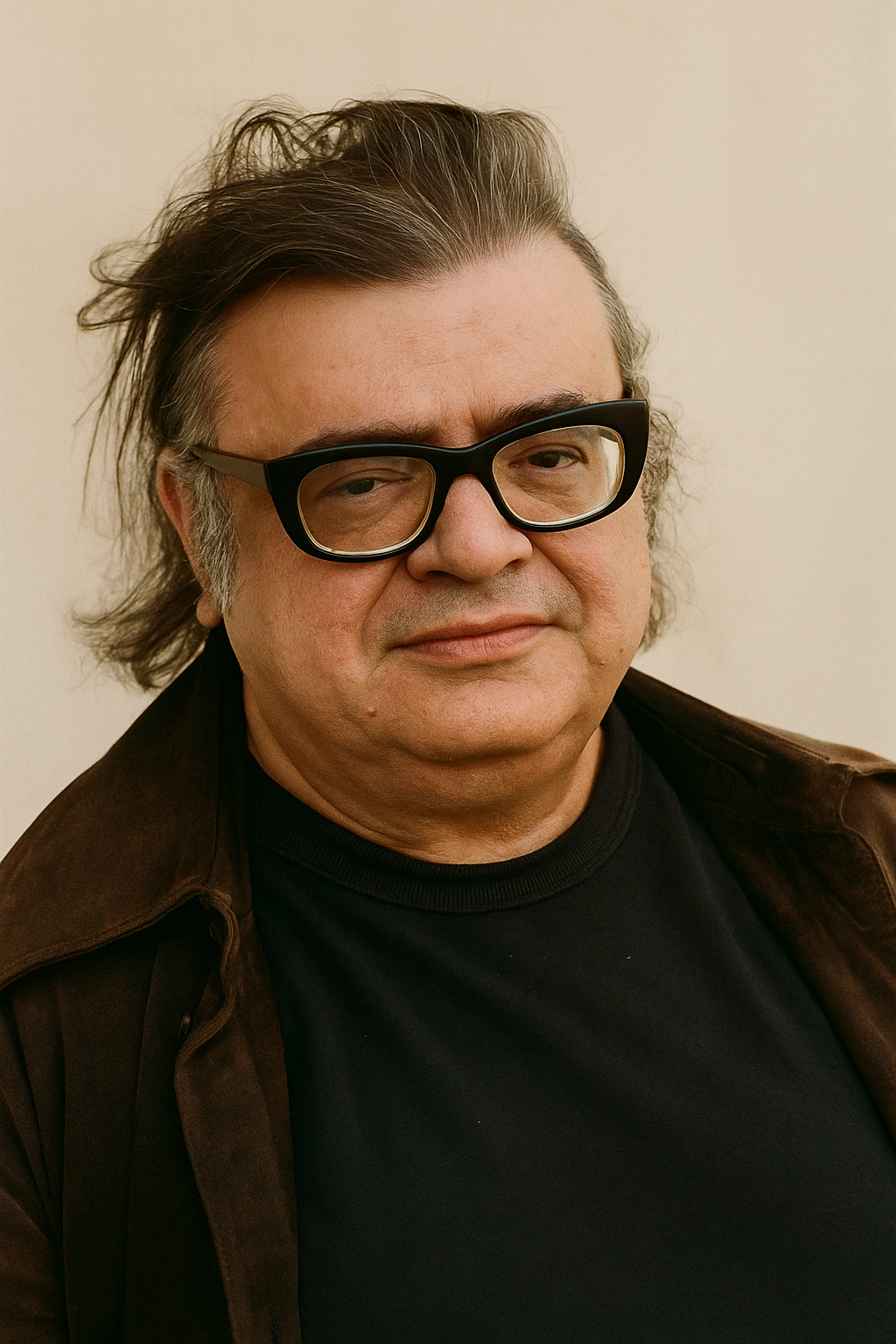
| 11 Quotes | |
| Born as | Mario Francis Puzo |
| Known as | Mario Cleri |
| Occup. | Novelist |
| From | USA |
| Born | October 15, 1921 New York City, New York, U.S. |
| Died | July 2, 1999 Bay Shore, New York, U.S. |
| Cause | Heart failure |
| Aged | 77 years |
| Cite | |
Citation Formats
APA Style (7th ed.)
Mario puzo biography, facts and quotes. (2026, February 11). FixQuotes. https://fixquotes.com/authors/mario-puzo/
Chicago Style
"Mario Puzo biography, facts and quotes." FixQuotes. February 11, 2026. https://fixquotes.com/authors/mario-puzo/.
MLA Style (9th ed.)
"Mario Puzo biography, facts and quotes." FixQuotes, 11 Feb. 2026, https://fixquotes.com/authors/mario-puzo/. Accessed 27 Mar. 2026.
Early Life and Background
Mario Francis Puzo was born on October 15, 1921, in New York City to impoverished Italian immigrant parents from the Naples region, growing up in the dense, clannish worlds of Manhattan's Hell's Kitchen and the nearby Italian-American neighborhoods that fed it. His father, a railroad worker, struggled with mental illness and instability, leaving the household to the hard arithmetic of rent, food, and reputation. In that environment, children learned early that public authority was not always protection, that private loyalties could be more dependable than institutions, and that survival often depended on reading a room before it turned.The Depression-era street economy - petty hustles, neighborhood bosses, and the code of silence that shielded both shame and solidarity - became Puzo's first apprenticeship in power. He saw how poverty produces not only want but a craving for dignity, and how the promise of "making it" in America could coexist with the sense that the rules were written for someone else. That tension, between aspiration and exclusion, would later become the emotional motor of his most famous fiction, where family loyalty is both refuge and trap.
Education and Formative Influences
After serving in World War II, Puzo used the G.I. Bill to attend City College of New York and later did graduate work at Columbia University, absorbing the postwar mix of realism, psychological fiction, and immigrant narratives while trying to write his way out of financial precarity. The years after the war also sharpened his sense of American mobility: the rhetoric of opportunity was real, but the cost of entry could be humiliation, debt, and the surrender of privacy. Alongside literary ambition, he carried the discipline of a veteran and the observational habits of someone raised where talk was currency and discretion was safety.Career, Major Works, and Turning Points
Puzo published early novels that showed serious intent - including The Dark Arena (1955), shaped by his wartime experience, and The Fortunate Pilgrim (1965), a deeply felt portrait of an immigrant mother - but neither brought financial security. The turning point was practical as much as artistic: burdened by debt and determined to provide, he set out to write a commercial book about organized crime, drawing on neighborhood memory, reported detail, and a novelist's sense of motive. The Godfather (1969) became a cultural earthquake, and Puzo's role expanded from novelist to Hollywood architect when he co-wrote the screenplay for The Godfather (1972) with Francis Ford Coppola, winning an Academy Award and helping define the modern crime saga; he later co-wrote The Godfather Part II (1974) and remained a sought-after storyteller, from The Sicilian (1984) to the script for Superman (1978), always balancing mythmaking with a working writer's calculus.Philosophy, Style, and Themes
Puzo wrote in a plainspoken, propulsive style that treated power as a daily craft rather than an abstraction. His characters think in terms of leverage, favors, and timing, and the prose reflects that ethic: direct, tactile, built from scenes where a glance or an offering carries the weight of law. He did not romanticize violence so much as demystify it by placing it on the same continuum as business, politics, and family obligation. The result is a moral atmosphere where affection and coercion sit side by side, and where the most dangerous acts are often bureaucratic, politely executed, and socially sanctioned.Under the gangster myth, Puzo explored the psychology of belonging - the hunger to be protected, seen, and repaid in kind. “Even the strongest man needs friends”. That line captures his recurrent insight that strength is rarely solitary; it depends on networks, and networks demand tribute. He was equally unsentimental about how money contaminates intimacy: “Friendship and money: oil and water”. In his world, love can be genuine and still be priced, parceled, and used. And he insisted that modern authority often steals without spectacle: “A lawyer with his briefcase can steal more than a hundred men with guns”. The psychological throughline is a wary realism born of early deprivation - a belief that institutions are instruments, that sentiment can cloud judgment, and that the family, for all its warmth, can be an organization with rules as binding as any state.
Legacy and Influence
Puzo died on July 2, 1999, in the United States, having reshaped global popular culture's image of the Mafia and, more broadly, the way modern audiences understand power as a system of relationships. The Godfather became a template for crime fiction and prestige television, influencing writers, directors, and musicians, while also provoking debate about stereotyping and the glamorization of violence - a debate that itself testifies to the work's reach. Yet his most enduring contribution may be the emotional logic he gave to ambition: the idea that the American dream can be pursued through love and loyalty, but also through compromise, secrecy, and the quiet conversion of family into empire.Our collection contains 11 quotes written by Mario, under the main topics: Wisdom - Justice - Friendship - Mortality - Deep.
Other people related to Mario: Bruce Jay Friedman (Novelist)
Frequently Asked Questions
- Mario Puzo Superman: Wrote the original story/screenplay for Superman (1978) and the story for Superman II (1980).
- Mario Puzo died: July 2, 1999, in Bay Shore, New York (heart failure).
- What is Mario Puzo net worth? Estimated around $20 million at the time of his death.
- Mario Puzo Godfather: Author of The Godfather; co-wrote the films (Parts I & II won Oscars).
- Mario Puzo cause of death: Heart failure.
- Mario Puzo movies and TV shows: Screenwriter: The Godfather I–III; Superman (1978); Superman II (story). TV: The Fortunate Pilgrim (1988), The Last Don (1997), The Last Don II (1998).
- Mario Puzo books: The Godfather; The Sicilian; The Last Don; Omertà; Fools Die; The Fortunate Pilgrim; The Dark Arena; The Family.
- How old was Mario Puzo? He became 77 years old
Mario Puzo Famous Works
- 2001 The Family (Novel)
- 2000 Omertà (Novel)
- 1996 The Last Don (Novel)
- 1990 The Fourth K (Novel)
- 1984 The Sicilian (Novel)
- 1978 Superman (screenplay) (Screenplay)
- 1978 Fools Die (Novel)
- 1974 The Godfather Part II (screenplay) (Screenplay)
- 1972 The Godfather (screenplay) (Screenplay)
- 1972 The Godfather Papers and Other Confessions (Essay)
- 1969 The Godfather (Novel)
- 1965 The Fortunate Pilgrim (Novel)
- 1955 The Dark Arena (Novel)
Source / external links