
Marion Jones Biography Quotes 21 Report mistakes
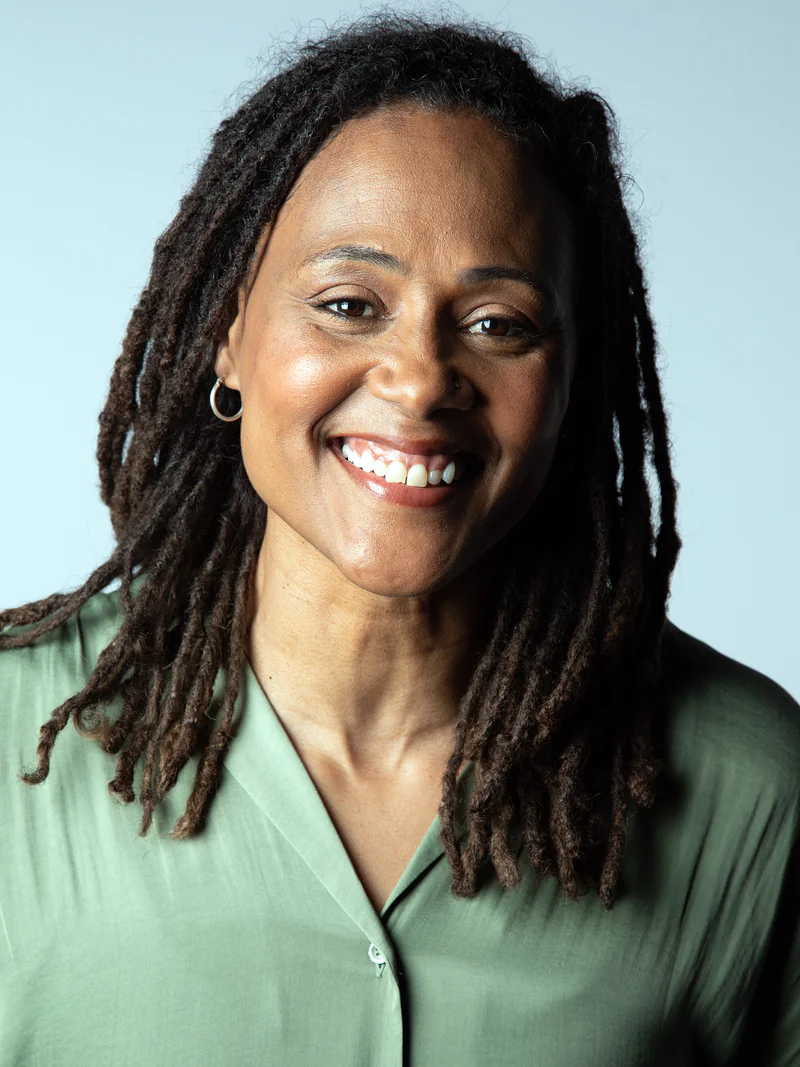
| 21 Quotes | |
| Occup. | Athlete |
| From | USA |
| Born | October 12, 1975 Los Angeles, California, United States |
| Age | 50 years |
| Cite | |
Citation Formats
APA Style (7th ed.)
Marion jones biography, facts and quotes. (2026, February 4). FixQuotes. https://fixquotes.com/authors/marion-jones/
Chicago Style
"Marion Jones biography, facts and quotes." FixQuotes. February 4, 2026. https://fixquotes.com/authors/marion-jones/.
MLA Style (9th ed.)
"Marion Jones biography, facts and quotes." FixQuotes, 4 Feb. 2026, https://fixquotes.com/authors/marion-jones/. Accessed 26 Mar. 2026.
Early Life and Background
Marion Lois Jones was born on October 12, 1975, in Los Angeles, California, and came of age in an America that increasingly treated elite sport as both entertainment and identity. Raised largely by her mother, she learned early how private instability can harden into public drive. In interviews she would later return to the emotional geometry of that household - a missing father, a fiercely present mother, and the quiet arithmetic of ambition that follows when a child decides talent must be made undeniable.She grew up in the Southern California sports ecosystem where track meets, playground sprints, and school rivalries offered a ladder for the precocious and relentless. By adolescence she was already a rare multi-sport figure, the kind of athlete whose speed felt transferable - a sprinter's burst, a jumper's timing, a competitor's calm - and whose confidence was reinforced each time she proved that training could turn raw gift into repeatable results.
Education and Formative Influences
Jones attended high school in Southern California and became a national-level standout in both track and basketball, earning wide attention before choosing to attend the University of North Carolina at Chapel Hill. At UNC she played on the women's basketball team that won the 1994 NCAA championship, absorbing a program culture built on structure, repetition, and team accountability. The experience mattered: it trained her to perform under televised pressure and to understand how a public narrative is manufactured around athletes, a skill she later wielded - and suffered under - as track turned her into a global brand.Career, Major Works, and Turning Points
By the late 1990s Jones committed fully to track and field, building toward a peak that arrived at the Sydney 2000 Olympic Games. There she won five medals across the 100 meters, 200 meters, 4x100 relay, long jump, and 4x400 relay, becoming the most visible female sprinter in the world and a symbol of U.S. athletic dominance. That triumph, however, was shadowed by the era's accelerating doping arms race and by her ties to coach Trevor Graham and to the BALCO orbit; public suspicion grew as investigators pursued performance-enhancing drug networks. In 2007 Jones admitted to using steroids (tetrahydrogestrinone, "the clear") before Sydney, pleaded guilty to making false statements to federal agents, and was sentenced to six months in prison. Her Olympic medals were stripped, her records erased from official books, and her name became shorthand for the cost of denial in an age when sport, science, and celebrity were colliding at high speed. After release she attempted reinvention, including a stint in professional basketball with the WNBA's Tulsa Shock, and later work in public speaking and advocacy, living with the long afterlife of a rise-and-fall narrative.Philosophy, Style, and Themes
At her best, Jones's athletic style fused sprinter explosiveness with a long jumper's elasticity - a buoyant acceleration, high knee lift, and a finish that looked like conviction. Psychologically she projected control, cultivating the image of an athlete who had earned every fraction through steady development. That self-concept surfaces in her insistence that long observers could track her ascent: “I think the people who have really followed my career from the time I was seven years old can see my steady progress and see the type of person and athlete I am”. The sentence is both argument and defense - a plea that biography should outweigh evidence, and that continuity of effort should serve as moral proof.Her public philosophy also leaned on a moral language of clean competition, which, in retrospect, reads as aspiration entangled with performance pressure. “I'm for a drug-free sport and always will be”. Coming from a figure later exposed as complicit, the line illuminates a classic athletic contradiction: the desire to embody an ideal while living inside incentives that punish vulnerability and reward results. Jones also framed herself through family devotion and the emotional ballast of motherhood and partnership, acknowledging the domestic strain behind the podium: “Our lives are so hectic and full, and we have a big family right now”. The theme running through her statements is not cynicism so much as compartmentalization - the attempt to keep the self split into roles (mother, star, competitor, icon) even as public scrutiny collapses them into a single verdict.
Legacy and Influence
Marion Jones endures as a defining figure of turn-of-the-millennium sport: a phenomenal talent whose greatest stage coincided with track and field's credibility crisis. Her stripped medals and prison sentence reshaped how fans and institutions talk about accountability, investigation, and the seductions of celebrity, while her confession became a cautionary narrative used in anti-doping education and in media ethics debates. Yet her story also remains human-scale - a portrait of ambition built from early absence and fierce will, then tested by the era's chemistry, money, and surveillance. In that tension lies her lasting influence: she is remembered not only for speed, but for how quickly triumph can curdle when the private choices behind public greatness are finally named.Our collection contains 21 quotes written by Marion, under the main topics: Witty One-Liners - Justice - Sports - Goal Setting - Mother.