
Mark Carney Biography Quotes 14 Report mistakes
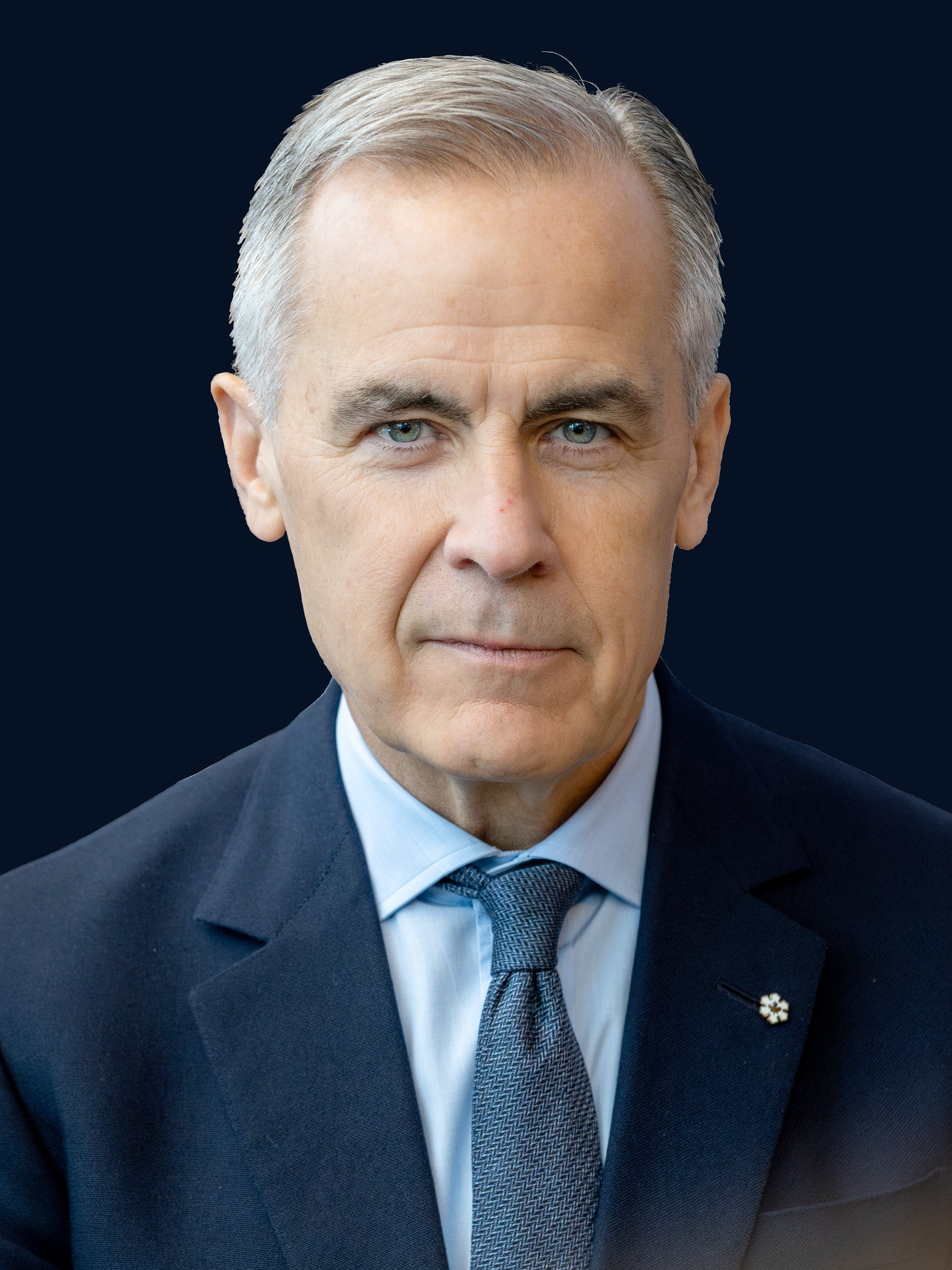
Attr: Lea-Kim, CC BY-SA 4.0
| 14 Quotes | |
| Native name | Mark Joseph Carney |
| Occup. | Economist |
| From | Canada |
| Spouse | Diana Fox Carney |
| Born | March 16, 1965 Fort Smith, Northwest Territories, Canada |
| Age | 61 years |
| Cite | |
Citation Formats
APA Style (7th ed.)
Mark carney biography, facts and quotes. (2026, February 11). FixQuotes. https://fixquotes.com/authors/mark-carney/
Chicago Style
"Mark Carney biography, facts and quotes." FixQuotes. February 11, 2026. https://fixquotes.com/authors/mark-carney/.
MLA Style (9th ed.)
"Mark Carney biography, facts and quotes." FixQuotes, 11 Feb. 2026, https://fixquotes.com/authors/mark-carney/. Accessed 27 Mar. 2026.
Early Life and Background
Mark Joseph Carney was born on March 16, 1965, in Fort Smith, Northwest Territories, Canada, a frontier town shaped by weather, distance, and public service. His father was a high school principal, and the household ethos was practical - do the work, learn the system, and be useful. That combination of civic-mindedness and tough geography helped form the kind of temperament later visible in Carney's crisis-management instincts: calm under pressure, alert to tail risks, and impatient with complacency.Carney grew up mostly in Edmonton, Alberta, during the late-1970s and 1980s, a period when energy booms and busts exposed how commodity cycles can whipsaw jobs, public budgets, and community confidence. Canada in those years was also renegotiating its economic story - inflation's hangover, freer trade, and a larger role for independent central banking. That backdrop made macroeconomics feel less like theory and more like lived experience: stability was not abstract, and policy errors had faces.
Education and Formative Influences
He studied economics at Harvard University, graduating in 1988, then earned a masters (1993) and doctorate (1995) in economics from Oxford University, where he was influenced by rigorous, model-driven macroeconomics and the British tradition of policy pragmatism. The combination mattered: Harvard sharpened his empirical ambition; Oxford trained him to argue within institutions that prized credibility and clear mandates - habits that later defined how he communicated as a central banker to markets and the public.Career, Major Works, and Turning Points
Carney began at Goldman Sachs, working in London, Tokyo, New York, and Toronto on sovereign risk and emerging-market finance, before moving into public service at the Bank of Canada and later Canada's Department of Finance. He became Governor of the Bank of Canada in 2008, just as the global financial crisis erupted, and gained a reputation for rapid, forceful stabilization - including forward guidance and coordinated liquidity measures. In 2013 he became Governor of the Bank of England, the first non-Briton to hold the post, steering the institution through the aftershocks of the eurozone crisis, the long deleveraging of banks, and then the political-economic shock of Brexit. After leaving the Bank in 2020, he took on prominent roles at the intersection of finance and climate policy, including as the UN Special Envoy for Climate Action and Finance and as a leading figure in initiatives pushing climate-related financial disclosure and net-zero alignment, translating central-banking credibility into a broader campaign to price risk honestly.Philosophy, Style, and Themes
Carney's governing philosophy centers on credibility under uncertainty: act decisively in a panic, then institutionalize the lessons so the next shock is survivable. He has argued that in a systemic break, hesitation compounds damage - “In crises, it is better to do too much than too little”. That line reflects not bravado but a particular psychology of responsibility: he treats financial stability as a public good, and public goods, in his view, justify pre-emptive force when markets freeze. His communication style mirrors that ethic - plain, mandate-focused, and designed to anchor expectations without promising miracles.A second, increasingly dominant theme is time - the mismatch between short-term incentives and long-term consequences, especially on climate. He has warned that markets are built to discount the far horizon: “The tragedy is that climate change is on a different horizon than most actors in the financial system”. From that diagnosis follows an agenda of rewiring decision-making so risk is not invisibly warehoused for the future. Carney frames the transition not as moral symbolism but as balance-sheet realism and industrial strategy - “The objective is to ensure that every professional financial decision takes climate change into account”. In this reading, his inner continuity is clear: the same mind that stressed stress tests and capital buffers in banking now presses for disclosure, scenario analysis, and incentives that make climate risk legible.
Legacy and Influence
Carney's enduring influence lies in expanding what mainstream economic stewardship is expected to include. As a crisis-era governor, he strengthened the norm that central banks must be fast, technically competent, and publicly intelligible when confidence collapses. As a post-crisis leader, he helped legitimize the idea that climate risk is financial risk - not a sidebar, but a core variable shaping asset values, insurance losses, and macro stability. Whether one sees his agenda as necessary modernization or mission creep, he has shifted elite consensus: prudence now means measuring long-dated threats, and authority means building institutions that can withstand both sudden shocks and slow-motion ones.Our collection contains 14 quotes written by Mark, under the main topics: Ethics & Morality - Resilience - Investment - Business - Decision-Making.
Source / external links
- Associated Press: Who is Mark Carney, Canada's new prime minister (profile)
- Liberal Party of Canada: Meet Mark Carney
- Government of Canada (Canada.ca): Archived release: Appointed Governor (Oct 2007)
- Bank of Canada: Press release: Appointed Governor (Oct 4, 2007)
- Bank of Canada: Profile/Biography (Former Governor 2008–2013)
- Encyclopaedia Britannica: Mark Carney
- Wikipedia: Mark Carney