
Mark Shields Biography Quotes 25 Report mistakes
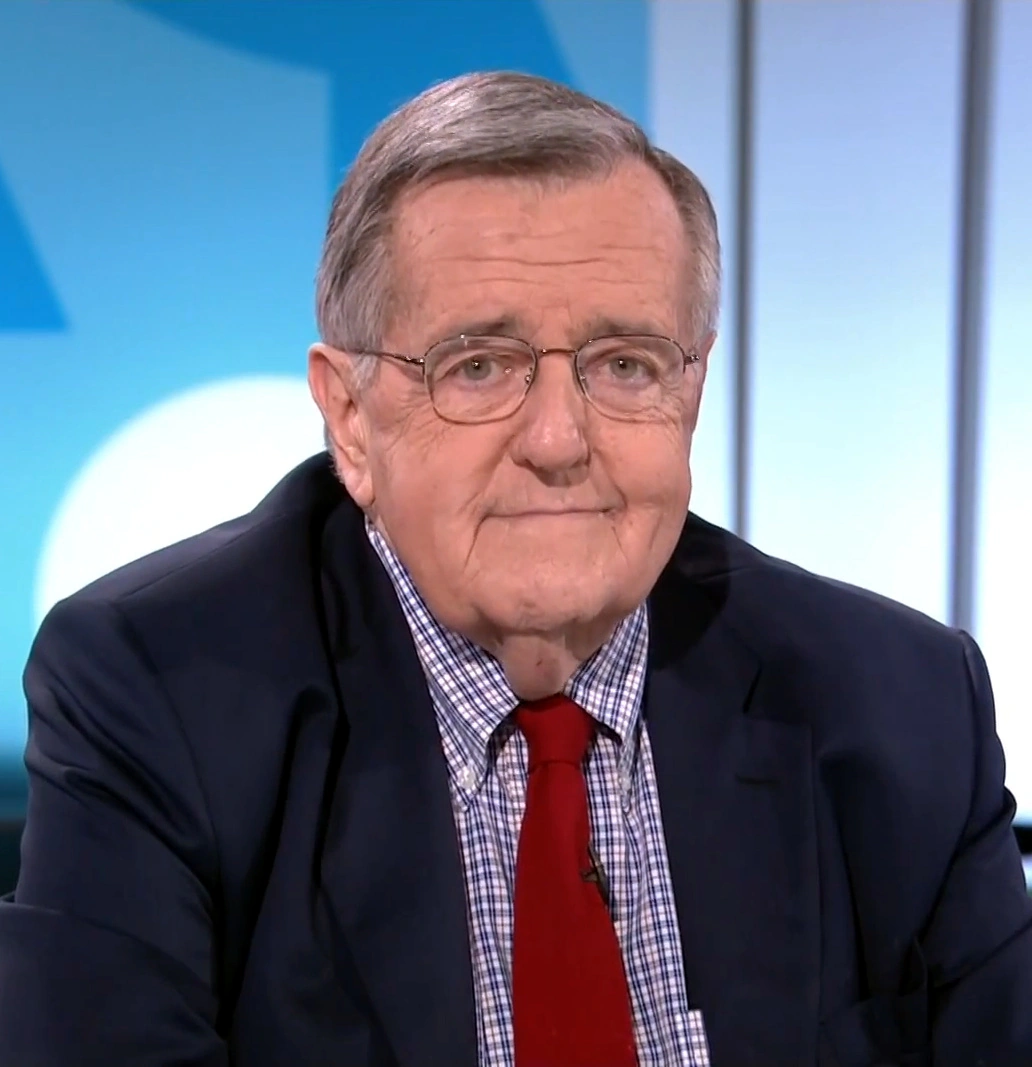
Attr: PBS NewsHour
| 25 Quotes | |
| Born as | Mark Stephen Shields |
| Occup. | Journalist |
| From | USA |
| Born | May 25, 1937 Weymouth, Massachusetts, USA |
| Died | June 18, 2022 Chevy Chase, Maryland, USA |
| Cause | Kidney failure |
| Aged | 85 years |
| Cite | |
Citation Formats
APA Style (7th ed.)
Mark shields biography, facts and quotes. (2026, February 11). FixQuotes. https://fixquotes.com/authors/mark-shields/
Chicago Style
"Mark Shields biography, facts and quotes." FixQuotes. February 11, 2026. https://fixquotes.com/authors/mark-shields/.
MLA Style (9th ed.)
"Mark Shields biography, facts and quotes." FixQuotes, 11 Feb. 2026, https://fixquotes.com/authors/mark-shields/. Accessed 26 Mar. 2026.
Early Life and Background
Mark Stephen Shields was born on May 25, 1937, in Weymouth, Massachusetts, into the thick midcentury world that produced both union Democrats and Cold War Republicans, parish life and civic boosterism, local newspapers and national television. That blend of neighborhood familiarity and national argument would become his natural habitat: politics as something you could argue about at the kitchen table, then translate into institutions, campaigns, and finally stories.He came of age as the United States moved from Roosevelt memory to Kennedy glamour to Vietnam fracture, and the social map of the electorate began to shift under every party label. Shields retained the instincts of an old-school, community-scaled political culture - the kind built on ward bosses, church basements, county fairs, and handshakes - even as he learned to interpret the new politics of media, ideology, and donor networks. His later on-air persona, genial but insistent, drew on that early sense that politics is not abstraction but a human system with consequences.
Education and Formative Influences
Shields attended the University of Maryland, where politics was not merely studied but lived, in proximity to Washington and its revolving doors of staff, lobbyists, and journalists. The era trained him in the grammar of modern American power: committees, coalitions, interest groups, and the permanent campaign. He also absorbed the journalist's discipline of listening for motive behind rhetoric - a habit that would define his commentary as more moral psychology than scoreboard.Career, Major Works, and Turning Points
Shields built his career in political journalism and commentary, becoming one of the most recognizable interpreters of American elections for public television audiences. He wrote the daily political column for the Washington Times and was widely read for a voice that could be partisan in history yet generous in judgment. His most enduring platform came through PBS, where he served for decades as the liberal half of a long-running bipartisan analysis on "The MacNeil/Lehrer NewsHour" and later "PBS NewsHour", first opposite Robert Novak and later alongside David Brooks, among others. The turning point was not a single scoop but a sustained craft: persuading viewers that politics is legible when you understand people, incentives, and local realities, not just national slogans. Shields died on June 18, 2022, after a public life spent making electoral mechanics feel like civic literature.Philosophy, Style, and Themes
Shields treated politics as a test of character under pressure, and he insisted that elections are moral stories as much as strategic contests. His commentary returned to voters as protagonists rather than background noise, and to candidates as bundles of temperament, habit, and biography. He liked campaigns when they expanded participation and when citizens acted like owners of the republic, not spectators; when politics collapsed into cynicism, he argued that the real loss was civic imagination. That is why his moral shorthand was blunt: “Character is destiny and character is important to American campaigns”. He was not naive about performance, but he believed that the long arc of leadership is governed by private instincts made public.Coalition-building was another anchor of his worldview, rooted in practical politics and an almost anthropological respect for organization. For Shields, power did not come from purity but from addition - persuading, assembling, and sustaining alliances across interests. He framed change as a numbers game with an ethical purpose: “There is always strength in numbers. The more individuals or organizations that you can rally to your cause, the better”. He could be wry about the limits of elected officials, noting their divided attention and crowded agendas, yet he kept faith in mass participation because it forces listening. In that same spirit, he emphasized threshold effects in democracy - the moment a cause becomes impossible to ignore: “When the size of the group supporting your cause reaches a critical mass, any legislator or elected official has to pay attention”. The inner logic of his style - warm, story-driven, thick with names and places - was to remind audiences that politics is a human network, not an online abstraction.
Legacy and Influence
Shields left an imprint as a model of civic-minded punditry: opinionated without contempt, historically grounded without pedantry, and attentive to the granular life of parties and precincts. In an age when television commentary often drifted toward performative outrage, he showed that persuasion can sound like conversation and that analysis can be rooted in biography, not branding. His long PBS tenure helped define a genre of bipartisan dialogue that made room for disagreement without nihilism, and his insistence on character, coalition, and citizen agency remains a durable framework for understanding American campaigns after him.Our collection contains 25 quotes written by Mark, under the main topics: Witty One-Liners - Justice - Leadership - Freedom - Honesty & Integrity.
Other people related to Mark: Margaret Carlson (Journalist), Robert Novak (Journalist)
Frequently Asked Questions
- Mark Shields obituary: PBS NewsHour commentator and columnist; died June 18, 2022 at 85 from kidney failure complications (obits: PBS, NYT, WaPo).
- Mark Shields cause of death: Complications of kidney failure (June 18, 2022).
- Mark Shields first wife: Anne Hudson Shields (his only wife).
- Mark Shields Football: No relation, the journalist had no professional football career (often confused with others named Mark Shields).
- Mark Shields illness: He died from complications of kidney failure; no widely publicized long-term illness.
- david brooks on Mark Shields' death: David Brooks called him a wise, generous, and decent colleague, offering a heartfelt PBS NewsHour tribute.
- How old was Mark Shields? He became 85 years old
Source / external links