
Mark Spitz Biography Quotes 31 Report mistakes
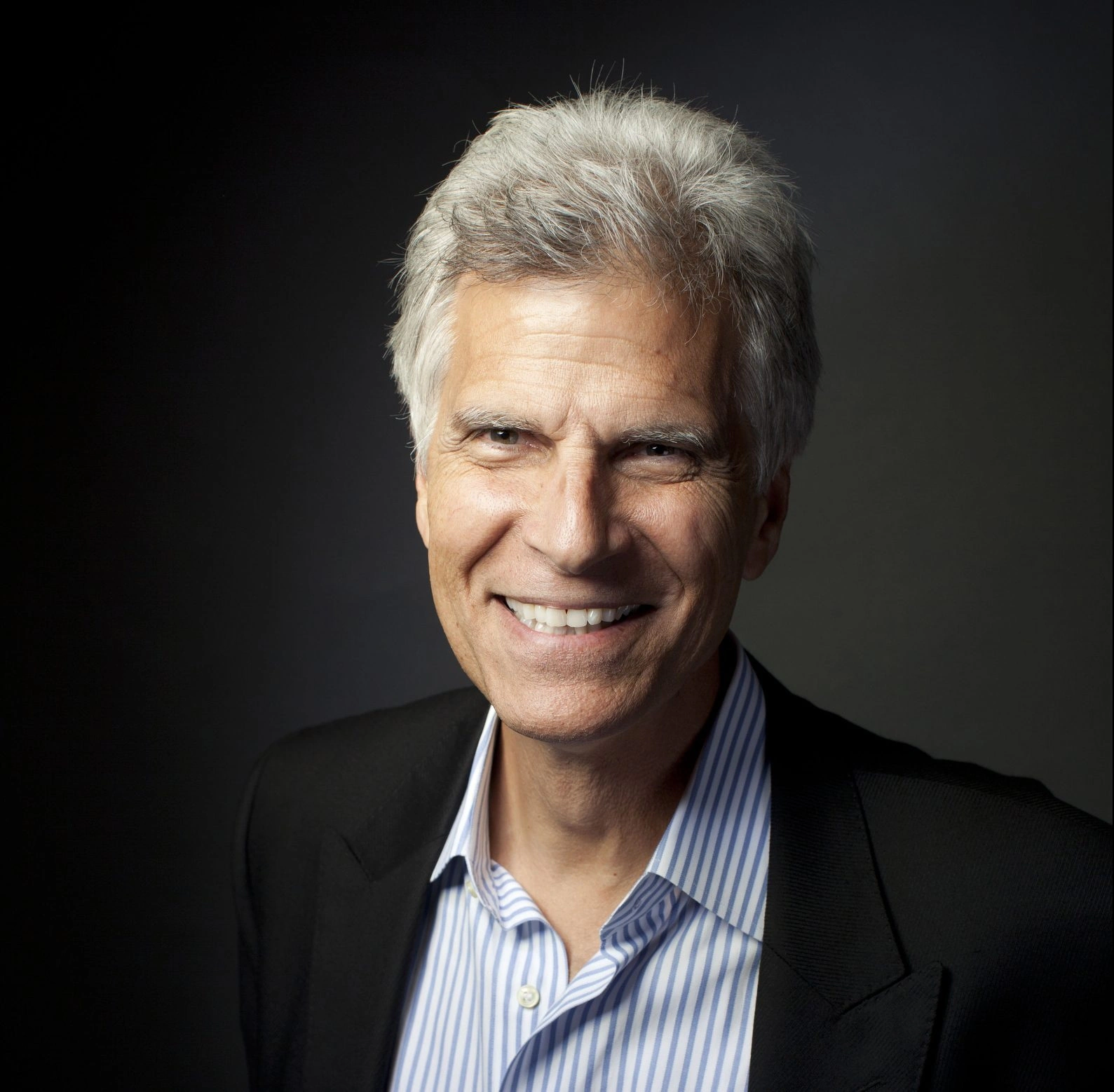
| 31 Quotes | |
| Occup. | Athlete |
| From | USA |
| Born | February 10, 1950 Modesto, California |
| Age | 76 years |
| Cite | |
Citation Formats
APA Style (7th ed.)
Mark spitz biography, facts and quotes. (2026, February 11). FixQuotes. https://fixquotes.com/authors/mark-spitz/
Chicago Style
"Mark Spitz biography, facts and quotes." FixQuotes. February 11, 2026. https://fixquotes.com/authors/mark-spitz/.
MLA Style (9th ed.)
"Mark Spitz biography, facts and quotes." FixQuotes, 11 Feb. 2026, https://fixquotes.com/authors/mark-spitz/. Accessed 28 Mar. 2026.
Early Life and Background
Mark Andrew Spitz was born on February 10, 1950, in Modesto, California, and grew up in a postwar America that treated sport as both civic theater and personal ladder. His family relocated to the Los Angeles area when he was young, placing him near the booming Southern California pool culture where sun, suburbia, and organized youth athletics fused into a distinct mid-century pipeline for champions. In that environment, swimming was not an eccentric specialty but a mainstream proving ground, with age-group meets doubling as social calendar and meritocracy.From early on Spitz seemed built for the lane: lean, fast-twitch, and unusually comfortable under the demands of repetition. Yet the outward ease often masked a temperament shaped by comparison and expectation. He learned to compete before he learned to perform for cameras, and the tension between private ambition and public projection would later become part of his mystique. The era also mattered - televised sport was swelling, and Olympic success was becoming a national narrative, giving any prodigy an audience long before adulthood.
Education and Formative Influences
Spitz trained in Southern California age-group systems and then at Santa Clara University, where he swam under coach George Haines, one of the dominant American developers of elite swimmers. The late 1960s were an arms race in technique, turns, and training volume; Spitz absorbed a scientific approach to speed while sharpening the theatrical confidence expected of a star. He also competed for the Indiana University program under Doc Counsilman, whose methods emphasized data, efficiency, and a ruthless clarity about what wins and what merely looks impressive - an education in both physiology and the psychology of preparation.Career, Major Works, and Turning Points
Spitz became an international figure as a teenager, making the 1968 Mexico City Olympics and leaving with two gold medals in relays, one silver, and one bronze - a triumph that still felt, to him, like unfinished business. The turning point came four years later in Munich in 1972, where he won seven gold medals and set world records in each event, an achievement that stood alone for decades. The feat was athletic and logistical: multiple heats, finals, and relay responsibilities compressed into a schedule that punished any lapse in recovery or focus. Munich also unfolded under the shadow of the terrorist attack on the Israeli team, a moral rupture that changed how athletes experienced the Games; as a prominent Jewish American, Spitz moved through heightened security and immediate historical gravity, then left Germany quickly. After Munich he retired at 22, stepping away near his peak and turning his fame toward endorsements and public life, a choice that preserved the legend as much as it limited further records.Philosophy, Style, and Themes
Spitzs swimming was defined by pace discipline, long stroke economy, and an ability to reproduce speed under fatigue across different strokes - butterfly and freestyle foremost. He was not simply a sprinter; he was a meet manager, treating energy like currency and ego like a tool to steady nerves. Underneath the mustache and bravado was a competitor shaped by the fear of being ordinary for even a moment. His success depended on turning anxiety into routine: warm-up, split times, turns, and the mental rehearsal that makes a final feel pre-lived.His own remarks reveal a personality drawn to controllable inputs and unsentimental outcomes. “If you fail to prepare, you're prepared to fail”. That line is less a slogan than a confession: preparation was his antidote to the randomness he tasted in 1968, when one extraordinary swim by someone else could rearrange destiny. His candor about motivation could be sharp: “Swimming isn't everything, winning is”. Rather than nihilism, it reads as a defense against distraction - he stripped the sport of romance so the goal stayed brutally clear. Yet he also framed his career as an experiment in limits more than identity: “It has nothing to do with swimming. That happens to be my sport. I'm trying to see how far I can go”. The inner theme is self-measurement: swimming was the laboratory, victory the proof, and the deeper pursuit was mastery over doubt.
Legacy and Influence
Spitz remains a hinge figure between old and modern Olympic celebrity: a technician forged in club systems and coaching science, then amplified by television into a global emblem of American prowess. His seven golds in Munich became a benchmark for dominance and a template for multi-event strategy later pursued by swimmers such as Michael Phelps, while his early retirement helped romanticize the idea of the athlete who exits at the summit. Beyond records, his lasting influence is psychological - the notion that greatness is manufactured through preparation, repetition, and the willingness to define oneself by performance under pressure, even when history intrudes on sport and makes the pool feel like only one arena among many.Our collection contains 31 quotes written by Mark, under the main topics: Motivational - Music - Love - Victory - Sports.