
Martin Farquhar Tupper Biography Quotes 10 Report mistakes
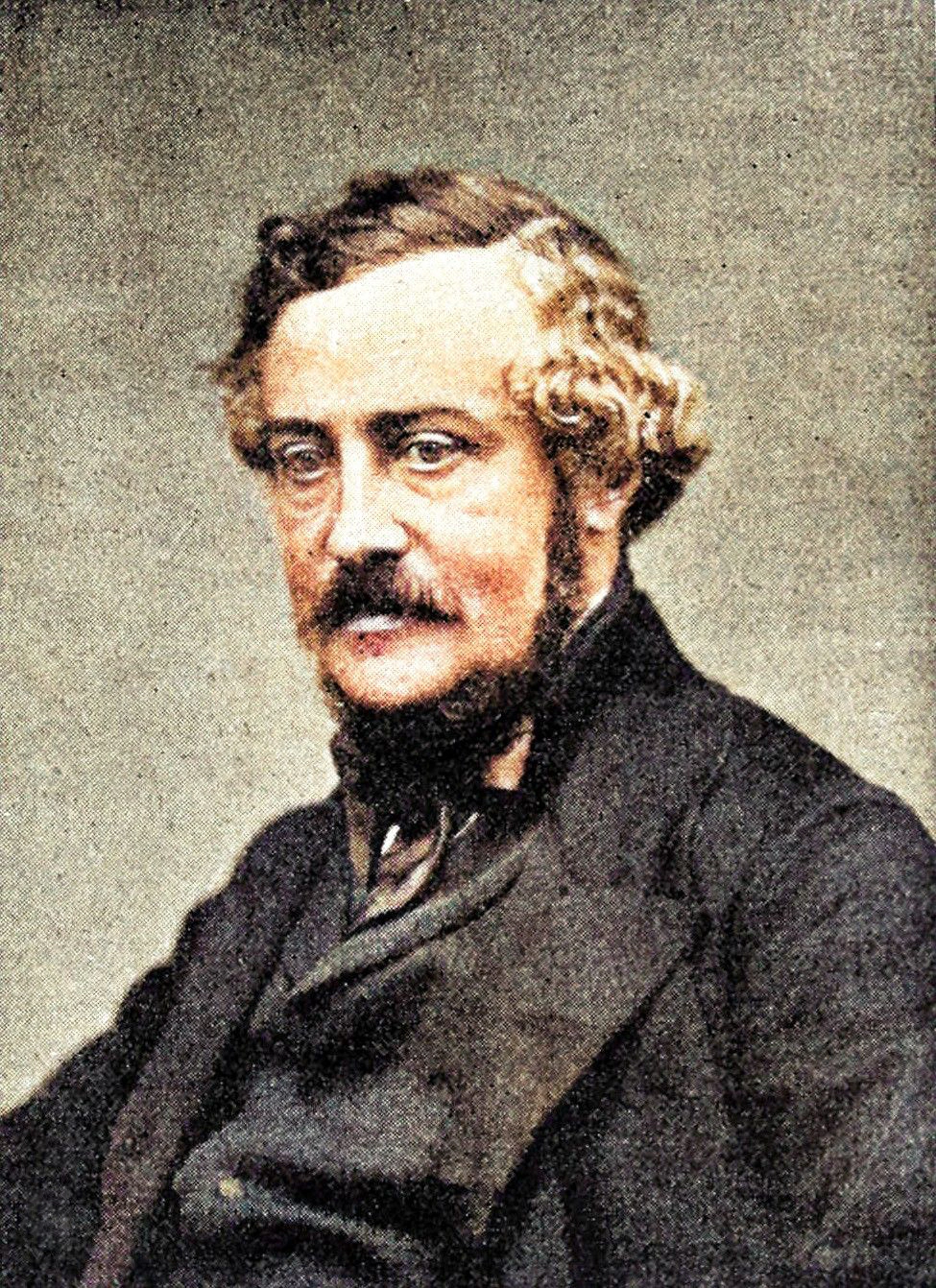
Attr: Maull & Fox
| 10 Quotes | |
| Occup. | Writer |
| From | England |
| Born | November 10, 1810 Devonshire Place, London, England |
| Died | November 28, 1889 |
| Aged | 79 years |
| Cite | |
Citation Formats
APA Style (7th ed.)
Martin farquhar tupper biography, facts and quotes. (2026, February 11). FixQuotes. https://fixquotes.com/authors/martin-farquhar-tupper/
Chicago Style
"Martin Farquhar Tupper biography, facts and quotes." FixQuotes. February 11, 2026. https://fixquotes.com/authors/martin-farquhar-tupper/.
MLA Style (9th ed.)
"Martin Farquhar Tupper biography, facts and quotes." FixQuotes, 11 Feb. 2026, https://fixquotes.com/authors/martin-farquhar-tupper/. Accessed 26 Mar. 2026.
Early Life and Background
Martin Farquhar Tupper was born on November 10, 1810, in London, into a middle-class, professionally connected England that was reshaping itself through industrial growth, expanding print culture, and a vigorous Evangelical public sphere. He came of age under the long shadow of the Napoleonic aftermath and the Reform-era debates that redefined political voice and moral responsibility. In that climate, the idea that literature should improve the reader - not merely delight - was not a private quirk but a public expectation, and it became the central premise of his career.Family stability and metropolitan proximity to publishers, parliament, and pulpit gave Tupper a sense of England as both stage and schoolroom. His temperament tended toward earnestness and moral confidence, but also toward anxious self-justification - the drive to explain, persuade, and be useful. That psychological mixture, reinforced by Victorian respectability, would later make him immensely popular and then suddenly unfashionable, as the culture shifted from didactic uplift toward irony, aestheticism, and psychological realism.
Education and Formative Influences
Tupper was educated in the English classical tradition and trained for the law, studying at Oxford (Christ Church) and entering Lincoln's Inn, eventually qualifying and practicing as a barrister. The legal habit of framing maxims and arguing from first principles shaped his literary voice: he wrote as if addressing a jury of the nation, confident that clear moral propositions could steady private life and public conduct. His formative reading drew on the Bible, the English moralists, and the period's appetite for aphorism and devotional reflection; he absorbed the Victorian fusion of piety, domestic virtue, and social improvement, and he aimed his writing at the broad, newly literate middle public that wanted counsel as much as art.Career, Major Works, and Turning Points
Though trained in law, Tupper became famous as a writer with Proverbial Philosophy (first published in the 1830s and widely reprinted), a sprawling sequence of sententious, rhythmically arranged moral reflections that struck contemporary readers as elevated and practical. The work made him one of the most widely read poets in mid-Victorian Britain and a household name in the English-speaking world, with translations and gift-book prestige; it also made him a magnet for backlash as literary taste hardened against what later critics saw as inflated wisdom and easy uplift. He continued to publish poetry, essays, and travel writing and remained visible in public life for decades, but the turning point was the late-century reassessment of Victorian rhetoric itself: the same confidence that once sounded clarifying came to sound complacent, and Tupper's reputation shrank even as his phrases lingered.Philosophy, Style, and Themes
Tupper's inner life is most legible in his need to bind emotion to rule. He distrusted impulse unless harnessed to conscience, and he treated speech as a moral instrument that could misfire as easily as it could heal. “Well-timed silence hath more eloquence than speech”. The sentence reads like a social maxim, but psychologically it reveals a man wary of the harm done by exhibition - the fear that verbosity, including his own, might dilute authority. His work repeatedly tries to solve the same problem: how to live ardently without becoming chaotic, how to be sincere without becoming merely self-expressive.His style - loosely biblical cadence, balanced clauses, and a parade of general truths - was built to be remembered, quoted, and shared, which matched a culture of family reading and improving conversation. Yet the themes are not only public; they are self-soothing strategies for a mind that anticipated reversals. “Pain adds rest unto pleasure, and teaches the luxury of health”. This is consolation, but also a kind of discipline: suffering becomes a tutor rather than a threat. And in his most characteristic reach toward the transcendent, he portrays human agency as small but effective when aligned with faith: “Prayer is the slender nerve that moves the muscle of omnipotence”. The image is at once humble and audacious, suggesting a person who needed to believe that private devotion could still matter amid the vast machinery of modern life.
Legacy and Influence
Tupper's lasting significance is less in canonical prestige than in what his career demonstrates about Victorian readership: the age's hunger for moral clarity, portable wisdom, and literature as daily equipment. Proverbial Philosophy helped standardize a popular mode of ethical verse that traveled easily through sermons, classrooms, and parlor recitation, and its rise and fall tracks the shift from didactic confidence to modern skepticism about easy aphorism. Even where his name faded, the Victorian idea he embodied - that writing should counsel character and steady the will - continued to shape self-help literature, devotional quotation culture, and the broader tradition of the maxim as a tool for living.Our collection contains 10 quotes written by Martin, under the main topics: Wisdom - Parenting - Book - Health - Self-Discipline.
Martin Farquhar Tupper Famous Works
- 1854 Heart: A Social Novel (Novel)
- 1851 The Twins (Book)
- 1847 An Author's Mind (Book)
- 1844 The Crock of Gold (Book)
- 1838 Proverbial Philosophy (Book)
Source / external links