
Mary Chesnut Biography Quotes 10 Report mistakes
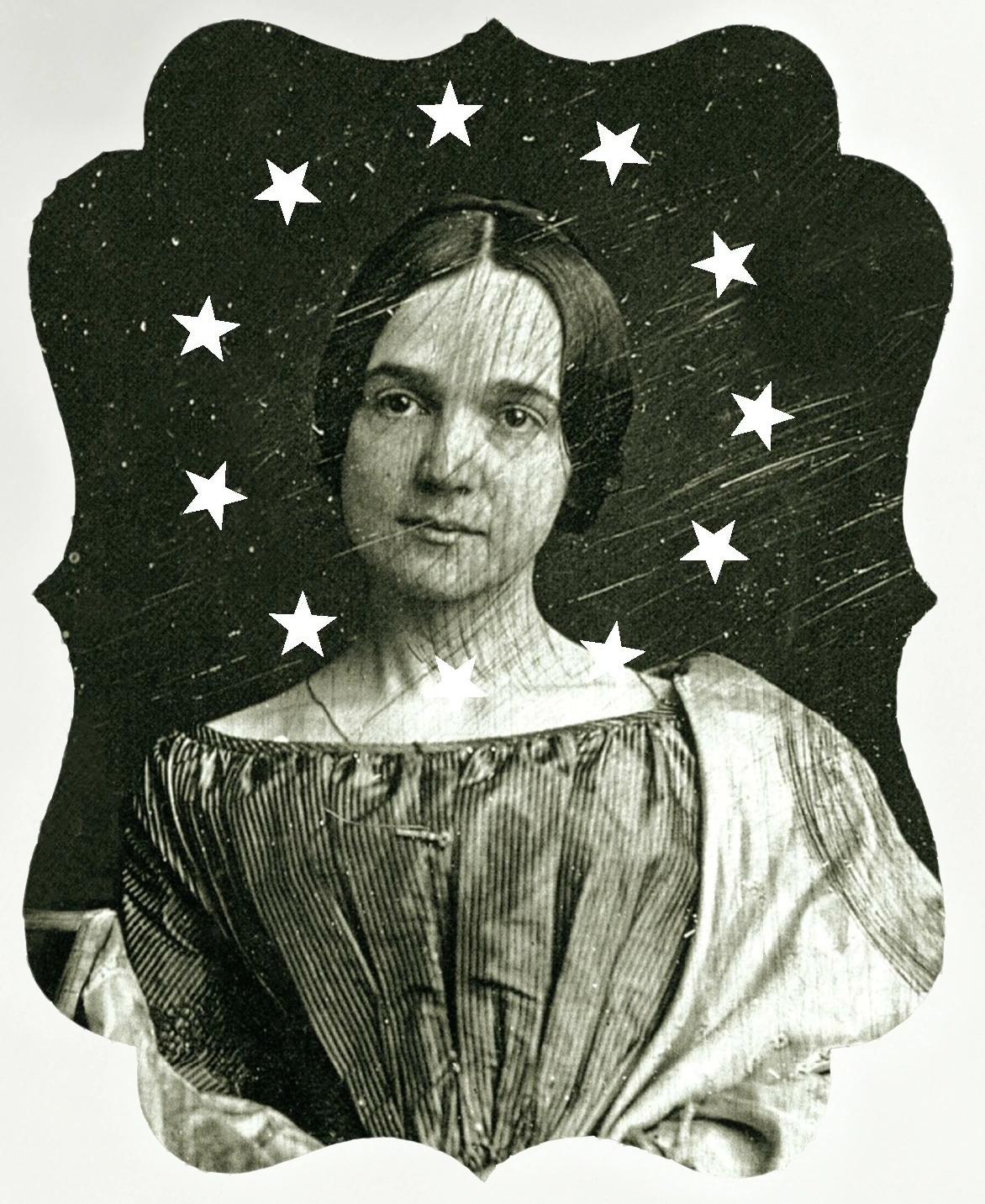
| 10 Quotes | |
| Born as | Mary Boykin Miller |
| Occup. | Author |
| From | USA |
| Born | March 31, 1823 Stateburg, South Carolina, U.S. |
| Died | November 22, 1886 |
| Aged | 63 years |
| Cite | |
Citation Formats
APA Style (7th ed.)
Mary chesnut biography, facts and quotes. (2026, February 11). FixQuotes. https://fixquotes.com/authors/mary-chesnut/
Chicago Style
"Mary Chesnut biography, facts and quotes." FixQuotes. February 11, 2026. https://fixquotes.com/authors/mary-chesnut/.
MLA Style (9th ed.)
"Mary Chesnut biography, facts and quotes." FixQuotes, 11 Feb. 2026, https://fixquotes.com/authors/mary-chesnut/. Accessed 2 Mar. 2026.
Early Life and Background
Mary Boykin Miller was born March 31, 1823, into South Carolina's planter aristocracy, a world balanced on land, enslaved labor, and political intimacy with the state. Her father, Stephen Decatur Miller, rose as governor and U.S. senator, and her mother, Mary Boykin, brought a cultivated Lowcountry lineage that valued wit, books, and social command. From the start, Mary absorbed the habits of a class trained to narrate itself - to defend its prerogatives in drawing rooms as much as in legislatures.Yet her childhood was not simply satin and certainty. The family moved between upcountry and Lowcountry settings, and the public life of her father meant early exposure to ambition, volatility, and the way power speaks in private. Those experiences helped form the double vision that would later define her writing: tenderness for home and kin alongside an increasingly unsparing eye for the moral corrosion beneath the Old South's elegance.
Education and Formative Influences
Mary was educated in Charleston, including time at Mme. Talvande's French school, where disciplined language study and cosmopolitan reading sharpened her sense of style and irony. French, British, and American literature gave her models for the intimate, analytic journal and the satiric social sketch, while the politics surrounding her father acclimated her to argument and to the theater of public virtue. That mix - salon polish and political backstage access - prepared her to write from inside the Confederacy without surrendering her capacity to judge it.Career, Major Works, and Turning Points
In 1840 she married James Chesnut Jr., later a U.S. senator and, after secession, a Confederate official and aide to Jefferson Davis; their childless marriage, affectionate yet strained by his absences and her own restlessness, positioned her near the center of Southern power. Mary began keeping the journal that would become her masterwork in February 1861, witnessing the secession winter and, from Charleston, the opening of war at Fort Sumter; she later moved through Richmond and other Confederate hubs, recording leaders, rumors, battlefield grief, and the brittle glamour of a society improvising itself under siege. After Appomattox, the Chesnuts faced financial ruin; James died in 1885, and Mary, increasingly ill, worked to reshape her war diaries into a publishable literary form, revising them with the techniques of a novelist while trying to preserve the moral shock of what she had seen. She died November 22, 1886, in Camden, South Carolina; the journals reached the public decades later, culminating in a major twentieth-century edition that confirmed her as one of the Civil War's essential witnesses.Philosophy, Style, and Themes
Chesnut wrote with the nervous energy of someone born to command a room yet trapped in a historical avalanche. Her signature method is intimacy without innocence: she prizes gossip because it reveals structures - sexual power, class coercion, political vanity - that formal histories polish away. The diary voice flickers between performance and confession, using humor as armor and observation as revolt. In her impatience with Confederate leadership she sounds like a patriot who cannot stop thinking, the kind of mind that loves its people and therefore refuses to flatter them.Her psychology is clearest when she frames power as a repeating human pattern rather than a regional peculiarity: “Brutal men with unlimited power are the same all over the world”. The sentence is a key to her treatment of slavery, especially her searing attention to white men's sexual exploitation of enslaved women and the social lies that protected it; she notices how "family" can be both refuge and weapon. Even as illness, bereavement, and defeat close in, she clings to a cultivated defiance that is more than wit - it is survival as an aesthetic choice: “I will laugh at the laughable while I breathe”. And her declared allegiance, “I am always on the women's side”. , is not a slogan but a critical lens: she measures war by what it does to rooms where women wait, to bodies that bear children, to reputations policed by custom, and to the invisible labor that keeps catastrophe presentable.
Legacy and Influence
Mary Chesnut endures because she joined firsthand access to a novelist's sense of scene and motive, producing a record that is at once documentary and literary - a portrait of Confederate society written from within its parlors but against its evasions. Her journal shaped modern understandings of the Civil War's home front, the Confederacy's inner politics, and slavery's intimate violence, and it became a touchstone for historians, feminists, and writers seeking a truthful voice inside compromised loyalties. More than a diarist, she is a moral psychologist of a collapsing order, and her best pages still feel contemporary: fast, unsentimental, and unwilling to let beauty excuse cruelty.Our collection contains 10 quotes written by Mary, under the main topics: Witty One-Liners - Justice - Mortality - Writing - Meaning of Life.
Mary Chesnut Famous Works
- 1905 A Diary from Dixie (Diary)
Source / external links