
Mary Kay Ash Biography Quotes 30 Report mistakes
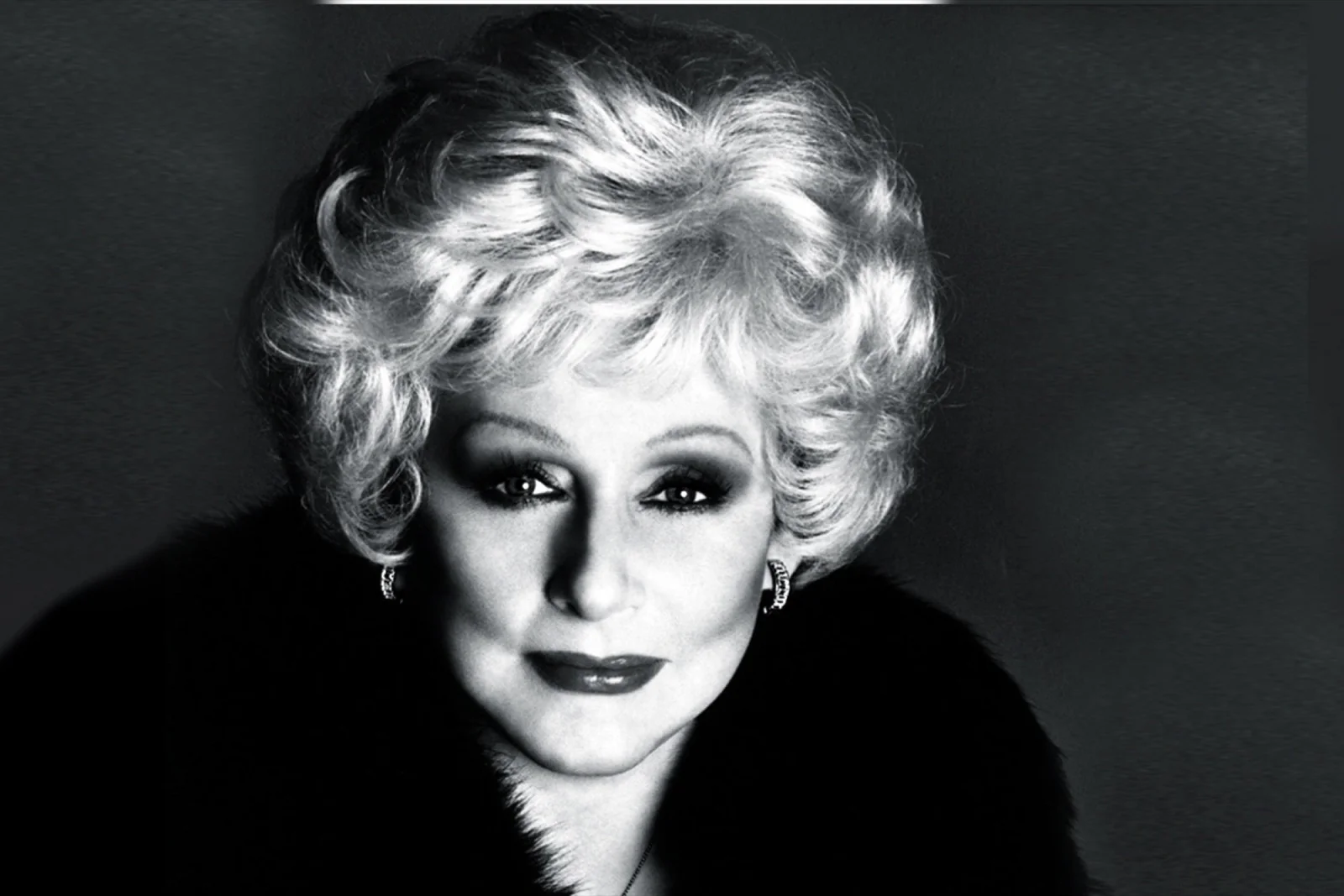
| 30 Quotes | |
| Occup. | Businesswoman |
| From | USA |
| Born | May 12, 1918 Hot Wells, Texas, USA |
| Died | November 22, 2001 Dallas, Texas, USA |
| Cause | Natural Causes |
| Aged | 83 years |
| Cite | |
Citation Formats
APA Style (7th ed.)
Mary kay ash biography, facts and quotes. (2026, February 2). FixQuotes. https://fixquotes.com/authors/mary-kay-ash/
Chicago Style
"Mary Kay Ash biography, facts and quotes." FixQuotes. February 2, 2026. https://fixquotes.com/authors/mary-kay-ash/.
MLA Style (9th ed.)
"Mary Kay Ash biography, facts and quotes." FixQuotes, 2 Feb. 2026, https://fixquotes.com/authors/mary-kay-ash/. Accessed 26 Mar. 2026.
Early Life and Background
Mary Kathlyn Wagner was born on May 12, 1918, in Hot Wells, Texas, a working-class corner of San Antonio shaped by post-World War I volatility and the long shadow of the Great Depression. Her father was ill for much of her childhood, and the household economy relied heavily on her mother, who worked outside the home. From an early age Ash absorbed the emotional arithmetic of scarcity - how quickly dignity can erode when pay is uncertain, and how competence becomes a kind of shelter. The South she grew up in offered women narrow scripts: marry, endure, and be grateful. Ash quietly treated those scripts as provisional.As a young girl she often cooked by telephone, taking instructions from her mother during the workday - a practical intimacy that later became one of her defining habits: turning ordinary tasks into systems and then teaching the system. That mix of necessity and instruction formed a bedrock for her later leadership style, which prized clear rules, warmth, and momentum. She married young, became a mother, and felt firsthand the era's double bind: the culture celebrated women's labor inside the home while undervaluing their ambition outside it.
Education and Formative Influences
Ash did not have elite schooling or the credentialed path common to mid-century corporate executives; her education was largely experiential, built in offices, sales territories, and kitchens, and reinforced by voracious reading in self-help, faith-based motivation, and business instruction. In the mid-20th century, when many companies treated women as temporary staff rather than future leaders, she learned to treat every job as an apprenticeship in human behavior - how people respond to praise, how resentment forms when effort is ignored, and how goals feel believable only when broken into rituals.Career, Major Works, and Turning Points
After early work in direct sales, Ash rose at Stanley Home Products and then spent years at World Gift Company, where she trained recruits and drove sales, only to watch male colleagues promoted past her and paid more for the same work - a pattern that crystallized her belief that the marketplace wasted talent by confusing gender with capacity. In 1963, in Dallas, she founded Mary Kay Cosmetics (later Mary Kay Inc.) with a small product line and the support of her son Richard Rogers, building a direct-sales model centered on independent beauty consultants, community recognition, and a moralized business culture. The company expanded rapidly through the 1970s and 1980s, famous for pink Cadillacs, status ceremonies, and a sales force that offered many women flexible income before "flex work" had a name. Her autobiography and business manual, "Mary Kay", and the later "Miracles Happen", codified her methods into a portable philosophy, turning the company into both a commercial enterprise and a self-improvement institution.Philosophy, Style, and Themes
Ash's inner life was marked by a tension between gentleness and steel. She presented success as accessible, but not free; behind the pageantry was a discipline of quotas, calls, and relentless follow-up. Her leadership was intensely relational, rooted in the conviction that esteem is fuel. “No matter how busy you are, you must take time to make the other person feel important”. In practice this meant handwritten notes, public praise, and ceremonies that translated private effort into public identity - a corrective, she believed, to the invisibility many women felt in workplaces and marriages. It also functioned as a management technology: recognition reduced turnover, and belonging improved performance.At the same time, she cultivated a myth of defiant possibility that spoke to people trained to doubt themselves. “Aerodynamically, the bumble bee shouldn't be able to fly, but the bumble bee doesn't know it so it goes on flying anyway”. The metaphor reveals her psychological strategy: bypass the gatekeepers by refusing their premises. Yet her optimism was not purely sentimental; it rested on a hard metric she repeated in various forms - that people, not products, make companies durable. “A company is only as good as the people it keeps”. The theme running through her books and speeches is that self-worth can be engineered through habits: faith, family priorities, work routines, and constant encouragement, all reinforced by visible symbols of advancement.
Legacy and Influence
Mary Kay Ash died on November 22, 2001, after decades in which her name became shorthand for female entrepreneurship, motivational management, and the modernization of direct selling in the United States. Admirers credit her with opening economic space for women who were excluded from corporate ladders and with proving that "soft" skills - praise, listening, ritual - could scale into a multinational business. Critics have debated the broader direct-sales industry she helped popularize, including its high-pressure incentives and the blurred line between empowerment and persuasion. Still, her central idea endures across management culture and social media-era coaching alike: that confidence and performance rise fastest in environments where people feel seen, celebrated, and capable of more than their resumes suggest.Our collection contains 30 quotes written by Mary, under the main topics: Witty One-Liners - Motivational - Never Give Up - Leadership - Honesty & Integrity.
Mary Kay Ash Famous Works
- 2003 Miracles Happen: The Life and Timeless Principles of the Founder of Mary Kay Inc. (Non-fiction)
- 1995 Mary Kay: You Can Have It All (Autobiography)
- 1984 Mary Kay on People Management (Non-fiction)
- 1981 Mary Kay (Autobiography)
Source / external links