
Mary Renault Biography Quotes 8 Report mistakes
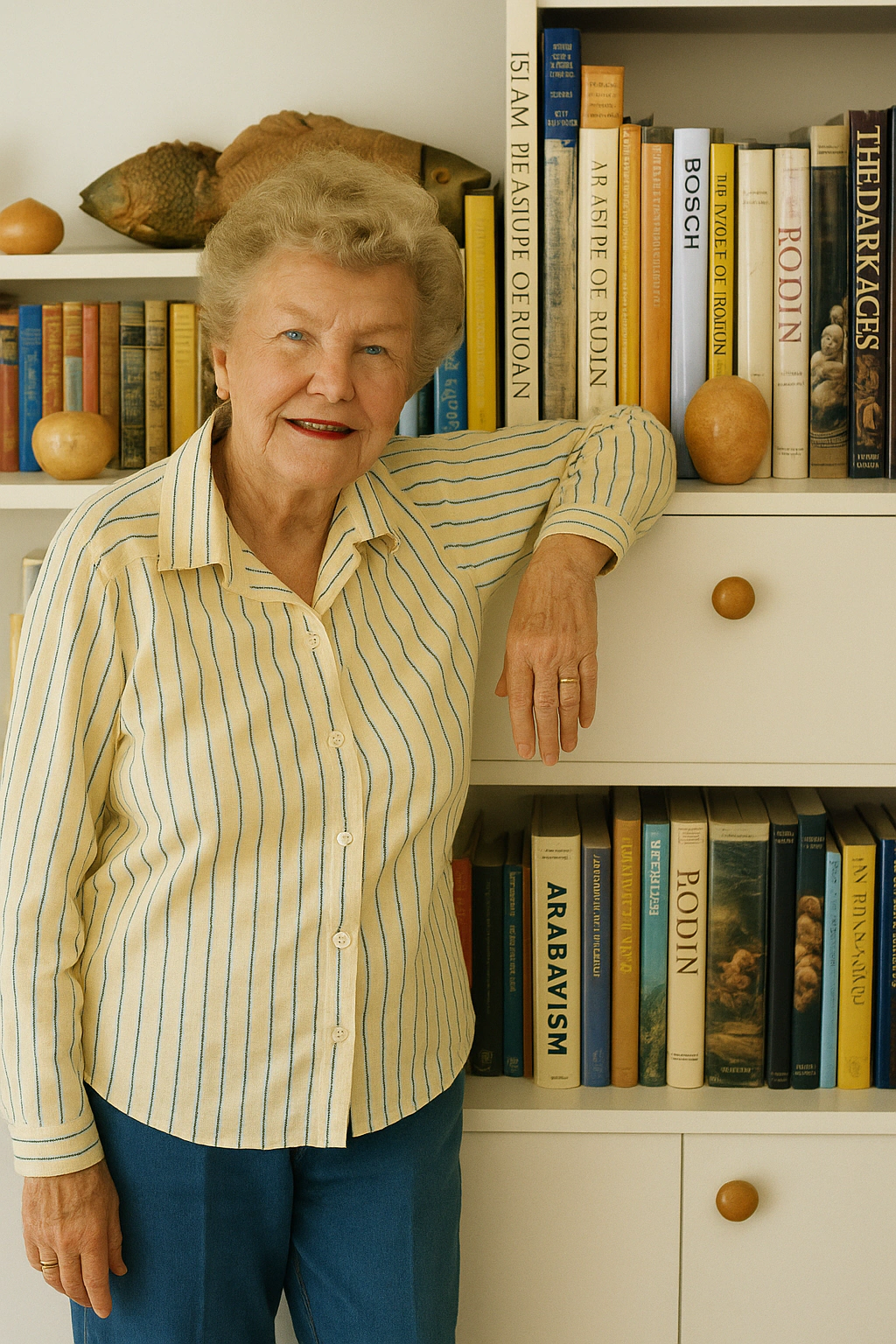
| 8 Quotes | |
| Born as | Eileen Mary Challans |
| Occup. | Novelist |
| From | England |
| Born | September 4, 1905 Forest Gate, Essex, England |
| Died | December 13, 1983 Durban, South Africa |
| Aged | 78 years |
| Cite | |
Citation Formats
APA Style (7th ed.)
Mary renault biography, facts and quotes. (2026, February 11). FixQuotes. https://fixquotes.com/authors/mary-renault/
Chicago Style
"Mary Renault biography, facts and quotes." FixQuotes. February 11, 2026. https://fixquotes.com/authors/mary-renault/.
MLA Style (9th ed.)
"Mary Renault biography, facts and quotes." FixQuotes, 11 Feb. 2026, https://fixquotes.com/authors/mary-renault/. Accessed 6 Mar. 2026.
Early Life and Education
Mary Renault was born Eileen Mary Challans on 4 September 1905 in England. She grew up in a milieu that valued learning and books, inclinations that carried her to Oxford, where she read English at St Hugh's College. The classical authors she encountered there, and the disciplined attention to language that an Oxford education demanded, would shape both the ambitions and the textures of her later fiction. Although she did not write autobiographically about her childhood, she later suggested that the imaginative freedom she found in literature offered a counterweight to the constraints and expectations that surrounded young women of her generation. After taking her degree she trained as a nurse, a practical decision that also provided the material and settings for her first published work.Nursing and First Novels
Renault trained and worked at the Radcliffe Infirmary in Oxford. The hospital wards, with their compressed dramas of illness, duty, and intimacy, furnished the world of her debut, Purposes of Love (1939), and several subsequent contemporary novels. These early books examined ethical dilemmas, professional pressures, and the tensions between desire and convention. In The Friendly Young Ladies (1943), she wrote with wit and irreverence about women in a same-sex relationship, challenging solemn or pathologizing treatments of lesbian lives then current in English letters. Return to Night (1947) and North Face (1948) continued her exploration of modern relationships, class, and vocation, while her prose grew leaner and more classical in its poise.Partnership with Julie Mullard
A decisive personal event of Renault's nursing years was meeting Julie Mullard, a fellow nurse who became her life partner. Their relationship, founded on companionship, shared work, and mutual protection, anchored Renault's private world for decades. Mullard read drafts, steadied finances, and managed practical affairs so that Renault could keep to the rigorous habits of research and writing that sustained her career. Friends and colleagues recognized Mullard as central to Renault's life, and the stability of their partnership gave Renault the freedom to take artistic risks.Emigration to South Africa
In 1948 Renault and Mullard left Britain for South Africa, where they built a household and a working routine that placed writing at the center. The move also offered a degree of privacy at a time when British society remained hostile to open discussion of same-sex relationships. In South Africa Renault completed The Charioteer (1953), her most accomplished contemporary novel, set during the Second World War and animated by a moral vision drawn from Plato's image of the soul as a charioteer. The book's candid treatment of gay love impeded its early publication in some markets, but readers found in it a rare combination of emotional honesty and classical measure.Turning to the Ancient World
With The Last of the Wine (1956), Renault turned decisively to historical fiction set in classical Greece. The novel immerses readers in the aftermath of the Peloponnesian War, bringing figures such as Socrates into vivid, lived contact with her protagonists. She went on to reimagine myth in The King Must Die (1958) and its sequel The Bull from the Sea (1962), presenting Theseus as a plausible Bronze Age leader rather than a creature of marvels. The Mask of Apollo (1966) explored theater, politics, and philosophy through the eyes of an actor moving among the courts of Syracuse. Renault grounded these novels in close reading of ancient sources and on-the-ground research, aiming for historical probability and psychological truth rather than antiquarian display.Alexander the Great and a Landmark Trilogy
Renault's most influential work concerns Alexander the Great. Fire from Heaven (1969) traces his youth; The Persian Boy (1972) narrates the later campaigns through the voice of Bagoas; Funeral Games (1981) follows the struggles that engulfed his successors. She complemented the trilogy with The Nature of Alexander (1975), a nonfiction study that distilled her arguments about sources, character, and motive. In these works she treated Alexander not as a remote conqueror but as a complex personality shaped by mentorship, friendship, and ambition. Her portrayals of relationships, including Alexander's bond with Hephaestion, drew on classical ideals of philia and eros without forcing them into modern categories.Craft, Sources, and Working Life
Renault read Plutarch, Thucydides, Xenophon, Herodotus, and the tragedians with a novelist's alertness to voice and motive. She used spare, lucid prose to suggest a world rather than explain it, avoiding anachronistic gloss. Research and composition were disciplined: mornings for drafting, afternoons for revising or reading. Mullard helped maintain this rhythm, handling correspondence and insulating Renault from distractions. Editors and publishers appreciated her exacting standards; she was known to rework a passage repeatedly until it matched the cadence and clarity she demanded.Reception and Debate
Readers embraced Renault's Greece for its immediacy, moral seriousness, and quietly radical insistence that same-sex love could be heroic and ordinary at once. Critics sometimes disputed her interpretations of ancient sexuality or politics, and some classicists challenged particular historical inferences, yet many acknowledged the integrity of her method. The Charioteer earned a devoted following for giving postwar gay readers a narrative of courage without tragedy. Her handling of female characters provoked debate, as did her skepticism toward identity-based politics, but across disagreements she retained a reputation for intellectual candor and artistic consistency.Later Years and Death
Renault spent her later decades in South Africa, writing, hosting friends, and traveling for research when needed. The Praise Singer (1978) returned to an earlier Greece through the life of a poet, while Funeral Games closed her long engagement with the world that Alexander remade. She and Julie Mullard remained partners to the end, their household a modest, orderly base for work and conversation. Mary Renault died on 13 December 1983 in Cape Town. Those close to her recalled a private person who valued precision in language, loyalty in friendship, and the sustaining partnership that made her books possible.Legacy
Renault helped redefine what historical fiction could do, showing that the ancient world could be rendered with psychological depth and ethical reach without sacrificing narrative drive. She opened imaginative space for representing queer lives with dignity, influencing generations of readers and writers who found in her work a humane classicism: a belief that the past is best honored by recreating it as lived experience. The partnership of Mary Renault and Julie Mullard stands at the heart of that achievement, a personal alliance that underwrote a body of fiction still read for its clarity, courage, and craft.Our collection contains 8 quotes written by Mary, under the main topics: Wisdom - Art - Free Will & Fate - Financial Freedom - Betrayal.
Frequently Asked Questions
- Mary Renault Amazon: Her books are available on Amazon in paperback, Kindle, and Audible; search "Mary Renault" for the author page.
- Mary Renault The Charioteer: A 1953 WWII novel about a wounded soldier’s love and loyalty; a landmark gay classic.
- Mary Renault Alexander: She wrote the Alexander trilogy - Fire from Heaven, The Persian Boy, Funeral Games - plus the biography The Nature of Alexander.
- Mary Renault biography: Eileen Mary Challans (1905-1983), English novelist; Oxford-educated nurse turned writer; moved to South Africa with partner Julie Mullard; famed for Greek historical novels (Alexander trilogy, Theseus duology).
- Mary Renault books ranked: 1. The Persian Boy; 2. Fire from Heaven; 3. The Charioteer; 4. The King Must Die; 5. The Bull from the Sea; 6. Funeral Games; 7. The Mask of Apollo; 8. The Last of the Wine.
- How old was Mary Renault? She became 78 years old
Source / external links