
Mary Wortley Montagu Biography Quotes 19 Report mistakes
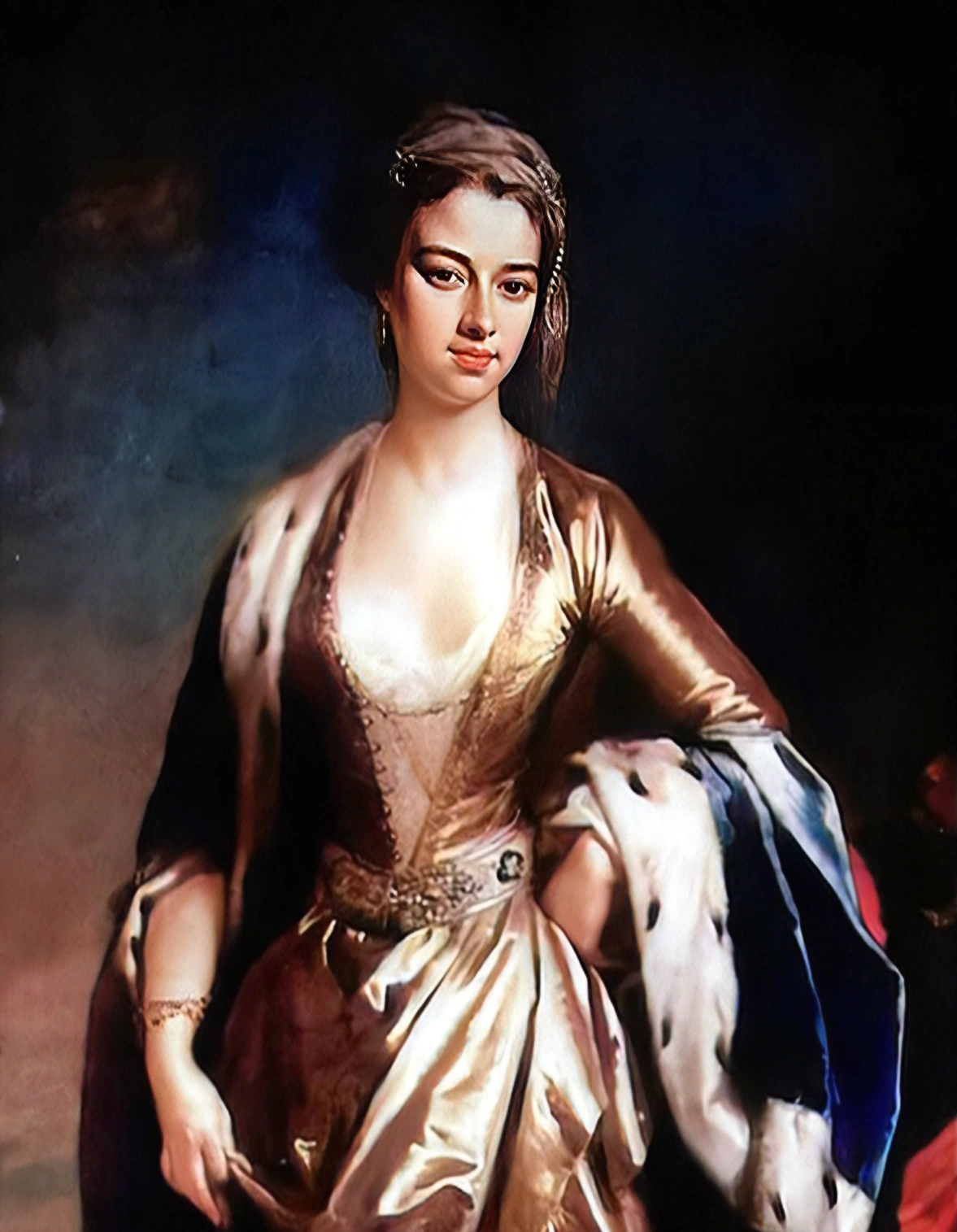
| 19 Quotes | |
| Born as | Mary Pierrepont |
| Known as | Lady Mary Wortley Montagu |
| Occup. | Writer |
| From | England |
| Spouse | Edward Wortley Montagu (1712-1761) |
| Born | May 26, 1689 Holme Pierrepont Hall, Nottinghamshire, England |
| Died | August 21, 1762 London, England |
| Aged | 73 years |
| Cite | |
Citation Formats
APA Style (7th ed.)
Mary wortley montagu biography, facts and quotes. (2026, February 22). FixQuotes. https://fixquotes.com/authors/mary-wortley-montagu/
Chicago Style
"Mary Wortley Montagu biography, facts and quotes." FixQuotes. February 22, 2026. https://fixquotes.com/authors/mary-wortley-montagu/.
MLA Style (9th ed.)
"Mary Wortley Montagu biography, facts and quotes." FixQuotes, 22 Feb. 2026, https://fixquotes.com/authors/mary-wortley-montagu/. Accessed 21 Mar. 2026.
Early Life and Background
Mary Pierrepont was born 26 May 1689 in England into the Whig-leaning aristocracy, the eldest daughter of Evelyn Pierrepont, later 1st Duke of Kingston-upon-Hull. She grew up between London and the family estates at a moment when the Glorious Revolution had just reset the terms of monarchy, religion, and party power. The household gave her what rank could offer - access to books, visitors, and political talk - but also what rank demanded: marriage as alliance, reputation as currency, and a vigilant regard for propriety. From early on she learned to read rooms as carefully as texts, and to treat wit as both pleasure and armor.She also learned the costs of being a clever woman in a culture that prized female decorum more than female intellect. Smallpox, which scarred her face and later threatened her children, entered her life as it did so many lives in the period - as a random sovereign, indifferent to class. That brush with bodily contingency sharpened her sense that public rules and private fear often coexist, and that survival can require audacity as well as compliance.
Education and Formative Influences
Largely self-educated, she devoured her father's library with a discipline that looked like rebellion: Latin grammar, poetry, history, and the contemporary essayists and satirists who mapped the social world she inhabited. Her early writing and correspondence show a mind trained to compare ideals with outcomes, to measure sentiment against incentive. Courtship became a test of autonomy: after a prolonged and complicated negotiation with family expectations, she eloped in 1712 with Edward Wortley Montagu, choosing a marriage she judged workable over the one her relatives preferred, and discovering that even chosen arrangements could feel like contracts written in disappearing ink.Career, Major Works, and Turning Points
Her public life widened when her husband became ambassador to the Ottoman Empire (1716-1718). In Constantinople she observed diplomacy from the margins and daily life from unusually intimate vantage points, including women-only spaces closed to most male travelers. The letters she composed then - later known as the Turkish Embassy Letters - turned travel writing into cultural critique, correcting European fantasies while exposing European provincialism. The era's decisive turning point for her reputation, and for English public health, followed: after witnessing Ottoman variolation against smallpox, she had her son inoculated abroad and, back in London, championed the practice despite clerical alarm and medical jealousy. She tested it first within her own household, then pressed it into elite circles, helping prepare the ground for later vaccination. Her later years were divided between England and long residence on the Continent (notably Italy), and her writing expanded into poetry, satire, and essays that anatomized marriage markets, money, and the policing of female speech.Philosophy, Style, and Themes
Montagu wrote as a skeptic who nevertheless believed in improvement - moral, social, and medical. She distrusted theatrical virtue and preferred arrangements that reduced the pressure points where hypocrisy thrives: “Nobody should trust their virtue with necessity, the force of which is never known till it is felt, and it is therefore one of the first duties to avoid the temptation of it”. That sentence is not merely a maxim; it is a psychological confession of how clearly she saw the bargaining between conscience and circumstance, especially for women whose livelihoods and reputations depended on compliance. Her advocacy of inoculation belongs to the same realism: she wagered that evidence and example could shift custom, even when custom dressed itself as piety.Her prose style is brisk, socially saturated, and engineered for impact - the product of salons, letters, and political conversation rather than the pulpit. She valued tact as a form of power and survival, insisting that manners could be weaponized for humane ends: “Civility costs nothing, and buys everything”. Yet she resisted gilded captivity, whether in marriage, court life, or flattery, with a motto-like clarity: “I prefer liberty to chains of diamonds”. Across her work, the recurring theme is constrained agency - women negotiating systems that claim to protect them while limiting their choices - and the counter-theme is observation itself as liberation. Her travel writing, in particular, turns the foreign into a mirror, exposing how quickly Europeans mistook local habit for universal law.
Legacy and Influence
Mary Wortley Montagu died on 21 August 1762, leaving behind a body of writing that expanded what an English woman could credibly publish, observe, and argue in the long eighteenth century. She endures as a major letter-writer, a sharp satirist of gendered double standards, and a pivotal figure in the story of smallpox prevention in Britain, where her advocacy helped normalize inoculation before Jennerian vaccination transformed the practice. Modern readers value her not for easy heroism but for the steadier courage of intellect: the willingness to test inherited beliefs against lived experience, to demand liberty without denying the price, and to turn private insight into public consequence.Our collection contains 19 quotes written by Mary, under the main topics: Witty One-Liners - Ethics & Morality - Writing - Freedom - Deep.
Mary Wortley Montagu Famous Works
- 1788 Letters to and from the Late Samuel Johnson, LL. D. (Book)
- 1763 Turkish Embassy Letters (Book)
Source / external links