
Mason Cooley Biography Quotes 155 Report mistakes
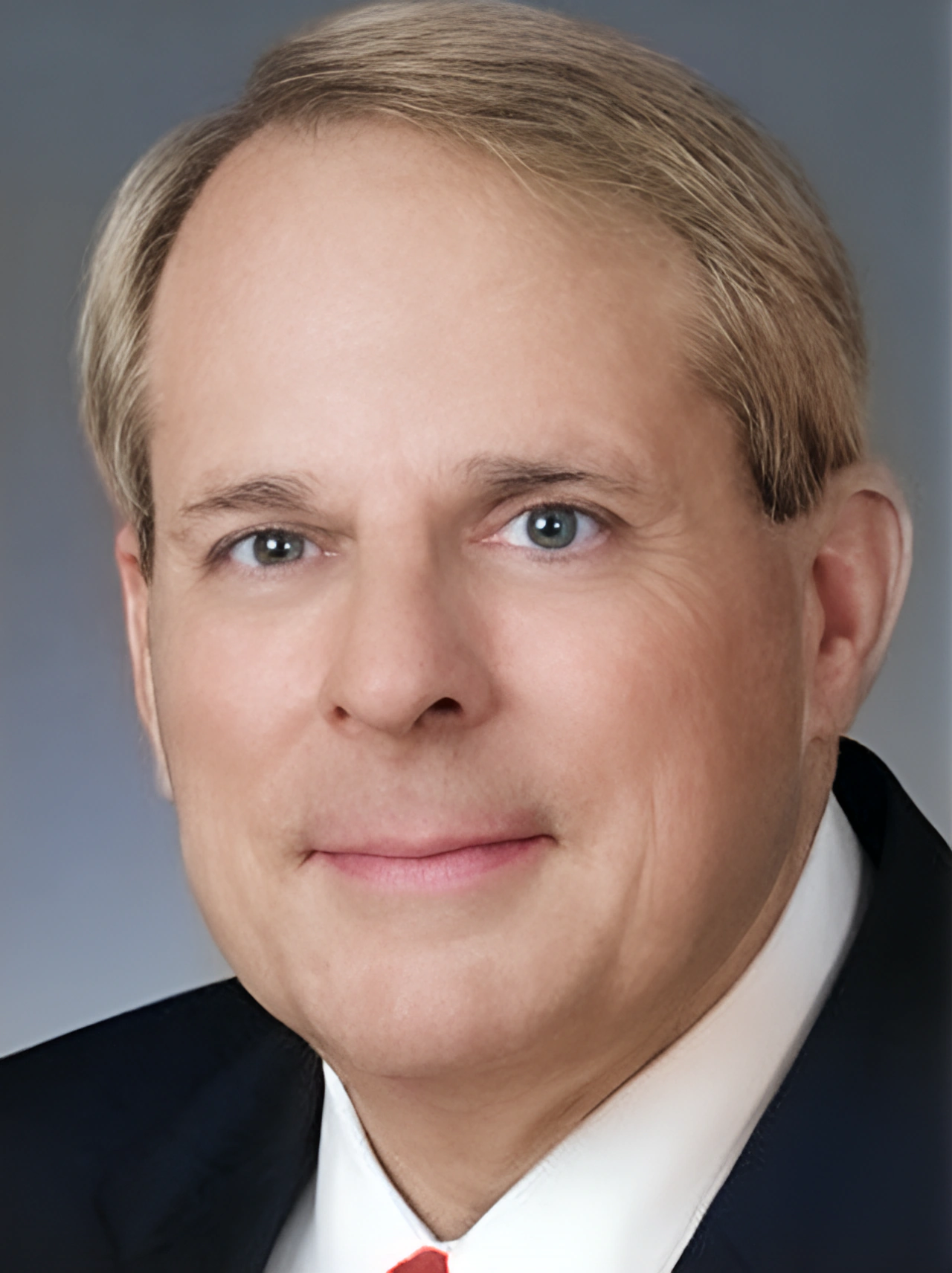
| 155 Quotes | |
| Occup. | Writer |
| From | USA |
| Born | 1927 |
| Died | July 25, 2002 |
| Cite | |
Citation Formats
APA Style (7th ed.)
Mason cooley biography, facts and quotes. (2026, February 11). FixQuotes. https://fixquotes.com/authors/mason-cooley/
Chicago Style
"Mason Cooley biography, facts and quotes." FixQuotes. February 11, 2026. https://fixquotes.com/authors/mason-cooley/.
MLA Style (9th ed.)
"Mason Cooley biography, facts and quotes." FixQuotes, 11 Feb. 2026, https://fixquotes.com/authors/mason-cooley/. Accessed 25 Mar. 2026.
Early Life and Background
Mason Cooley was born in 1927 in the American West, in a country newly confident after Depression and war yet quietly training its citizens to be efficient, upbeat, and legible. He came of age as mass media hardened into habit and as the university became a main engine of postwar mobility. From the start he watched the social world the way a diarist watches a room - alert to status, euphemism, and the little bargains people strike to belong.That temperament fit the midcentury United States: prosperous, anxious, moralistic, and saturated with slogans. Cooley learned early that public language often hid private weather. His later aphorisms would feel like small scalpels - brief, clean cuts that opened a view into vanity, envy, love, and the self-deceptions that kept daily life running.
Education and Formative Influences
Cooley studied and then taught in the humanities, shaped by the postwar boom in American higher education and by the long afterglow of European modernism in U.S. classrooms. He absorbed the disciplines of close reading and philosophical skepticism, and he found models in writers who made compression a form of honesty - the moralists, diarists, and aphorists who distrusted grand systems and preferred the telling fragment. The era also fed his sensibility: Cold War psychology, the popularization of psychoanalysis, and the rise of advertising all trained him to listen for what words were trying to sell.Career, Major Works, and Turning Points
Cooley spent much of his working life as a professor at the University of Oregon, where the relative calm of a Pacific Northwest campus gave him space to cultivate a private art: the daily note that becomes a sentence, the sentence that becomes a view of the whole. He published books of aphorisms and notebooks that gathered this practice into a recognizable signature, including The Astonished Astronomer and The Freudian Wish and Other Aphorisms. As his reputation grew, he remained less a public intellectual than a writer of concentrated glimpses, a figure valued by other writers, editors, and readers who prized exactness over performance. He died on July 25, 2002, leaving a body of work that feels less like a career arc than a steadily refined instrument.Philosophy, Style, and Themes
Cooley wrote as if self-knowledge were both necessary and permanently incomplete. His aphorisms circle the unstable "I" - the part that talks confidently while the deeper self stays unclassified. “I know that I am what I am. But I am not sure what I am”. That sentence is not coyness; it is a method. He treated identity as a set of changing masks and motives, and his cool, lucid tone works like a defense against the very confusions he records. The result is a psychology of the ordinary: not melodrama, but the daily negotiations between desire, pride, fear, and the need to appear consistent.His style is compressed, epigrammatic, and suspicious of consolations. He is drawn to the ethics of attention - how we look at others, and how we exploit them even while calling it affection. “Fail, and your friends feel superior. Succeed, and they feel resentful”. Here envy is not an exception but a social constant, a pressure inside friendship itself. Love, too, is never simple; it carries danger packaged as tenderness. “I love you is the inscription on Pandora's box”. The brilliance is the sting: intimacy releases forces we cannot fully control, and the romantic phrase becomes an opening mechanism. Across his work, Cooley returns to appearance and performance, the way modern life teaches people to speak in approved scripts, and the way a single clear sentence can puncture the script without pretending to stand outside it.
Legacy and Influence
Cooley endures as one of the late 20th century's sharpest American aphorists, a writer whose minimalism is not decorative but diagnostic. His books remain touchstones for readers who want thought without padding and for writers who learn from his discipline: observe, distrust the easy explanation, and compress until what remains is unavoidable. In an age of long takes and loud certainty, his influence is quietly subversive - a reminder that a short sentence, honestly made, can outlast a whole season of confident talk.Our collection contains 155 quotes written by Mason, under the main topics: Witty One-Liners - Motivational - Ethics & Morality - Truth - Wisdom.
Frequently Asked Questions
- Mason Cooley books: Mason Cooley is known more for his aphorisms than books, as he did not publish books in the traditional sense.
- Mason Cooley quotes humor: "Humor does not rescue us from unhappiness, but enables us to move back from it a little."
- Mason Cooley quotes reading: "Reading gives us someplace to go when we have to stay where we are."
Source / external links