
Matt Shea Biography Quotes 44 Report mistakes
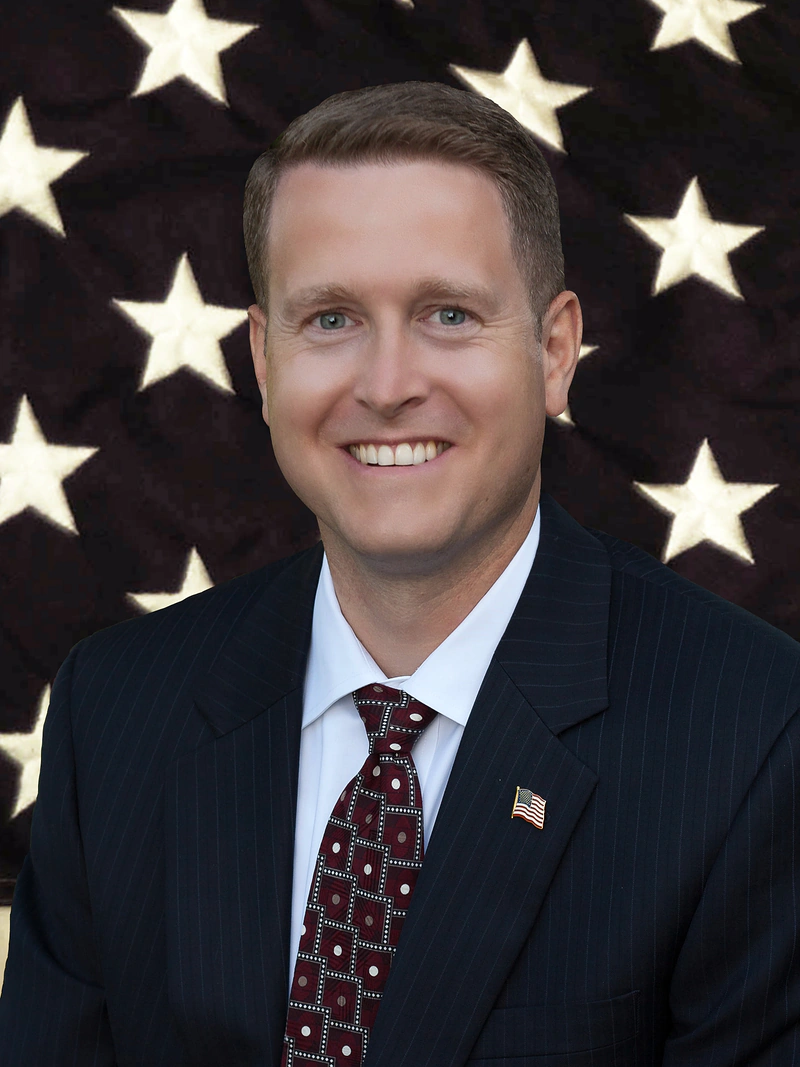
Attr: Thestevo, CC BY-SA 3.0
| 44 Quotes | |
| Born as | Matthew Thomas Shea |
| Occup. | Lawyer |
| From | USA |
| Spouses | Viktoriya Vinnikova (2008) Lisa Jenn (2002-2008) |
| Born | April 18, 1974 Spokane, Washington, USA |
| Age | 51 years |
| Cite | |
Citation Formats
APA Style (7th ed.)
Matt shea biography, facts and quotes. (2026, February 11). FixQuotes. https://fixquotes.com/authors/matt-shea/
Chicago Style
"Matt Shea biography, facts and quotes." FixQuotes. February 11, 2026. https://fixquotes.com/authors/matt-shea/.
MLA Style (9th ed.)
"Matt Shea biography, facts and quotes." FixQuotes, 11 Feb. 2026, https://fixquotes.com/authors/matt-shea/. Accessed 24 Mar. 2026.
Early Life and Background
Matthew Thomas Shea was born April 18, 1974, in the United States and came of age during the late Cold War and its aftermath, when distrust of federal power, culture-war politics, and talk-radio populism seeped into the everyday language of civic life. His public identity would later be forged in the inland Pacific Northwest, a region where libertarian currents, evangelical networks, and property-rights conflicts often collided with the machinery of state government.Shea developed a reputation not as a celebrity or a conventional public intellectual, but as an intensely ideological political operator - a figure drawn to the mechanics of rules, votes, caucuses, and pledges, and to the moral drama he believed those mechanics concealed. The inward pulse of his biography is a persistent sense that institutions routinely say one thing in public and do another in private, a suspicion that shaped his rhetoric and his choice of allies and enemies.
Education and Formative Influences
Reliable public profiles place Shea in the world of law and legislative procedure rather than in academia or the arts, and his formative influences appear to have been movement media, conservative legal arguments about sovereignty and constitutional limits, and the activist subculture that surged after 9/11 and then accelerated with the Tea Party era. He read politics as a struggle over legitimacy - who has authority, who is obeying whom, and what happens when ordinary citizens stop believing official narratives.Career, Major Works, and Turning Points
Shea became most widely known as a Washington State legislator from Spokane Valley, serving in the Washington House of Representatives (4th Legislative District) for multiple terms beginning in 2009 and ending in 2020. He built his brand around hard-edged conservatism, gun-rights absolutism, and a procedural style of confrontation - forcing votes, demanding written commitments, and targeting intra-party rivals he saw as compromised. His career reached national attention through controversy: investigative reporting and a Washington House inquiry concluded he had participated in or supported extremist networks, culminating in his removal from the House Republican caucus in 2019 and his later departure from office. The turning point was less a single bill than the collision between his movement-driven, insurgent method and the institutional need of a major party to contain reputational damage.Philosophy, Style, and Themes
Shea spoke as if politics were not chiefly about negotiation but about exposure - pulling hidden motives into daylight and forcing people to declare themselves. That psychology is visible in his fixation on written pledges and the theater of accountability: “People who won't sign the taxpayer protection pledge, people who won't sign the property-rights protection pledge, people who won't sign the state-sovereignty pledge, who won't put their beliefs in writing, who won't endorse the Freedom Agenda, we should be asking them some very very hard questions”. The insistence is not merely strategic; it reveals a worldview in which ambiguity equals betrayal, and where paper - signatures, recorded votes - becomes a moral instrument.His rhetorical style fused populist grievance with a preacherly ethic of stamina. He framed the political arena as a test of attendance and courage, casting opponents not only as misguided but as spiritually or ideologically corrupt: “The forces of immorality and Marxism and evil count on one thing: Us not showing up”. In this frame, the self is judged by refusal to yield - and compromise becomes a kind of contamination. That helps explain his repeated denunciations of the "easy road" of legislative life and his attraction to factional intensity over broad consensus, even at the cost of isolation.
Legacy and Influence
Shea's legacy is inseparable from the era that elevated him: the post-2008 insurgent right, the mainstreaming of conspiracy-adjacent language, and the hardening of partisan identity into moral identity. To supporters, he modeled local-level resistance and ideological discipline; to critics, he exemplified how elected office can be used to legitimize extremism and destabilize democratic norms from within. In Washington politics, his rise and fall became a case study in how movement energy can win primaries and dominate headlines, and how institutions eventually respond when the methods of permanent insurgency threaten the boundaries of acceptable public life.Our collection contains 44 quotes written by Matt, under the main topics: Motivational - Justice - Leadership - Freedom - Resilience.
Source / external links