
Mattie Stepanek Biography Quotes 7 Report mistakes
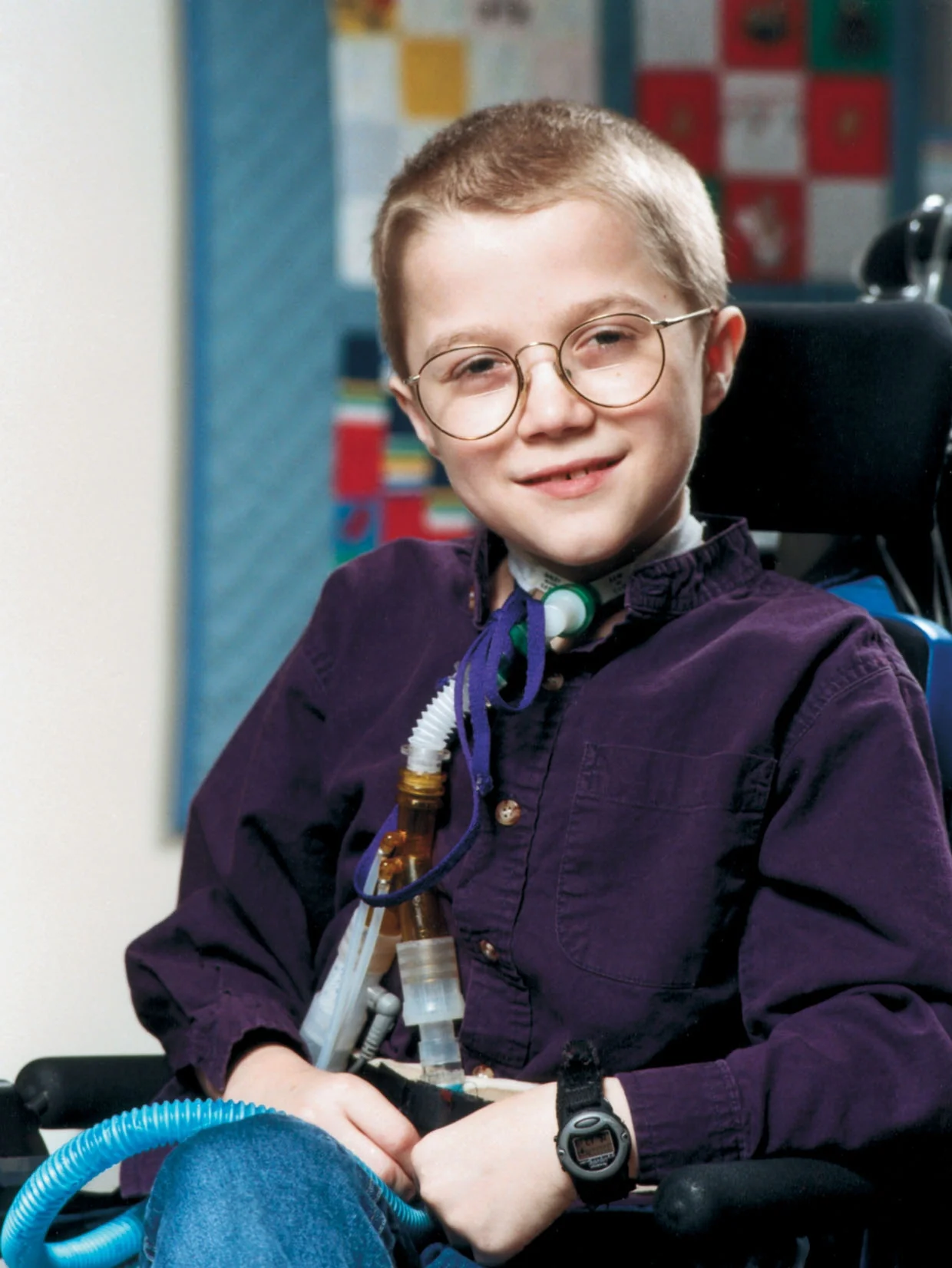
| 7 Quotes | |
| Occup. | Poet |
| From | USA |
| Born | July 17, 1990 |
| Died | June 22, 2004 |
| Aged | 13 years |
| Cite | |
Citation Formats
APA Style (7th ed.)
Mattie stepanek biography, facts and quotes. (2026, February 2). FixQuotes. https://fixquotes.com/authors/mattie-stepanek/
Chicago Style
"Mattie Stepanek biography, facts and quotes." FixQuotes. February 2, 2026. https://fixquotes.com/authors/mattie-stepanek/.
MLA Style (9th ed.)
"Mattie Stepanek biography, facts and quotes." FixQuotes, 2 Feb. 2026, https://fixquotes.com/authors/mattie-stepanek/. Accessed 25 Mar. 2026.
Early Life and Background
Matthew Joseph Thaddeus Stepanek - known to the public as Mattie - was born July 17, 1990, in Rockville, Maryland, into a military family that moved with the rhythms of U.S. service life in the late Cold War's aftermath and the early 1990s. He grew up amid base housing, hospital corridors, and the ordinary tenderness of home life made urgent by illness. His mother, Jeni Stepanek, became his closest collaborator and advocate, translating his early ideas into practical routines that could hold both play and pain.From infancy Mattie lived with a rare mitochondrial disorder that progressively weakened his muscles and organs. The Stepaneks also endured repeated bereavement: Mattie's siblings, Katie, Stevie, and Jamie, each died young from the same disease. Those losses shaped his inner world early - not as abstraction, but as a daily reckoning with absence. Yet people who met him described a buoyant child who asked direct questions, sought beauty in small rituals, and turned hospital time into a kind of workshop where language could do what the body could not: travel, build, and endure.
Education and Formative Influences
Because of fragile health and frequent treatment, Mattie's schooling was largely home- and hospital-based, stitched together through tutors, family instruction, and his own voracious reading. He absorbed hymnody, children's literature, and the public language of American civic ideals - peace, service, and community - alongside the spiritual cadence of prayer that surrounded him. By grade-school age he was composing short poems and aphorisms, often dictating when fatigue made writing difficult, and learning how voice, rhythm, and repetition could make consolation feel precise rather than sentimental.Career, Major Works, and Turning Points
Mattie emerged in the early 2000s as an unusually visible child poet, publishing bestselling collections that brought his "Heartsongs" series to a national audience: Heartsongs (2001), Heartsongs II (2002), Heartsongs III (2003), and Heartsongs IV (2004). Media appearances and public readings made him a symbol of resilience during a period when the United States, newly marked by 9/11, was saturated with debates about grief, patriotism, and the meaning of hope. A major turning point came through his friendship with former U.S. President Jimmy Carter, who championed Mattie's work and helped amplify his public platform. Even as his condition worsened, he continued to write, speak for peace, and participate in charitable advocacy until his death on June 22, 2004, at age 13.Philosophy, Style, and Themes
Mattie's poetry is plainspoken on purpose - short lines, direct address, and repeated keywords ("hope", "peace", "love") that act like handholds. The simplicity was not naivete; it was a strategy for clarity under pressure, a way to make language accessible to children, families, and strangers meeting him through television. He wrote as someone trained by fragility to notice time at close range, refusing the luxury of postponement. “Even though the future seems far away, it is actually beginning right now”. That sentence captures his psychology: urgency without panic, a forward gaze anchored in the immediate.His themes circle grief, faith, and community, but they do so with an organizer's instinct: sorrow becomes a call to action, not a private aesthetic. “Sad things happen. They do. But we don't need to live sad forever”. In his best work, consolation is not denial; it is a disciplined choice to keep living in relationship - with memory, with God, and with other people. He often framed peace not as a slogan but as a practice of joining hands across difference. “Unity is strength... when there is teamwork and collaboration, wonderful things can be achieved”. Read against his medical reality and repeated family loss, that insistence on unity reveals a child who refused isolation, turning dependence - on caregivers, devices, and community - into an ethical vision rather than a humiliation.
Legacy and Influence
Stepanek's influence rests less on technical innovation than on moral accessibility: he made poetry feel usable to readers who did not think of themselves as poetry readers, and he gave families living with disability and bereavement a public vocabulary that was neither clinical nor self-pitying. After his death, his books remained touchstones in schools, hospitals, and support groups, and his story continued through his mother's advocacy and memorial projects. In an era that often treats children's voices as either cute or disposable, Mattie Stepanek's work endures as a record of a mind that took suffering seriously and still insisted - repeatedly, publicly, and in the plainest words - that hope could be practiced.Our collection contains 7 quotes written by Mattie, under the main topics: Live in the Moment - Faith - Legacy & Remembrance - Tough Times - Teamwork.
Mattie Stepanek Famous Works
- 2005 Reflections of a Peacemaker: A Portrait Through Heartsongs (Poetry)
- 2003 Loving Through Heartsongs (Poetry)
- 2002 Celebrate Through Heartsongs (Poetry)
- 2002 Hope Through Heartsongs (Poetry)
- 2002 Journey Through Heartsongs (Poetry)
- 2001 Heartsongs (Poetry)
Source / external links