
Maurice Denis Biography Quotes 4 Report mistakes
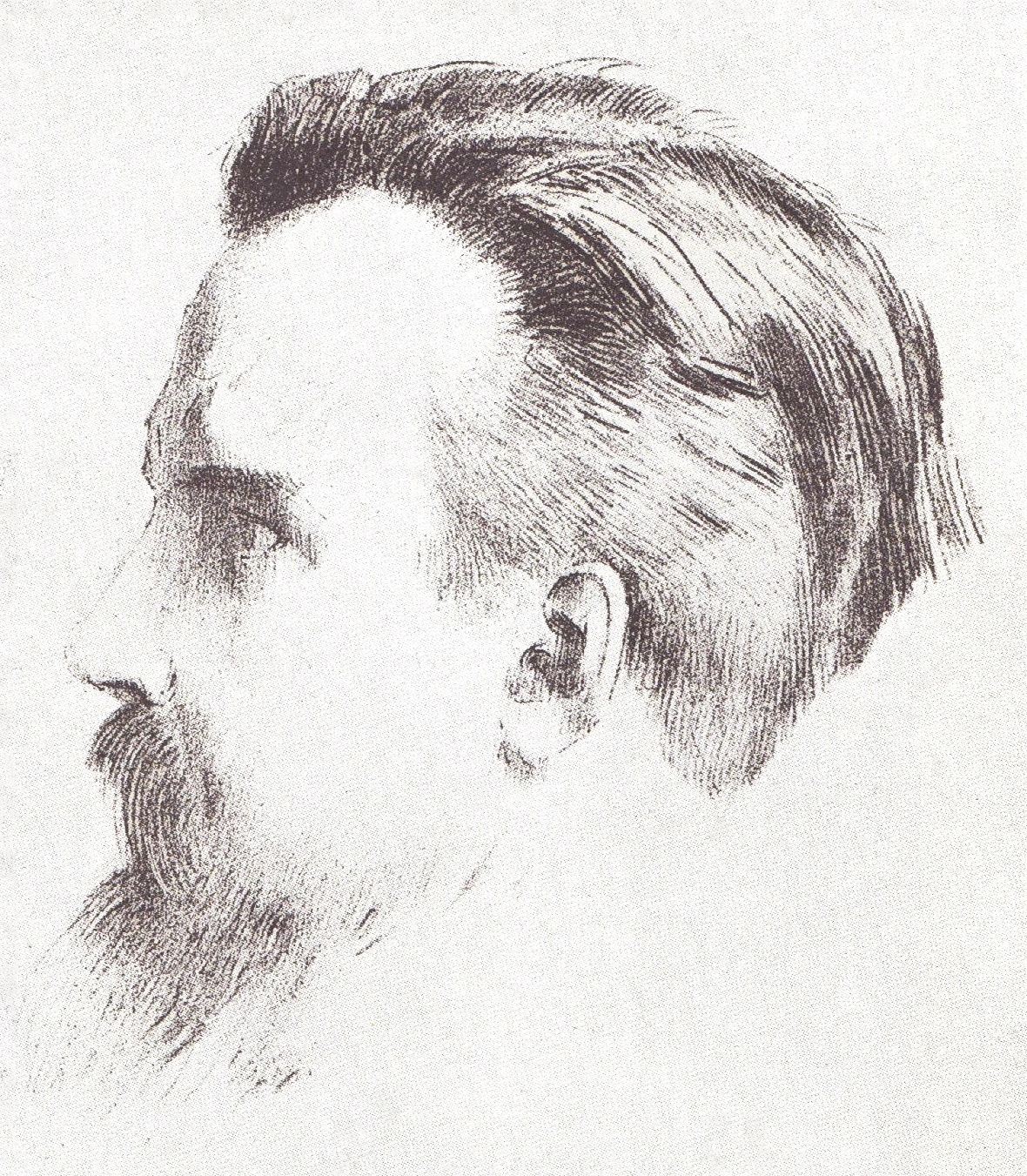
| 4 Quotes | |
| Occup. | Artist |
| From | France |
| Born | November 25, 1870 |
| Died | 1943 |
| Cite | |
Citation Formats
APA Style (7th ed.)
Maurice denis biography, facts and quotes. (2026, February 11). FixQuotes. https://fixquotes.com/authors/maurice-denis/
Chicago Style
"Maurice Denis biography, facts and quotes." FixQuotes. February 11, 2026. https://fixquotes.com/authors/maurice-denis/.
MLA Style (9th ed.)
"Maurice Denis biography, facts and quotes." FixQuotes, 11 Feb. 2026, https://fixquotes.com/authors/maurice-denis/. Accessed 12 Feb. 2026.
Early Life and Formation
Maurice Denis was born in 1870 in Granville, on the Normandy coast of France, and grew up largely in Paris, where an early and devout Catholic faith shaped his view of art as a spiritual endeavor. As a teenager he kept notebooks and diaries, recording convictions that painting should be both decorative and metaphysical. In Paris he absorbed the Louvre, admired the serene harmonies of Pierre Puvis de Chavannes, and pursued formal training that included time at the Academie Julian. There he met Paul Serusier, Pierre Bonnard, Edouard Vuillard, Ker Xavier Roussel, and Paul Ranson, friendships that would catalyze one of the essential movements of the 1890s. Serusier returned from Brittany with a small panel guided by Paul Gauguin, later called The Talisman; its radical simplification of form and color helped these students forge the Nabi brotherhood, a group committed to a new symbolic and decorative synthesis.The Nabis and Symbolist Years
In the Nabi circle, Denis adopted flattened planes, clear contours, and harmonized palettes that turned everyday motifs, landscapes, and sacred subjects into patterned arabesques. Alongside Bonnard, Vuillard, Roussel, and Felix Vallotton, he exhibited in independent venues and collaborated on prints, posters, and theater projects, circulating ideas through the dealer Ambroise Vollard and in dialogue with poets and critics. Denis was both practitioner and spokesman. His oft-cited assertion distilled a modern creed: it is well to remember that a picture, before being a horse in battle or a nude, is essentially a flat surface covered with colors assembled in a certain order. This did not reject narrative; instead, it insisted that structure, rhythm, and color harmony were primary. The influence of Gauguin and the example of Odilon Redon encouraged Denis to treat visible reality as a vehicle for inner resonance, and religious subjects as opportunities for renewed decorative invention.Theory and Writing
Denis articulated his positions in essays and in a diary he kept over decades. In the 1890s he published texts that outlined a path from symbolism toward a new classicism, culminating in the book-length collection Theories, 1890-1910: From Symbolism and Gauguin to a New Classicism. He argued that modern art could reconcile tradition with innovation: the architectural clarity of Raphael and the measured linearity of Ingres could coexist with the chromatic audacity discovered by Gauguin and, increasingly, the structural example of Paul Cezanne. Through lectures and criticism he became an important mediator, giving younger artists a conceptual bridge between the avant-garde and the museum.Decorative Cycles and Major Commissions
Denis sought large, integrated projects that joined painting to architecture. He designed suites of panels for private interiors and public spaces, treating rooms as enveloping compositions. A landmark commission came from the Russian collector Ivan Morozov, who in the first decade of the 20th century engaged Denis to paint The Story of Psyche, a cycle marrying allegory to lyrical color for a Moscow residence. In Paris he contributed murals and decorations to civic and cultural sites, including work associated with the Theatre des Champs-Elysees, where artists of his generation attempted to synthesize sculpture, painting, music, and dance. Denis also paid homage to heroes: in the painting Homage to Cezanne he gathered friends and colleagues around a still life by Cezanne, including Bonnard, Vuillard, Roussel, Redon, and the dealer Vollard, making a group portrait of allegiance to the master whose structure-minded painting would shape the century. Alongside wall painting, Denis illustrated books and suites of prints, notably adding images to poetry by Paul Verlaine, translating the cadence of verse into ornamental line and tone.Religious Renewal and Teaching
A constant strand in Denis's career was the revival of sacred art. After World War I he joined Georges Desvallieres to found the Ateliers d Art Sacre, a workshop-school devoted to restoring dignity to church decoration, stained glass, tapestries, and liturgical objects. There Denis advised younger artists on how to adapt modern means to traditional ends, promoting clarity, legibility, and a decorum he associated with historical masters. He maintained a home and studio complex in Saint-Germain-en-Laye, in a former priory that he renovated and decorated, treating its chapel as a laboratory for harmonizing architecture, painting, and devotion. Collaborations with architects and artisans deepened his belief that art flourishes when it serves collective purposes as well as private contemplation.Later Career, Style, and Legacy
By the early 20th century, Denis had shifted from the experimental symbolism of his youth toward a calmer, more classical order. The lessons of Raphael, Poussin, and Ingres inflected his compositions with measured proportion and a lucid drawing, even as color retained the lessons of Gauguin and Cezanne. He continued to paint family life, landscapes of Brittany and the Paris region, and numerous religious subjects, giving them a serene decorativeness suited to chapels, schools, and salons. His writings and teaching, together with his famous aphorism about the flat surface, provided a touchstone for later debates about abstraction and the autonomy of painting, influencing artists who sought a balance between sensation and structure. Denis died in 1943 in Paris, after an accident, leaving behind a body of work and a network of institutions that sustained his ideals. The former priory in Saint-Germain-en-Laye later became a museum dedicated to his art and to the Nabi generation, a testament to friendships with Serusier, Bonnard, Vuillard, Roussel, Ranson, and Vallotton, and to the bridges Denis built between symbolism, tradition, and the emerging modern age.Our collection contains 4 quotes written by Maurice, under the main topics: Art.
Source / external links