
Max Eastman Biography Quotes 16 Report mistakes
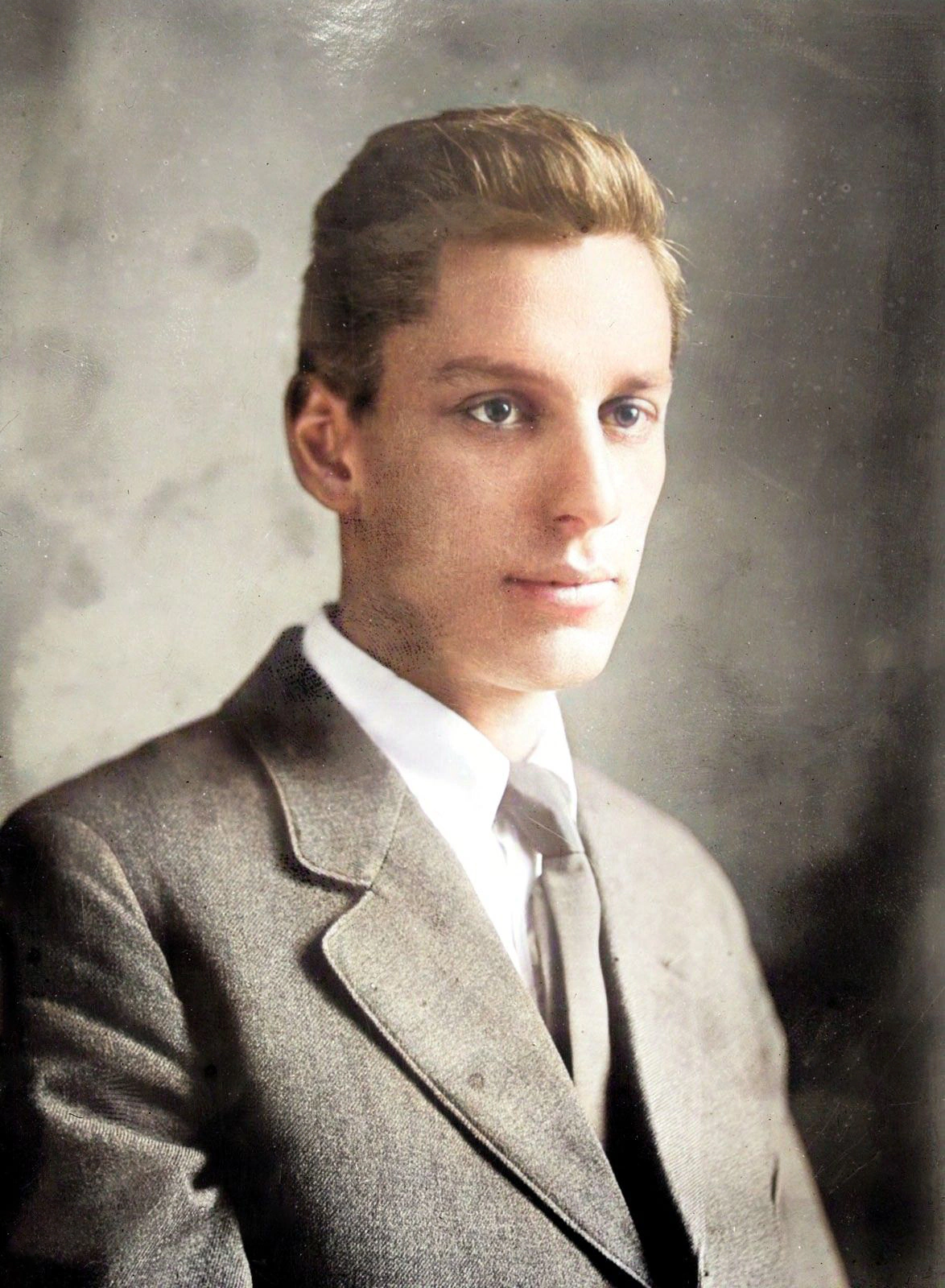
| 16 Quotes | |
| Occup. | Author |
| From | USA |
| Spouses | Ida Rauh (1911–1922) Elena Krylenko (1924–1956) Yvette Skely (1958–1969) |
| Born | January 4, 1883 Canandaigua, New York, USA |
| Died | March 25, 1969 Bridgetown, Barbados |
| Aged | 86 years |
| Cite | |
Citation Formats
APA Style (7th ed.)
Max eastman biography, facts and quotes. (2026, February 11). FixQuotes. https://fixquotes.com/authors/max-eastman/
Chicago Style
"Max Eastman biography, facts and quotes." FixQuotes. February 11, 2026. https://fixquotes.com/authors/max-eastman/.
MLA Style (9th ed.)
"Max Eastman biography, facts and quotes." FixQuotes, 11 Feb. 2026, https://fixquotes.com/authors/max-eastman/. Accessed 5 Mar. 2026.
Early Life and Background
Max Forrester Eastman was born on January 4, 1883, in Canandaigua, New York, into a household where moral argument was a daily climate. His parents, Samuel Elijah Eastman and Annis Bertha Ford Eastman, were both Congregational ministers - an unusual symmetry that made reform feel less like a cause than a family vocation. The Eastmans valued disciplined speech, public duty, and the belief that ideas were meant to move people, not merely adorn them.That early seriousness coexisted with an instinct for play. Eastman grew up amid upstate New York sobriety but with a widening sense of America entering modernity - industry, immigration, and labor conflict reshaping civic life. The tension between ethical fervor and ironic intelligence would become his signature: he could sound like a preacher, then puncture the sermon with laughter, as if conscience needed comedy to stay honest.
Education and Formative Influences
Eastman studied at Williams College and then at Columbia University, earning a PhD in philosophy (1909). In New York, philosophy did not remain abstract; it met the crowded city, the new mass press, and the emerging feminist and socialist networks. His sister, Crystal Eastman - a formidable suffragist and labor lawyer - helped pull him toward Greenwich Village radicalism, where politics, art, and personal liberation were treated as one continuous experiment.Career, Major Works, and Turning Points
Eastman rose to prominence as editor of the socialist magazine The Masses (1912-1917) and, after federal suppression during World War I, as co-founder of The Liberator (1918-1924), shaping a generation of left literary journalism with contributors ranging from John Reed to modernist artists and labor writers. He supported the Bolshevik Revolution at first, traveled in Soviet Russia in the early 1920s, and translated Leon Trotsky, including major portions of The History of the Russian Revolution, becoming an American conduit for revolutionary narrative and theory. The central turning point of his public life was disillusion: the Stalinist consolidation and the mechanics of ideological coercion pushed him away from party discipline. Over decades he moved from radical socialism toward a fierce anti-communism articulated in works like Reflections on the Failure of Socialism (1955) and later essays that defended liberal freedoms against totalitarian temptations, even as he remained suspicious of complacent bourgeois pieties.Philosophy, Style, and Themes
Eastman wrote with a rare double engine - analytic clarity from philosophical training and the snap of a satirist who believed emotions were data. He distrusted the pose of impartiality in moral emergencies, a skepticism that fit both his early activism and his later break with communist orthodoxy: “People who demand neutrality in any situation are usually not neutral but in favor of the status quo”. That line is not merely polemic; it reveals his psychological impatience with evasions, his need to force hidden loyalties into daylight. Yet he also knew that political righteousness could harden into humorlessness - the very rigidity that makes movements vulnerable to their own dogmas.Humor, for Eastman, was not decoration but a survival skill and a test of character. “Humor is the instinct for taking pain playfully”. Read beside his life, the sentence becomes autobiographical: he endured censorship battles, factional betrayals, and the humiliations of ideological reversal, and he refused to meet them only with bitterness. He demanded the harder talent - receptivity, not performance: “It is the ability to take a joke, not make one, that proves you have a sense of humor”. The inward ethic here is humility under pressure, the willingness to let the world laugh at you while you keep thinking - a stance that helped him revise himself publicly without fully surrendering his core belief that words should serve freedom.
Legacy and Influence
Eastman endures less as a single-school novelist than as a shape-shifting American intellectual who linked art, politics, and psychology across the century's most ferocious ideological battles. He helped define the radical magazine as a modern arena where poetry, reportage, and theory could share a page, and he introduced many American readers to the drama and danger of Soviet power through translation and witness. His long arc - from socialist editor to anti-communist critic - remains controversial, but it is precisely that arc that keeps him relevant: a case study in how a moral temperament negotiates disillusion without giving up the hope that language, sharpened by humor, can still tell the truth.Our collection contains 16 quotes written by Max, under the main topics: Witty One-Liners - Wisdom - Truth - Art - Justice.
Other people related to Max: Ernest Poole (Novelist), John Reed (Journalist), Claude McKay (Writer)
Max Eastman Famous Works
- 1959 Great Companions (Book)
- 1955 Reflections on the Failure of Socialism (Book)
- 1940 Marxism: Is It Science? (Book)
- 1936 Enjoyment of Laughter (Book)
- 1934 Art and the Life of Action (Book)
- 1925 Leon Trotsky: The Portrait of a Youth (Book)
- 1918 Colors of Life (Book)
Source / external links