
Maxwell Maltz Biography Quotes 22 Report mistakes
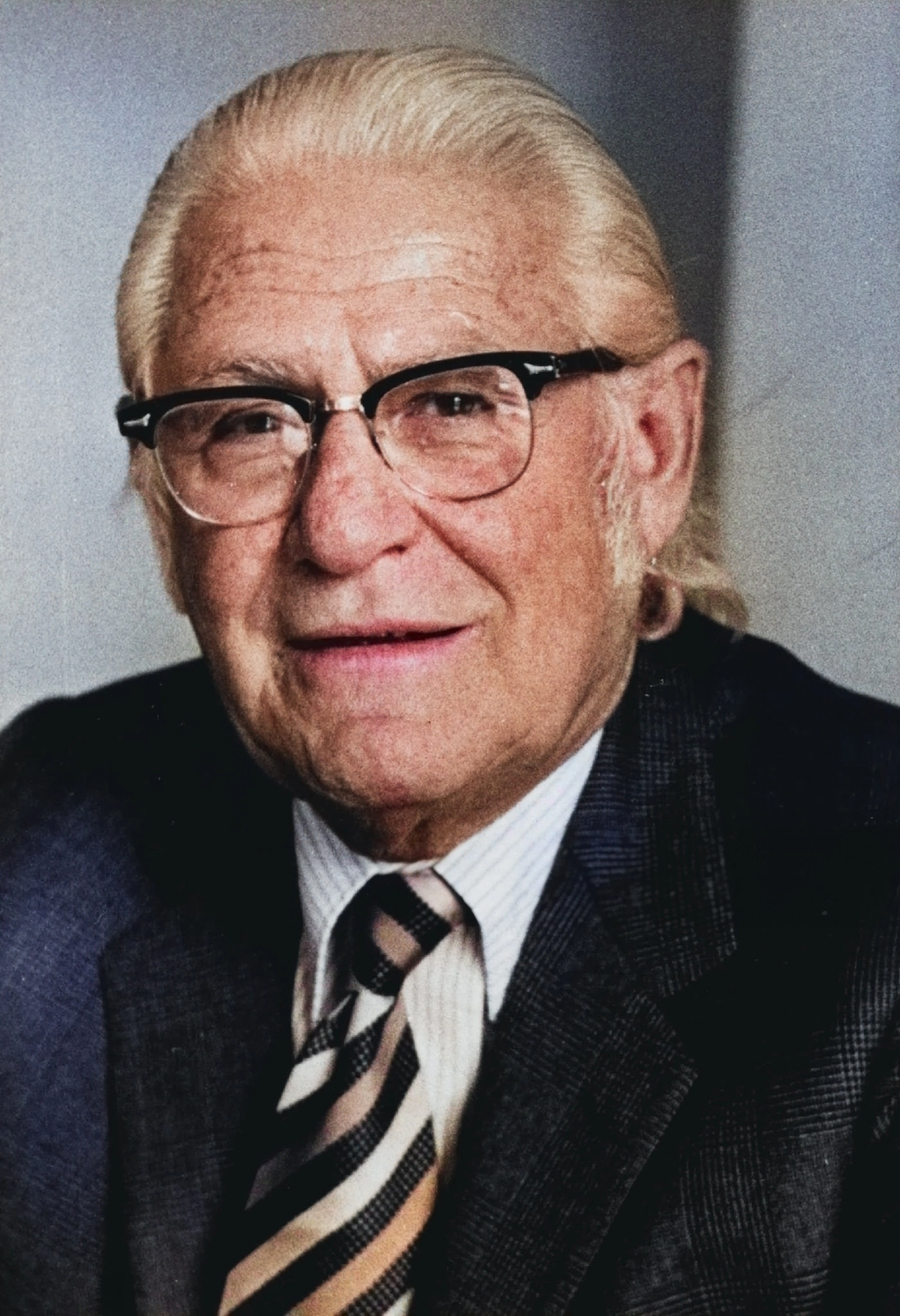
| 22 Quotes | |
| Occup. | Scientist |
| From | USA |
| Born | March 10, 1899 New York City, New York, USA |
| Died | April 7, 1975 New York City, New York, USA |
| Cause | Natural Causes |
| Aged | 76 years |
| Cite | |
Citation Formats
APA Style (7th ed.)
Maxwell maltz biography, facts and quotes. (2026, February 11). FixQuotes. https://fixquotes.com/authors/maxwell-maltz/
Chicago Style
"Maxwell Maltz biography, facts and quotes." FixQuotes. February 11, 2026. https://fixquotes.com/authors/maxwell-maltz/.
MLA Style (9th ed.)
"Maxwell Maltz biography, facts and quotes." FixQuotes, 11 Feb. 2026, https://fixquotes.com/authors/maxwell-maltz/. Accessed 27 Mar. 2026.
Early Life and Background
Maxwell Maltz was born on March 10, 1899, in the United States, into a country entering a century of mass industry, mass media, and mass anxiety about status and appearance. His adulthood began in the shadow of World War I and matured through the Great Depression and World War II - eras that trained Americans to measure themselves by output, rank, and visible success. Maltz would later translate those pressures into a clinical language of confidence and habit, asking why capable people so often behaved as if they were defeated.Long before he became a popular author, Maltz lived among two intersecting American preoccupations: the promise of scientific mastery over the body and the wish for reinvention. In the early 20th century, modern surgery and advertising culture both implied that a person could be remade - literally by scalpel, figuratively by will. Maltz absorbed that atmosphere and, rather than dismiss it as vanity, treated it as psychological data: when people changed their faces, did they also change their lives, and if not, what invisible mechanism held them back?
Education and Formative Influences
Maltz trained as a physician and plastic surgeon, grounding his later claims in the operating room rather than the lecture hall. The period in which he was professionally formed prized technique, measurement, and the emerging prestige of applied psychology; behaviorism, early psychotherapy, and wartime human-factors research all circulated as public ideas. Maltz did not become an academic psychologist, but he was a clinician with a scientist's temperament - observing patterns, testing hunches against outcomes, and becoming suspicious of explanations that ignored what patients repeatedly showed him: the mind could veto the body's improvements.Career, Major Works, and Turning Points
By mid-career Maltz had established himself as a successful American plastic surgeon, and his turning point came from an unexpected mismatch between surgical success and personal change. Some patients whose disfigurements were corrected reported life-changing relief; others, despite technically excellent results, remained socially fearful, depressed, or combative, as if their old face still governed them. Maltz concluded that an internal picture of the self - a practical, working model rather than a philosophical abstraction - could dominate behavior more than external facts. He began writing and lecturing on what he called the self-image, culminating in the landmark self-help classic Psycho-Cybernetics (1960), a book that framed personality as goal-seeking and adjustable, borrowing metaphors from mid-century cybernetics to make psychological change feel like engineering rather than moral struggle.Philosophy, Style, and Themes
Maltz's central idea was that human beings operate through an internal guidance system, and that the self-image supplies the coordinates. His prose favored clinic-to-layperson translation: case histories, vivid analogies, and step-by-step exercises meant to be tried, not merely admired. In a Cold War culture of performance - salesmanship, suburban respectability, televised ideals - he offered a counterclaim that sounded both humane and technically modern: "The "self-image“ is the key to human personality and human behavior. Change the self image and you change the personality and the behavior”. Psychologically, the statement reveals Maltz's impatience with shame-based self-reform; he believed many people were not lazy or wicked but miscalibrated, acting out a picture of themselves as inadequate.That emphasis shaped his ethics. He pushed readers away from self-punishment and toward self-alliance, treating inner hostility as a hidden saboteur that keeps goals permanently "almost" achieved. When he wrote, “If you make friends with yourself you will never be alone”. , he was diagnosing isolation as an inside job as much as a social condition - a person can be surrounded and still feel exiled if the self is experienced as an enemy. And his forward-motion psychology, expressed in “Man maintains his balance, poise, and sense of security only as he is moving forward”. , reads as both therapeutic and historically American: security is not found by freezing, but by engaging in purposeful change. Maltz's lasting appeal lies in this blend of compassion and mechanism - a promise that dignity can be rebuilt by training attention, imagination, and habit, not by winning a moral war against oneself.
Legacy and Influence
Maltz died on April 7, 1975, having helped define the postwar American self-improvement tradition in a form that claimed clinical roots and a systems-engineering sensibility. Psycho-Cybernetics influenced generations of motivational writers, coaches, and practitioners interested in visualization, goal-setting, and the psychology of performance; even critics who reject its metaphors often echo its premise that behavior follows identity. In an era that still markets perfect bodies and perfect lives, Maltz remains a notable bridge figure: a surgeon who discovered that changing the surface does not automatically change the person, and a popular "scientist" of the inner image who insisted that the most consequential reconstruction happens where no scalpel can reach.Our collection contains 22 quotes written by Maxwell, under the main topics: Motivational - Hope - Kindness - Overcoming Obstacles - Change.
Maxwell Maltz Famous Works
- 2002 The New Psycho-Cybernetics (Book)
- 1998 Zero Resistance Selling (Book)
- 1966 Thoughts to Live By (Book)
- 1962 Five Minutes to Happiness (Book)
- 1960 Psycho-Cybernetics (Book)
Source / external links