
Mercy Otis Warren Biography Quotes 19 Report mistakes
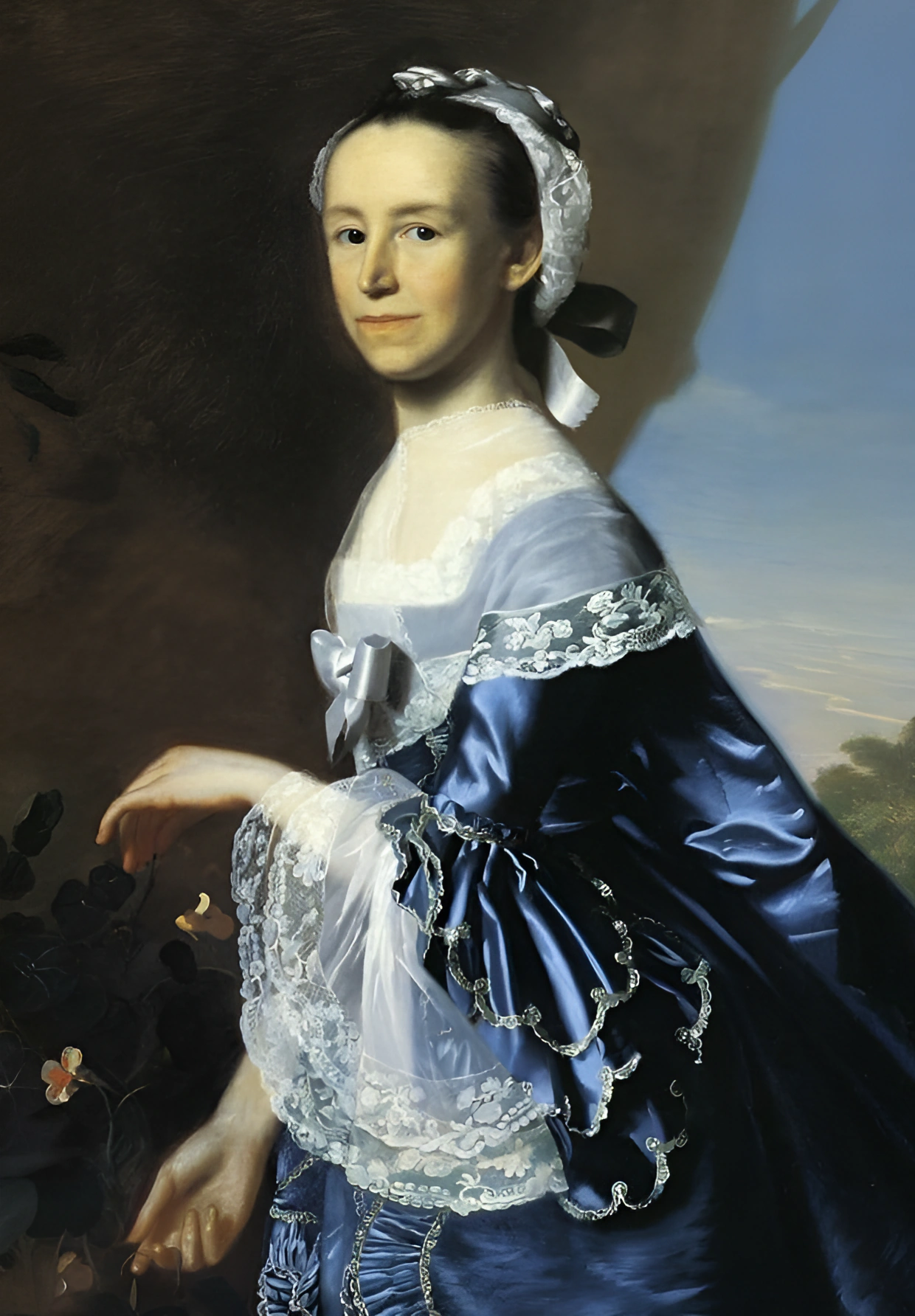
| 19 Quotes | |
| Occup. | Playwright |
| From | USA |
| Born | September 14, 1728 West Barnstable, Massachusetts |
| Died | October 19, 1814 |
| Aged | 86 years |
| Cite | |
Citation Formats
APA Style (7th ed.)
Mercy otis warren biography, facts and quotes. (2026, February 11). FixQuotes. https://fixquotes.com/authors/mercy-otis-warren/
Chicago Style
"Mercy Otis Warren biography, facts and quotes." FixQuotes. February 11, 2026. https://fixquotes.com/authors/mercy-otis-warren/.
MLA Style (9th ed.)
"Mercy Otis Warren biography, facts and quotes." FixQuotes, 11 Feb. 2026, https://fixquotes.com/authors/mercy-otis-warren/. Accessed 26 Mar. 2026.
Early Life and Background
Mercy Otis Warren was born on September 14, 1728, in Barnstable, Massachusetts, into the politically alert world of the Otis family, where town meeting culture and provincial grievances were not abstractions but daily conversation. Her father, Colonel James Otis Sr., was a substantial landholder and a figure in local government; her mother, Mary Allyne Otis, came from an established Cape Cod lineage. In a society that trained women for piety and household management, Warren absorbed something rarer: a sense that public life was morally legible, and that power could be judged.That early immersion in civic conflict was intensified by family example. Her brother James Otis Jr. rose as a firebrand against writs of assistance, helping set the vocabulary of resistance in Boston. Mercy watched the costs of political passion up close, including the volatility and personal ruin that could follow public combat. The tension between republican ideals and human frailty - the desire to build a free polity while fearing its corruption - became the emotional engine of her later plays and histories.
Education and Formative Influences
Denied formal schooling typical for men, Warren nonetheless received an unusually rigorous education at home, benefiting from the tutoring arranged for her brothers and from the family library. She read history, political philosophy, and English literature, forming a mind that married Puritan moral seriousness to Enlightenment argument. In 1754 she married James Warren of Plymouth, later speaker of the Massachusetts House and a leading Whig; their household became a node in the revolutionary network, sustaining friendships and correspondence with figures such as John and Abigail Adams as ideas moved from pamphlet to policy.Career, Major Works, and Turning Points
Warren entered public debate through drama and satire when open political speech by women was suspect, publishing anonymously while writing with unmistakable partisan force. In the early 1770s she produced a sequence of plays aimed at exposing British policy and colonial collaborators, including The Adulateur (1772) and The Group (1775), works that treated politics as a moral theater where ambition, flattery, and cowardice were legible on stage. After independence, her ambition widened from mobilization to judgment: she tracked the Revolution as both participant and archivist, culminating in her three-volume History of the Rise, Progress and Termination of the American Revolution (1805), one of the earliest major histories of the founding written by an American and the most substantial authored by a woman of the era. A turning point came with the constitutional debates of the late 1780s, when her sympathies leaned Anti-Federalist; her warnings about concentrated power complicated friendships, including a bruising quarrel with John Adams after the History appeared.Philosophy, Style, and Themes
Warren wrote as a republican moralist for whom politics was never merely administrative. She anatomized character - vanity, fear, self-interest - as the hidden mechanism of public events, insisting that liberty could be lost without a single dramatic coup. “The bulk of mankind have indeed, in all countries in their turn, been made the prey of ambition”. That sentence is not only diagnosis but self-portrait: she was watchful, suspicious of charisma, and convinced that the Revolution required ongoing vigilance against the old pattern of rulers and dependents, even when the rulers were American.Her style fused classical republican warning with a dramatist's sense of motive and scene. The plays convert legislative struggle into staged temptation and betrayal; the History broadens into a narrative of cause and consequence, studded with portraits and cautionary lessons. She feared that comfort would soften civic nerve, arguing that inequality and household hierarchy could seep into public hierarchy: “A superfluity of wealth, and a train of domestic slaves, naturally banish a sense of general liberty, and nourish the seeds of that kind of independence that usually terminates in aristocracy”. Beneath the polemic lies an inward, almost psychological inquiry: “The study of the human character opens at once a beautiful and a deformed picture of the soul”. Warren's central theme is that a republic rests on inner discipline - the capacity to resist flattery, luxury, and faction - as much as on constitutions and victories.
Legacy and Influence
Warren endures as a foundational American political writer who proved that literary art could serve revolutionary argument and that a woman could claim authority over national memory. Her plays helped shape Patriot sentiment when persuasion mattered as much as gunpowder, and her History remains indispensable for its proximity to events, its documentation of networks, and its insistence that virtue - not merely independence - was the Revolution's real stake. In later generations she became a touchstone for scholars of republican ideology and early American women's authorship, a figure who enlarged the boundaries of who could interpret the nation and who could warn it about the recurring dangers of power.Our collection contains 19 quotes written by Mercy, under the main topics: Ethics & Morality - Truth - Wisdom - Justice - Freedom.
Mercy Otis Warren Famous Works
- 1805 History of the Rise, Progress, and Termination of the American Revolution (Book)
- 1788 Observations on the New Constitution, and on the Federal and State Conventions (Book)
- 1779 The Defeat (Play)
- 1775 The Group (Play)
- 1772 The Adulateur (Play)
Source / external links