
Michael Burgess Biography Quotes 27 Report mistakes
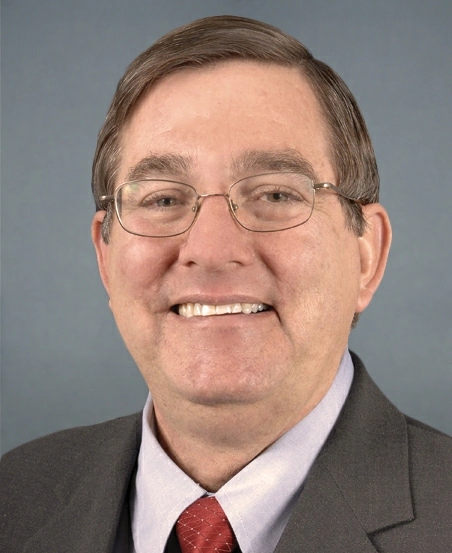
| 27 Quotes | |
| Occup. | Congressman |
| From | United Kingdom |
| Born | December 23, 1950 |
| Age | 75 years |
| Cite | |
Citation Formats
APA Style (7th ed.)
Michael burgess biography, facts and quotes. (2026, February 11). FixQuotes. https://fixquotes.com/authors/michael-burgess/
Chicago Style
"Michael Burgess biography, facts and quotes." FixQuotes. February 11, 2026. https://fixquotes.com/authors/michael-burgess/.
MLA Style (9th ed.)
"Michael Burgess biography, facts and quotes." FixQuotes, 11 Feb. 2026, https://fixquotes.com/authors/michael-burgess/. Accessed 12 Feb. 2026.
Identity
This biography concerns Michael C. Burgess, an American physician and legislator born in 1950 who became a long-serving member of the United States House of Representatives. Although his surname and some public references can prompt confusion with British figures of the same name, his career has been rooted in Texas and in the U.S. Congress rather than the United Kingdom.Early Life and Education
Michael Burgess grew up in North Texas at a time when the region was rapidly expanding in population, industry, and higher education. The growth around the Dallas-Fort Worth area shaped his early view of community needs, especially in health care and infrastructure. He pursued college and graduate study in Texas, completing premedical training before earning a medical degree from a Texas medical school. He then undertook residency training in obstetrics and gynecology in the Dallas area, preparing for a career focused on maternal and newborn health. This combination of Texas-based education and clinical training would later influence his approach to public policy, grounding it in the practical realities of patient care and regional development.Medical Career
Before entering public life, Burgess practiced obstetrics and gynecology for many years in North Texas. He cared for patients across a wide range of circumstances, from routine prenatal visits to complicated deliveries requiring hospital coordination. In clinics and delivery rooms he worked alongside nurses, mid-level practitioners, hospital administrators, and fellow physicians, forming the professional relationships that later informed his legislative priorities. Serving a suburban and exurban patient base exposed him to issues like insurance coverage, medical liability concerns, and access to specialty care. The day-to-day practice of medicine gave him a detailed understanding of how federal rules affect physicians, patients, and hospitals on the ground.Entry into Politics
Burgess entered electoral politics during a period of transition in North Texas. When House Majority Leader Dick Armey decided to retire from the U.S. House, the open seat drew intense interest. Burgess campaigned on the theme that a practicing physician could bring practical problem-solving to health policy and oversight. In a closely watched Republican primary and runoff, he faced Scott Armey, the retiring congressman's son, and a crowded field of local leaders. Burgess's medical background, coupled with a message of conservative governance and responsive constituent service, helped him prevail. He won the general election and took office in January 2003, beginning a congressional tenure centered on health care, economic growth, and transportation for a fast-growing district.Constituency and District Focus
Representing a district anchored in Denton County and parts of the greater Dallas-Fort Worth region, Burgess focused on the community's practical needs: the I-35 corridor and related transportation projects; support for higher education institutions such as the University of North Texas and Texas Woman's University; and access to quality health care for families and veterans. He maintained regular town halls and constituent services, relying on district staff to assist residents with federal agencies. Collaboration with the Texas delegation was routine; he worked with colleagues such as Kay Granger and Sam Johnson on regional transportation and defense priorities and coordinated with Senators John Cornyn and Ted Cruz on issues that required bicameral attention.Committee Work and Colleagues
Burgess served on the House Energy and Commerce Committee, a key policy panel with jurisdiction over health, energy, telecommunications, and consumer protection. His medical expertise led to prominent roles on the Health Subcommittee, where he participated in oversight hearings and legislative drafting. Over multiple Congresses he worked with committee leaders and counterparts across the aisle, including Fred Upton, Greg Walden, Frank Pallone, and Anna Eshoo. Among physician-legislators, he was an active member of the GOP Doctors Caucus and intersected frequently with colleagues such as Phil Gingrey and Tom Price on clinical perspectives in federal rulemaking. Within the broader House, he served during the speakerships of John Boehner, Paul Ryan, and Nancy Pelosi, navigating shifts in legislative strategy while sustaining a focus on health care, fiscal policy, and regulatory reform.Policy Priorities
Health care policy remained Burgess's signature area. Drawing on his clinical background, he emphasized strengthening the physician-patient relationship, encouraging medical innovation, and improving the stability of Medicare and private insurance markets. He argued for reducing administrative burden on providers and supported reforms intended to expand competition and choice for consumers. He engaged in debates over national health reform, participating in oversight of executive agencies and proposing changes aimed at cost control and access. In addition to health care, Burgess worked on energy policy relevant to Texas's role in oil, gas, and power generation, and supported telecommunications measures intended to foster broadband expansion, cybersecurity preparedness, and technology-driven economic growth.Legislative Approach
Burgess's legislative style combined detailed attention to technical provisions with persistent committee work. He often sought input from hospital leaders, physicians, and patient advocates in North Texas before advancing proposals. In committee markups and hearings, he prioritized incremental solutions that targeted specific bottlenecks in payment systems, regulation, or innovation pathways. Collaboration with colleagues such as Fred Upton and Greg Walden reflected a pragmatic approach within the Energy and Commerce framework, while regular exchanges with Frank Pallone and Anna Eshoo illustrated his willingness to engage across party lines on complex health and technology issues.Relationships and Team
Key relationships shaped his effectiveness. In North Texas, university presidents, hospital executives, and civic leaders provided regional perspectives; in Washington, committee chairs, ranking members, and seasoned staff guided strategy. Speakers John Boehner and Paul Ryan oversaw periods of major health and budget legislation in which Burgess played a role through Energy and Commerce. Under Speaker Nancy Pelosi, he continued to press for oversight and targeted improvements in health programs while working within a different legislative agenda. His staff, both in Washington and in the district, formed a bridge between policy and constituents, coordinating with the offices of Kay Granger, Sam Johnson, Kevin Brady, and others in the Texas delegation to marshal support for shared priorities.Public Engagement and Oversight
Burgess made oversight a core element of his work, frequently engaging with agency officials to scrutinize implementation of health statutes and regulations. He leveraged hearings to highlight the experiences of clinicians and patients, drawing on testimony from hospital systems, medical societies, and innovators. He emphasized data-driven evaluations of programs and promoted the idea that federal policy should enhance, not impede, clinical decision-making and patient access.Personal Life
Outside the legislative arena, Burgess remained closely connected to the medical community that launched his public service. Family life provided continuity through the demands of travel between North Texas and Washington. His perspective was shaped not only by policy analysis but by the lived experience of patients, families, and clinicians he encountered over decades, reinforcing a pragmatic, service-oriented outlook.Legacy and Impact
Michael C. Burgess's impact lies in the sustained application of clinical experience to complex national policy. Over successive Congresses, he built a record that combined constituent service with detailed committee work, helping steer health policy debates toward practical considerations of access, affordability, and innovation. Working alongside figures such as Dick Armey and Scott Armey at the outset of his career, and later with committee leaders including Fred Upton, Greg Walden, Frank Pallone, and Anna Eshoo, he carved out a role as a physician-legislator who translated exam-room realities into legislative priorities. For North Texas, his focus on transportation, higher education, and health care reflected the district's growth and needs; for the House, his tenure added a medical voice to deliberations that touch millions of American families.Our collection contains 27 quotes written by Michael, under the main topics: Justice - Leadership - Freedom - Science - Health.
Other people related to Michael: Kenny Marchant (Politician)
Source / external links