
Michael K. Powell Biography Quotes 11 Report mistakes
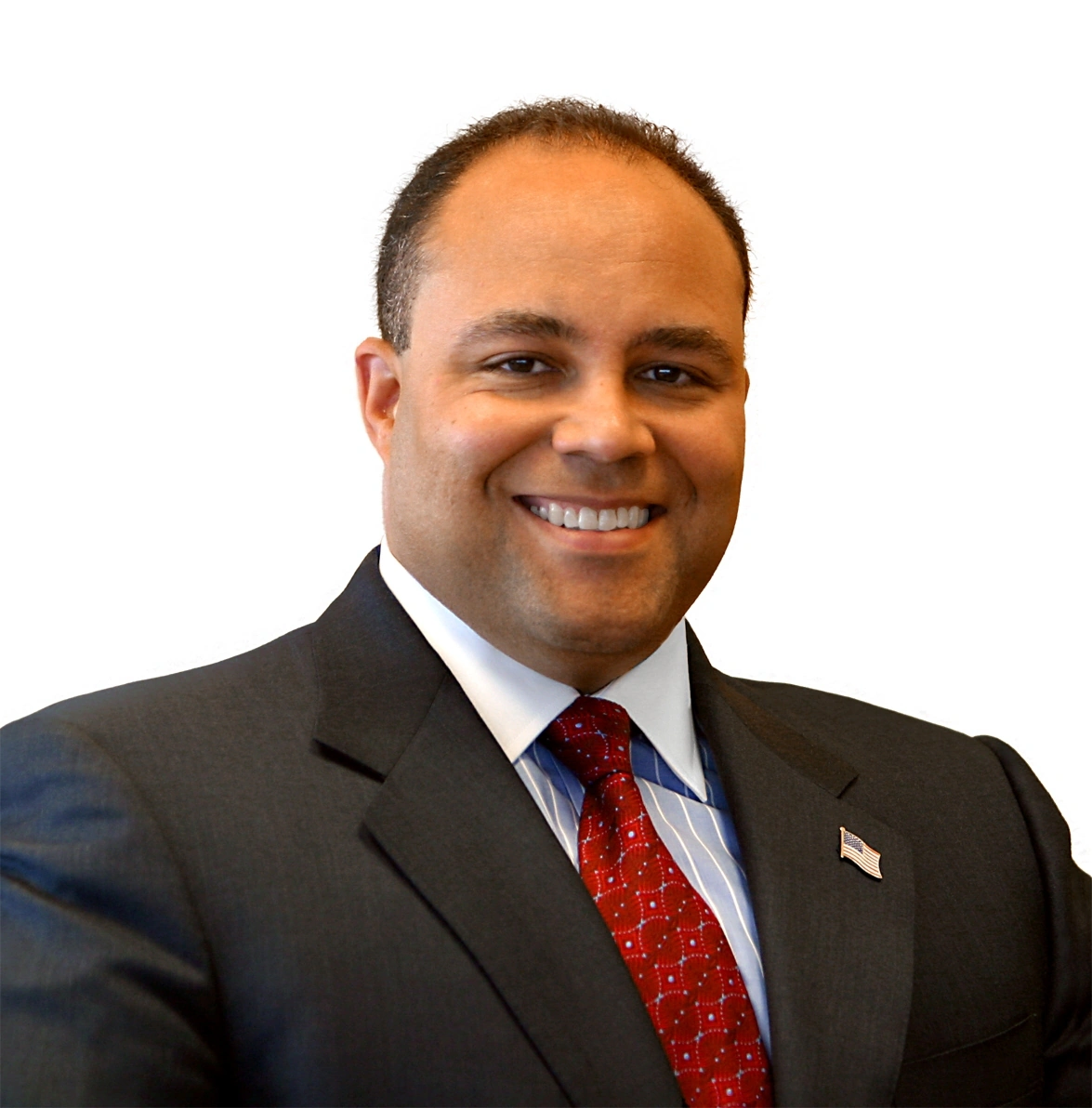
| 11 Quotes | |
| Occup. | Politician |
| From | USA |
| Born | March 23, 1963 |
| Age | 62 years |
| Cite | |
Citation Formats
APA Style (7th ed.)
Michael k. powell biography, facts and quotes. (2026, February 11). FixQuotes. https://fixquotes.com/authors/michael-k-powell/
Chicago Style
"Michael K. Powell biography, facts and quotes." FixQuotes. February 11, 2026. https://fixquotes.com/authors/michael-k-powell/.
MLA Style (9th ed.)
"Michael K. Powell biography, facts and quotes." FixQuotes, 11 Feb. 2026, https://fixquotes.com/authors/michael-k-powell/. Accessed 12 Feb. 2026.
Early Life and Family
Michael K. Powell, born in 1963, grew up in a family rooted in public service and the military. He is the son of Colin Powell, the U.S. Army four-star general who later served as Secretary of State, and Alma Powell, a longtime advocate for youth and community development. The rhythms of a military household shaped his early years, exposing him to leadership, discipline, and the national institutions that would later become the focus of his own career. While his father's rise made the Powell name familiar to the public, Michael developed an independent path, drawn to questions of technology, law, and the ways communication systems shape civic life.Education and Early Career
Powell studied government at the College of William & Mary, building a foundation in constitutional principles and public policy. He later earned a law degree from Georgetown University Law Center, combining legal training with a growing interest in the intersections of markets, innovation, and regulation. Before law and policy defined his professional identity, he served as an Army officer. A serious training accident involving an armored vehicle in Germany ended his active-duty career and required a long recovery. The experience sharpened his appreciation for resilient systems and modern networks, themes that would recur throughout his public service.Early legal work and policy roles brought him into contact with the federal government's approach to competition and technology. He developed a reputation for analytical rigor and an interest in how regulation could either catalyze or constrain new services. That focus made him a natural fit for communications oversight at a time when the internet and broadband were beginning to transform the economy.
Rise in Public Service
In 1997, President Bill Clinton appointed Powell to the Federal Communications Commission as a commissioner. In January 2001, President George W. Bush designated him chairman, succeeding William Kennard. Powell took the helm just as converging technologies were blurring the lines between telephone, cable, broadcasting, and the emerging internet. He sought to frame policy in technology-neutral terms, emphasizing competition and consumer benefits as the ultimate measures of success. After his chairmanship, he was succeeded by Kevin Martin.Leadership at the FCC
Powell's FCC tenure was defined by the transition from legacy telecommunications to broadband-centric networks. He championed what he called a light-touch approach to internet services, arguing that the early, open architecture of the network was best preserved by avoiding heavy-handed rules while articulating clear consumer expectations. In 2004 he outlined the "Internet Freedoms" principles: the ability of consumers to access lawful content, use applications, attach devices, and receive clear information about service plans. Those ideas influenced subsequent policy statements and framed debate over net neutrality for years.He also pressed forward on the digital television transition and spectrum policy, seeking to repurpose airwaves more efficiently for wireless and broadband services. His FCC undertook a major review of media ownership rules, contending that market changes and the rise of online platforms required updating decades-old limits. Commissioners such as Michael Copps frequently challenged the scope and pace of those changes, and public-interest advocates argued that consolidation could harm localism and diversity. Courts later sent portions of the revised rules back for further justification, underscoring the complexity of adapting legacy regimes to a fast-changing marketplace.
Content regulation flared into national controversy during his chairmanship after the 2004 Super Bowl halftime broadcast featuring Janet Jackson. The incident led to intensified indecency enforcement and a broader public debate about cultural standards on broadcast television. Years later, Powell reflected that the public furor and enforcement spike were larger than warranted, a candid acknowledgment that revealed his willingness to reconsider high-profile regulatory episodes in light of long-term policy aims.
Industry and Association Leadership
After leaving the FCC in 2005, Powell remained at the center of communications policy. He later became president and chief executive of NCTA, the principal trade association for the cable and broadband industry. In that role he served as a bridge between network operators, technology innovators, and policymakers across Congress and successive administrations. His work focused on accelerating broadband deployment, modernizing infrastructure rules, closing the digital divide, and navigating complex issues such as net neutrality, privacy, cybersecurity, and the evolution to streaming video. The position required intensive collaboration with industry leaders while continuously engaging with regulators and public-interest groups to reconcile rapid innovation with consumer protection.Views and Impact
Powell's guiding perspective emphasized market competition and technological dynamism, coupled with baseline principles to safeguard consumers. Supporters viewed his approach as critical to unlocking investment in broadband and enabling new services to reach scale. Critics sometimes argued that the FCC should have imposed stronger structural constraints to prevent consolidation or potential gatekeeping. That tension mirrored the broader national debate over how best to manage platforms and networks that quickly became central to commerce, speech, and culture.His imprint is visible in the vocabulary and architecture of internet policy. The consumer-focused "Internet Freedoms" anticipated years of rulemaking and litigation that followed, including subsequent efforts to formalize open internet protections. His digital transition and spectrum initiatives contributed to a policy foundation that facilitated mobile broadband growth. Even the controversies of his tenure, from media ownership to broadcast content standards, forced a reckoning with how legacy frameworks should adapt to digital convergence.
Personal Character and Relationships
The influence of his parents, Colin and Alma Powell, is evident in his commitment to public service and pragmatic problem-solving. As chairman, he worked closely with fellow commissioners, including Michael Copps and others who often challenged his proposals, shaping outcomes through debate and compromise. His interactions with political leaders across both parties, from President Bill Clinton to President George W. Bush, reflected his role as a non-elected public official navigating issues that crossed ideological lines. Throughout, he cultivated a professional identity distinct from his father's storied military and diplomatic career, focusing on the civilian infrastructure that enables modern life.Legacy
Michael K. Powell's career maps the transformation of communications from regulated monopolies and broadcast schedules to ubiquitous broadband and on-demand media. He helped define an era in which policy sought to keep pace with innovation, sometimes successfully, sometimes controversially, but always in dialogue with courts, Congress, industry, and the public. As a senior industry association leader, he continued to translate policy into practice, working to expand networks and shape rules for a digital economy. His legacy resides not just in specific orders or speeches, but in the enduring questions he posed about how an open, competitive internet can best serve consumers, creators, and the public interest.Our collection contains 11 quotes written by Michael, under the main topics: Freedom - Knowledge - Marketing - Technology - Internet.
Source / external links