
Michael King Biography Quotes 6 Report mistakes
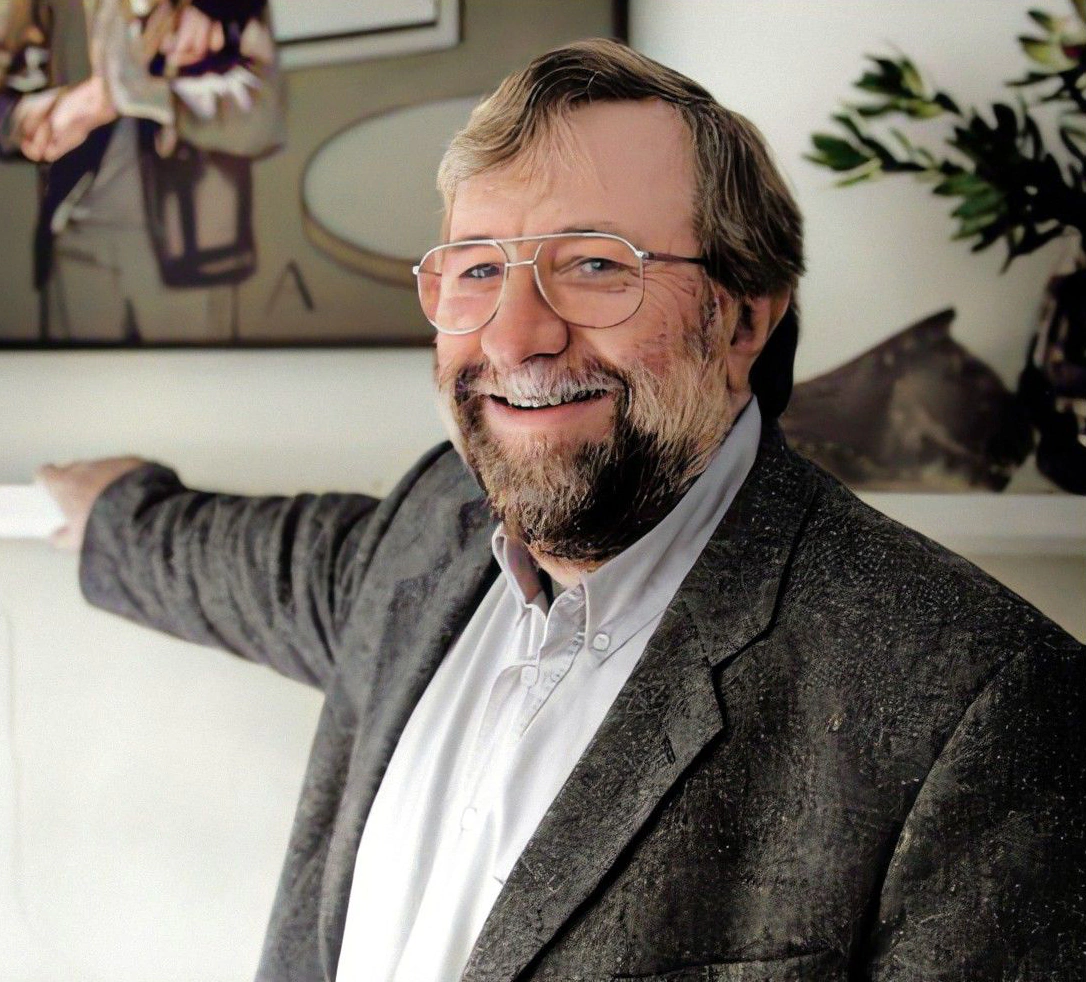
| 6 Quotes | |
| Occup. | Historian |
| From | New Zealand |
| Born | December 15, 1945 Wellington, New Zealand |
| Died | March 30, 2004 |
| Aged | 58 years |
| Cite | |
Citation Formats
APA Style (7th ed.)
Michael king biography, facts and quotes. (2026, February 11). FixQuotes. https://fixquotes.com/authors/michael-king/
Chicago Style
"Michael King biography, facts and quotes." FixQuotes. February 11, 2026. https://fixquotes.com/authors/michael-king/.
MLA Style (9th ed.)
"Michael King biography, facts and quotes." FixQuotes, 11 Feb. 2026, https://fixquotes.com/authors/michael-king/. Accessed 3 Apr. 2026.
Early life and education
Michael King (1945, 2004) became one of New Zealand's most widely read and discussed historians and writers, a Pakeha scholar who devoted his career to exploring the histories, identities, and voices that shaped Aotearoa New Zealand. He grew up in mid-20th-century New Zealand, educated in institutions that gave him both a grounding in the country's literary culture and an early curiosity about its contested past. As a university student he gravitated toward history and literature, developing research skills that would later underpin a prolific output. His intellectual horizons were broadened by exposure to leading New Zealand historians and critics of the postwar generation, and he formed friendships with writers and journalists who encouraged him to bridge scholarly work and public conversation.Journalism and the road to history
King first made his name as a journalist, a training ground that honed his plainspoken style and his feel for story. Reporting brought him into contact with community leaders, local archives, and the rhythms of public life. It also taught him to listen closely to people's accounts of themselves, a habit that would become central to his method as an oral historian. He gradually shifted from newsroom deadlines to book-length projects, retaining the journalist's instinct for clarity and accessibility. That combination of craft and curiosity helped him reach readers far beyond the academy and established him as a trusted interpreter of complicated topics.Engagement with Maori communities
From early in his career King sought meaningful engagement with Maori communities and leaders, believing that Pakeha writers had responsibilities to listen, record, and represent with care. His biography Te Puea introduced general readers to Te Puea Herangi's leadership and legacy, illuminating kinship, politics, and cultural renewal in the Waikato. He later collaborated closely with Maori informants and artists on works that treated language, ritual, and visual culture with respect. A landmark of this period was Moko, created with photographer Marti Friedlander, which documented the lives and Ta Moko of kuia and helped preserve knowledge that might otherwise have been lost. Across these projects he tried to center the voices of participants, acknowledging that the stories belonged first to the people who lived them.Moriori and the work of correction
One of King's most consequential books, Moriori: A People Rediscovered, addressed deep-rooted myths about the Moriori of Rekohu (Chatham Islands). Drawing on archival research and extensive conversations on the islands, he challenged erroneous popular beliefs, tracing how misrepresentations had been repeated in classrooms and newspapers for generations. The book's blend of scholarship and empathy shifted public understanding and was welcomed by many readers on Rekohu as a step toward recognition. It also exemplified King's broader project: to revisit received narratives and test them against evidence and lived experience.Biographer and public intellectual
King's biographical writing reached a wider audience still with Wrestling with the Angel, his life of the author Janet Frame. Granted unusual access by Frame and the circle around her, he wrote a careful, nuanced account that balanced the privacy of a revered writer with the public's wish to understand her art. The project demanded tact and stamina, and it placed King in conversation with editors, friends, and critics who had known Frame during formative years. Alongside such portraits, King explored national identity in Being Pakeha and later Being Pakeha Now, reflective books that considered what it meant to belong in a bicultural nation. These works made him a regular presence in debates about history, language, and reconciliation, and they connected him to activists, educators, and policy voices who were reshaping public life.The Penguin History of New Zealand and later years
In 2003 King published The Penguin History of New Zealand, a single-volume narrative that aimed to be both readable and authoritative. It distilled decades of reading, interviewing, and travel into a story that ordinary readers could grasp without sacrificing complexity. The book became a publishing phenomenon, widely discussed in homes, schools, and marae. Its success reflected the trust King had earned and the collaborative infrastructure behind him, from editors and researchers to the communities whose stories he had long tried to foreground.Family, friendships, and collaborators
Alongside colleagues in publishing and the academy, King's family remained central to his life. His children, Rachael King and Jonathan King, pursued creative careers of their own in writing and film, and he celebrated their achievements with the unguarded pride of a parent. Friends and collaborators such as Marti Friedlander, and the elders and guides who opened archives and welcomed him onto marae, formed an informal network that supported his work. Biographical subjects and their families, including those connected with Te Puea Herangi, Dame Whina Cooper, and Janet Frame, were more than sources; they were partners who shaped the questions he asked and the care with which he tried to answer them.Death and legacy
In 2004 King died in a car accident in New Zealand, a sudden loss that stunned the country's literary and historical communities. Tributes flowed from readers, iwi representatives, journalists, teachers, and fellow writers who credited him with changing how history could be written and read. His books remained in circulation, taught in classrooms and cited in public discussions, and his essays continued to inspire younger historians to combine rigor with humility. The lines of influence also ran through his family: Rachael King's novels and Jonathan King's films kept alive the example of creative commitment that their father embodied.Contribution and enduring influence
Michael King's career mapped a path from newsroom to archive to national conversation. He modeled a way of writing history that was collaborative, skeptical of easy stories, and generous to readers. By listening to elders, working with communities, and building portraits that included the voices of those most affected, he left a record not only of events but of relationships. His body of work stands as an invitation to approach the past with open eyes and attentive ears, and to understand New Zealand's story as something shared and still being made.Our collection contains 6 quotes written by Michael, under the main topics: Nature - Change - Peace - Marketing - Startup.
Source / external links