
Mike Ditka Biography Quotes 33 Report mistakes
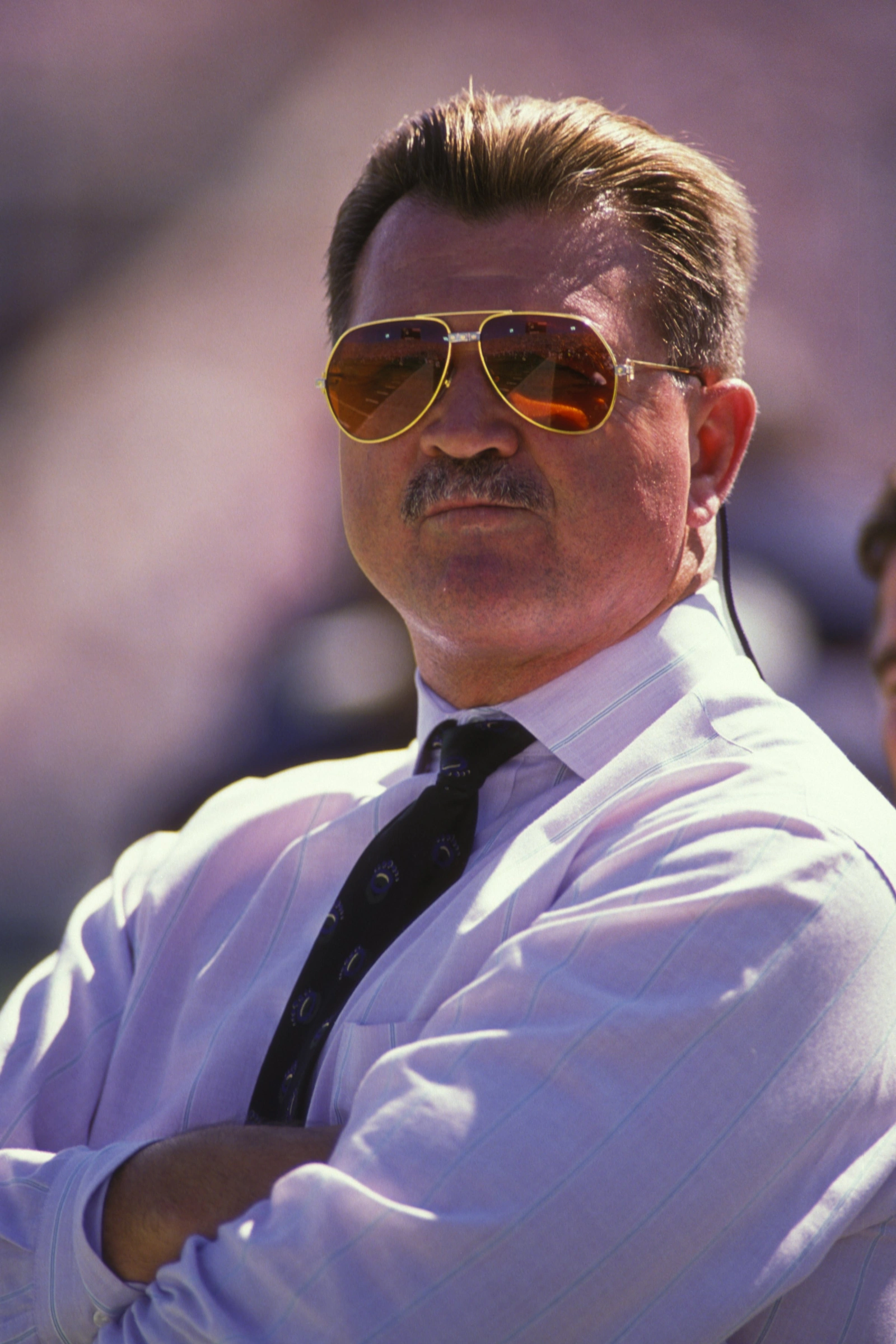
| 33 Quotes | |
| Occup. | Coach |
| From | USA |
| Born | October 18, 1939 |
| Age | 86 years |
| Cite | |
Citation Formats
APA Style (7th ed.)
Mike ditka biography, facts and quotes. (2026, February 11). FixQuotes. https://fixquotes.com/authors/mike-ditka/
Chicago Style
"Mike Ditka biography, facts and quotes." FixQuotes. February 11, 2026. https://fixquotes.com/authors/mike-ditka/.
MLA Style (9th ed.)
"Mike Ditka biography, facts and quotes." FixQuotes, 11 Feb. 2026, https://fixquotes.com/authors/mike-ditka/. Accessed 6 Mar. 2026.
Early Life and Background
Michael Keller Ditka was born on October 18, 1939, in Carnegie, Pennsylvania, and grew up in the steel-and-coal orbit of western Pennsylvania and nearby Aliquippa - a place where toughness was not a slogan but a local currency. The son of Croatian immigrant roots on his father's side, he came up in a working-class household where respect was earned by showing up, doing the job, and not looking for shortcuts. Those neighborhoods produced a particular kind of American athlete in the mid-20th century: physically fearless, proud, and often impatient with excuses.That early impatience became part of Ditka's inner weather. Friends and teammates later described a man built for confrontation - a competitor who treated everyday practice as a referendum on character. In an era when football still sold itself as a proving ground for manhood, Ditka absorbed the message that pain was temporary, but quitting was permanent. The result was a young man with a quick fuse and a long memory - traits that would power his rise and complicate his leadership.
Education and Formative Influences
Ditka attended Aliquippa High School, a talent-rich program that sharpened him in the public, weekly pressure of Friday-night football, then went to the University of Pittsburgh, where he starred as an end and earned All-America honors. Pittsburgh in the late 1950s and early 1960s was a regional powerhouse in a sport that was becoming nationally televised and increasingly tactical; Ditka learned not only to dominate physically but to prepare like a professional, internalizing the idea that a team is an argument for discipline, not sentiment.Career, Major Works, and Turning Points
Drafted in 1961 by the NFL's Chicago Bears, Ditka immediately changed expectations for the tight end position, pairing receiver hands with lineman brutality and earning NFL Rookie of the Year. After stints with the Bears, Philadelphia Eagles, and Dallas Cowboys, he won a Super Bowl ring as a player with Dallas (Super Bowl VI) and then transitioned into coaching, most notably as head coach of the Chicago Bears (1982-1992). His defining triumph was the 1985 season: a 15-1 juggernaut capped by a Super Bowl XX win, with Ditka as the hard-edged patriarch of a famously ferocious defense and a power-run offense. Later stops included the New Orleans Saints (1997-1999), where an aggressive, headline-grabbing attempt to secure a franchise quarterback in the 1999 draft became a cautionary turning point, reinforcing how Ditka's boldness could tip into stubborn overreach. Along the way he became a national media figure - analyst, pitchman, and icon - while being inducted into the Pro Football Hall of Fame in 1988.Philosophy, Style, and Themes
Ditka coached like he played: direct, physical, impatient with half-measures. His best teams reflected a moral logic - effort equals dignity - and he treated preparation as a form of honesty. Underneath the bluster was a man who believed momentum was spiritual as much as strategic, and who gradually acknowledged that temperament can become its own opponent. “What you feel spiritually. I think a lot of that has to do with it. If you have no spiritual life, chances are everything is going to aggravate you, you're going to fly off the handle at everything and that's what I did in the past. I've kind of got that under control now”. That admission reframes the caricature: the shouting was not just theater, but a struggle to master himself as well as the room.His rhetoric, like his football, was built on absolutes - quitting, discipline, price. “You're never a loser until you quit trying”. In Ditka's world, identity is forged by continuing when the body and ego beg for relief; that belief made him inspirational to players who craved clarity, and exhausting to those who needed nuance. Later in life he articulated a more interior metric for winning, the kind that arrives when a driven person recognizes how quickly applause fades: “Success isn't measured by money or power or social rank. Success is measured by your discipline and inner peace”. Read together, these lines map an evolution - from external conquest to internal governance - without erasing the original engine that made him famous.
Legacy and Influence
Ditka endures as a hinge figure: a Hall of Fame player who helped define the modern tight end, and a championship coach who embodied 1980s NFL authority - volcanic, paternal, and relentlessly demanding. The 1985 Bears remain a cultural monument, and Ditka's public persona helped turn coaches into celebrities without reducing football to pure entertainment. His influence lives in the position he revolutionized, the leadership style he popularized, and the ongoing debate he represents - whether greatness is best built by pressure and fear, or by persuasion and emotional intelligence - a debate sharpened by the fact that Ditka, over time, came to see that discipline is not only what you demand from others, but what you cultivate within yourself.Our collection contains 33 quotes written by Mike, under the main topics: Witty One-Liners - Motivational - Never Give Up - Life - Health.
Other people related to Mike: Ricky Williams (Athlete), Jim McMahon (Athlete)
Source / external links