
Mitchell Baker Biography Quotes 16 Report mistakes
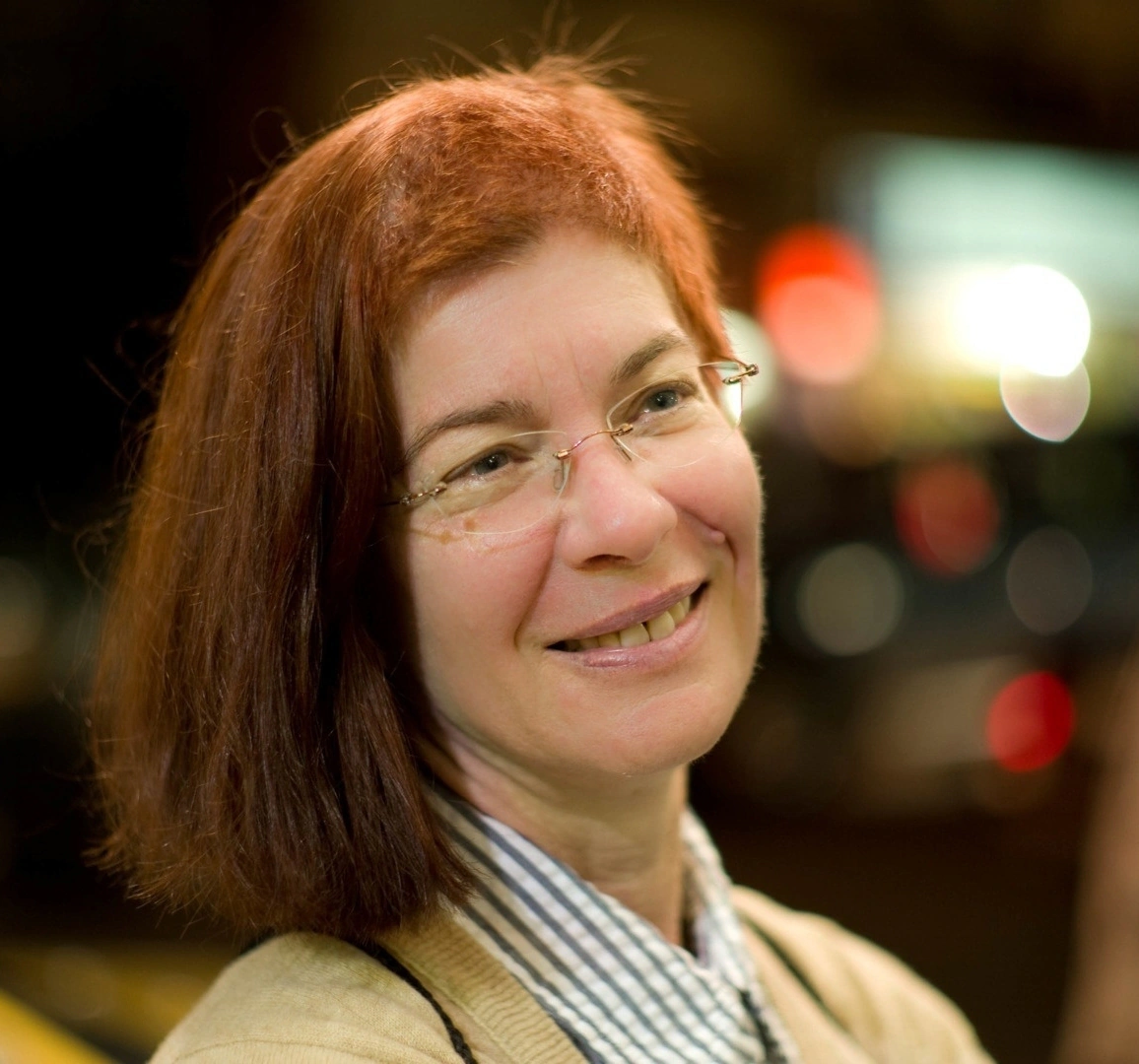
| 16 Quotes | |
| Born as | Winifred Mitchell Baker |
| Occup. | Lawyer |
| From | USA |
| Born | 1957 Oakland, California, U.S.A. |
| Cite | |
Citation Formats
APA Style (7th ed.)
Mitchell baker biography, facts and quotes. (2026, February 11). FixQuotes. https://fixquotes.com/authors/mitchell-baker/
Chicago Style
"Mitchell Baker biography, facts and quotes." FixQuotes. February 11, 2026. https://fixquotes.com/authors/mitchell-baker/.
MLA Style (9th ed.)
"Mitchell Baker biography, facts and quotes." FixQuotes, 11 Feb. 2026, https://fixquotes.com/authors/mitchell-baker/. Accessed 13 Feb. 2026.
Early Life and Background
Mitchell Baker was born Winifred Mitchell Baker in the United States around 1957, coming of age as computing shifted from institutional mainframes to personal machines and networked culture. That timing mattered: she entered adulthood when the legal system was beginning to grapple with software as both product and speech, and when the first modern battles over digital openness, privacy, and corporate control were taking shape.Although she has kept much of her family life private, her public biography consistently reads as that of a pragmatic idealist shaped by institutions: she understood early that values in technology do not survive on rhetoric alone. They need governance, contracts, and enforceable norms. That instinct would later make her unusual among tech leaders - a lawyer who could speak to engineers without romanticizing them, and who could speak to companies without surrendering the public interest.
Education and Formative Influences
Baker studied at the University of California, Berkeley (BA) and earned her JD from Stanford Law School, training at two campuses closely tied to the rise of Silicon Valley and the ethos of experimentation that accompanied it. In the late 1970s and early 1980s, debates about intellectual property, antitrust, and the social responsibilities of corporations were intensifying; the software industry was consolidating, and the legal profession was being asked to translate fast-moving technical realities into durable rules. Those years helped form Baker's later method: build structures that let innovation happen while preserving accountability to users.Career, Major Works, and Turning Points
Baker practiced law in California, including work with Fenwick and West, and became involved with Netscape Communications as the company navigated browser competition and, eventually, a dramatic pivot toward open source. In 1998, Netscape released the code that became the Mozilla project, and Baker emerged as one of the key figures translating a messy corporate-to-community transition into something legally and organizationally legible. She helped design and steward the Mozilla Public License (MPL), a compromise between strict copyleft and permissive licensing that aimed to make collaboration viable for volunteers and businesses alike. As Mozilla evolved from a code drop into an institution, Baker served in leadership roles including chair of the Mozilla Foundation, CEO of Mozilla Corporation, and later executive chair, guiding the release and growth of Firefox (first released in 2004) and negotiating partnerships that funded development while keeping Mozilla mission-driven.Philosophy, Style, and Themes
Baker's inner life, as revealed in interviews and decisions, centers on a tension she never tries to dissolve: the need for idealistic commitments and the need for operational discipline. She is not a utopian about how people collaborate at scale; she assumes incentives, misunderstandings, and power will always be present, and she builds processes to channel them. Her lawyerly temperament shows in her preference for frameworks over charisma, and for constitutions over cults of personality. When she explains why Mozilla built formal entities around a volunteer-led project, she frames organization as a trust mechanism, not a hierarchy: "The organization is a way for people to find us and deal with us and know how we operate". The psychological subtext is clear - legitimacy is earned by being predictable, and predictability is a form of respect for the public.She also rejects the myth that openness equals disorder. Instead, she presents open source as a demanding form of civic life, sustained by coordination and care. "Many people think that open source projects are sort of chaotic and and anarchistic. They think that developers randomly throw code at the code base and see what sticks". Her rebuttal is not defensive but diagnostic: people underestimate the invisible labor - review, testing, triage, release engineering - that makes freedom usable. That is why she stresses that "We have a very active testing community which people don't often think about when you have open source". Together these remarks sketch her core theme: a free and open internet is not maintained by purity, but by institutions sturdy enough to hold dissent, contributions, and deadlines without collapsing.
Legacy and Influence
Baker's enduring influence lies in proving that a public-benefit mission can survive inside the commercial web without becoming mere branding. By shaping licensing, governance, and funding models that allowed a non-profit foundation and a for-profit subsidiary to coexist, she helped keep a major browser competitor alive in an era of near-monopoly pressures and accelerating surveillance-based advertising. Her legacy is visible not only in Firefox's impact on standards and user choice, but in the broader template Mozilla offered: open source as a constitutional project, where law, community, and product discipline combine to defend user agency in the architecture of the internet.Our collection contains 16 quotes written by Mitchell, under the main topics: Kindness - Forgiveness - Change - Work - Customer Service.
Source / external links