
Myles Munroe Biography Quotes 8 Report mistakes
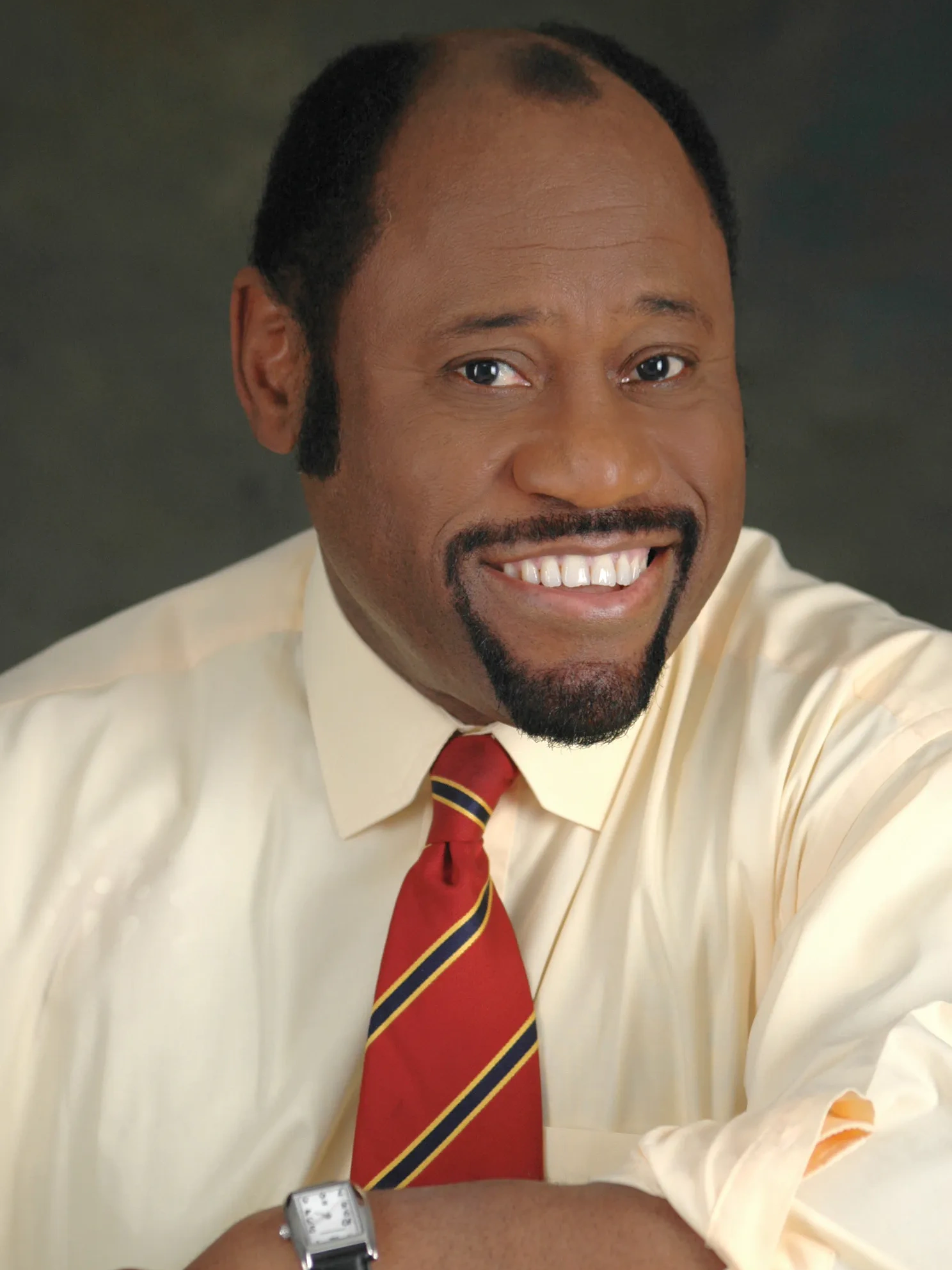
Attr: Hachette Book Group
| 8 Quotes | |
| Born as | Myles Egbert Munroe |
| Known as | Dr. Myles Munroe |
| Occup. | Author |
| From | Bahamas |
| Spouse | Ruth Munroe |
| Born | April 20, 1954 Nassau, Bahamas |
| Died | November 9, 2014 Near Grand Bahama Island, Bahamas |
| Cause | Plane crash |
| Aged | 60 years |
| Cite | |
Citation Formats
APA Style (7th ed.)
Myles munroe biography, facts and quotes. (2026, February 16). FixQuotes. https://fixquotes.com/authors/myles-munroe/
Chicago Style
"Myles Munroe biography, facts and quotes." FixQuotes. February 16, 2026. https://fixquotes.com/authors/myles-munroe/.
MLA Style (9th ed.)
"Myles Munroe biography, facts and quotes." FixQuotes, 16 Feb. 2026, https://fixquotes.com/authors/myles-munroe/. Accessed 30 Mar. 2026.
Early Life and Background
Myles Egbert Munroe was born on April 20, 1954, in Nassau, New Providence, in the Commonwealth of The Bahamas, a Black Atlantic society still living with the aftershocks of colonial rule and the tightening momentum toward majority rule and full independence (achieved in 1973). He grew up in a large family in a densely communal island environment where church life, neighborhood obligation, and the practical limits of a small economy sat side by side. That contrast - spiritual intensity amid material constraint - became an early engine of his later message: people were more than their wages, and nations were more than their histories.Those who knew his early story described an ambitious, unusually verbal boy with an instinct to organize, persuade, and interpret. The Bahamas of his youth was modernizing quickly, with tourism, aviation, and offshore finance reshaping Nassau. Yet many Bahamians felt socially "seen" only through service roles built for visitors. Munroe internalized the tension between dignity and dependency, then sought to answer it in the language available to him: Bible teaching, motivational rhetoric, and the idea that destiny could be trained like a skill.
Education and Formative Influences
Munroe pursued theological study in the United States, earning degrees that included work at Oral Roberts University and later advanced study at the University of Tulsa. He absorbed the 1970s-1980s era of charismatic renewal, American televangelism, and emerging leadership psychology, but he filtered those influences through a distinctly Caribbean concern for national development, family stability, and postcolonial confidence. The result was a preacher who sounded global yet kept returning to local stakes: fatherhood, entrepreneurship, civic responsibility, and the moral architecture needed for a small nation to flourish.Career, Major Works, and Turning Points
In Nassau he founded Bahamas Faith Ministries International and became its senior pastor and public face, building a teaching ministry that extended far beyond the islands through books, broadcasts, conferences, and leadership seminars. His most widely circulated works included The Spirit of Leadership, Understanding the Purpose and Power of Woman, Understanding the Purpose and Power of Men, Kingdom Principles, and Rediscovering the Kingdom. He advised political and business leaders, spoke widely across the Caribbean, North America, and Africa, and positioned "kingdom" language as a framework for identity, governance, and personal discipline rather than a narrow church slogan. Munroe died on November 9, 2014, in a plane crash near Grand Bahama, along with his wife Ruth and others traveling to a leadership conference - an ending that intensified the poignancy of his lifelong insistence on urgency and stewardship.Philosophy, Style, and Themes
Munroe preached purpose as both theology and psychology. His signature move was to treat the human person as designed - an instrument with intended use - and then to argue that confusion about design produces personal and social damage. “When purpose is not known, abuse is inevitable”. In his mouth, "abuse" ranged from addiction and sexual exploitation to the quieter self-abuse of wasted ability, chronic dependency, and fear-driven conformity. He spoke to listeners who had inherited external definitions - race, class, job title, colonial memory - and he tried to replace them with a vocational identity anchored in calling.His style blended charismatic cadence with managerial clarity: definitions, bullet-like contrasts, and memorable aphorisms that could survive outside the sermon. He repeatedly separated employment from vocation: “Your job is what they pay you to do. Your work is what you were born to do. Never confuse your job with your work”. The line reveals his inner preoccupation - an anxiety about squandered life - and also his optimism that a person could be trained into alignment. Underneath the confidence was a moral pressure: to delay was to betray one's design. That pressure hardened into eschatological urgency in another of his refrains, “The greatest tragedy in life is not death, but life without purpose”. For Munroe, purpose was not self-invention but discovery, and discovery required discipline: character before platform, family before fame, competence before entitlement.
Legacy and Influence
Munroe left a durable imprint on global charismatic Christianity and on Caribbean public culture by popularizing "kingdom" teaching as an all-of-life framework - leadership, economics, education, masculinity and femininity, and nation-building. Admirers credit him with giving language to aspiration without shame, especially for Black and island audiences told to be grateful for limited roles; critics sometimes worried that motivational certainty could flatten complexity. Yet his influence persists in pastors, coaches, and entrepreneurs who echo his core claim that spirituality is not escape but assignment. His death, sudden and public, turned his message into a test of its own premise: that time is short, responsibility is real, and a life is finally measured by what it releases into others.Our collection contains 8 quotes written by Myles, under the main topics: Motivational - Leadership - Meaning of Life - Career.
Source / external links