
Naomi Osaka Biography Quotes 9 Report mistakes
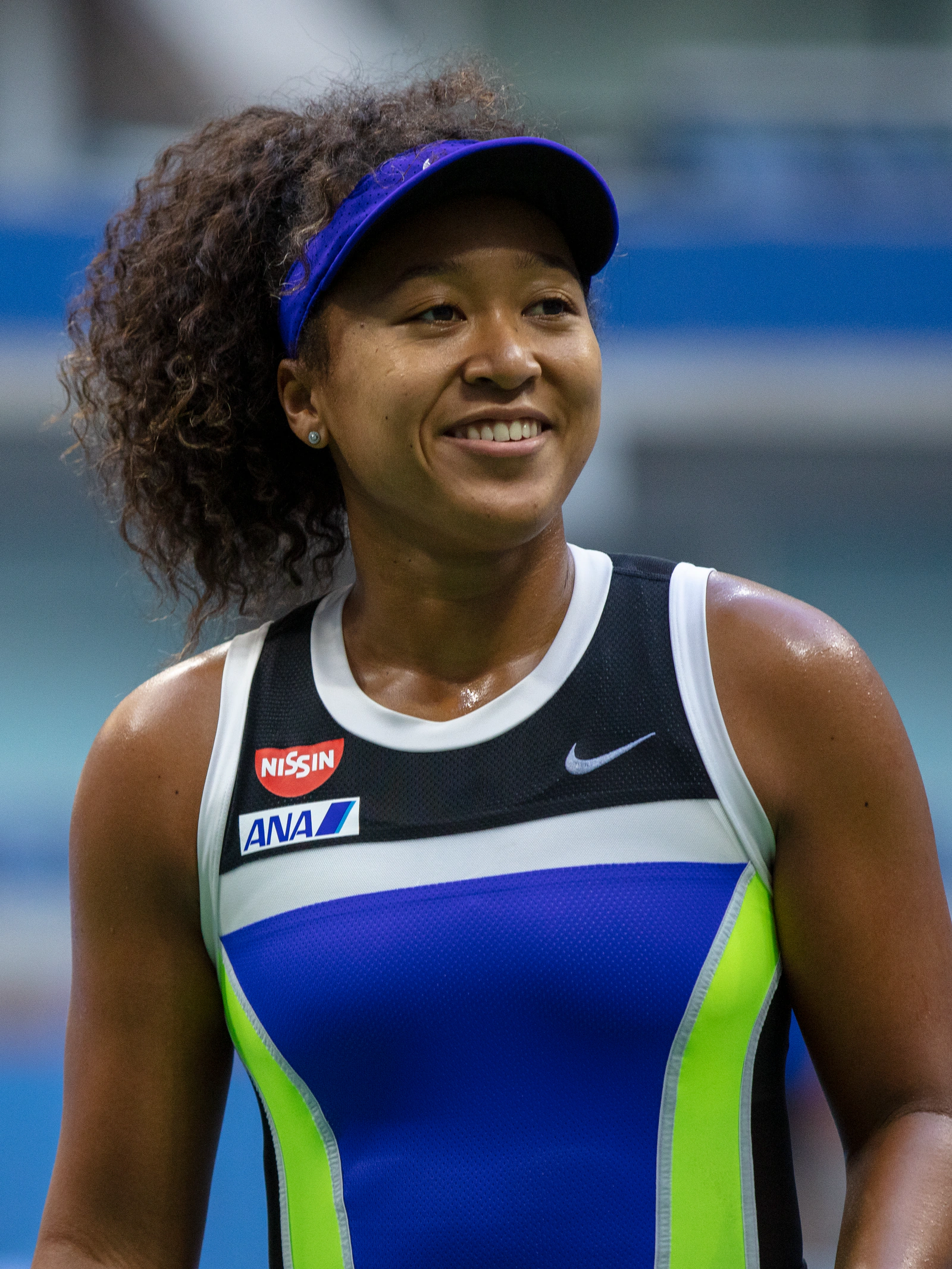
| 9 Quotes | |
| Native name | 大坂なおみ |
| Occup. | Athlete |
| From | Japan |
| Born | October 16, 1997 Osaka, Osaka Prefecture, Japan |
| Age | 28 years |
| Cite | |
Citation Formats
APA Style (7th ed.)
Naomi osaka biography, facts and quotes. (2026, February 11). FixQuotes. https://fixquotes.com/authors/naomi-osaka/
Chicago Style
"Naomi Osaka biography, facts and quotes." FixQuotes. February 11, 2026. https://fixquotes.com/authors/naomi-osaka/.
MLA Style (9th ed.)
"Naomi Osaka biography, facts and quotes." FixQuotes, 11 Feb. 2026, https://fixquotes.com/authors/naomi-osaka/. Accessed 22 Mar. 2026.
Early Life and Background
Naomi Osaka was born on October 16, 1997, in Osaka, Japan, to Tamaki Osaka and Leonard Francois. Her father, a Haitian-born Japanese resident who later moved the family abroad, and her mother, Japanese, raised Naomi and her older sister, Mari, in a household shaped by cross-cultural identity and the practical pressures of being visibly different in a largely homogeneous society. From early childhood, Osaka learned to live with scrutiny - not only as a young athlete, but as a biracial Japanese girl negotiating belonging, language, and public expectations.When she was three, the family relocated to the United States, first to New York and then to Florida, where year-round training and a dense junior-tennis ecosystem made elite development possible. The move was also a wager: that talent, discipline, and a tightly managed family plan could substitute for institutional privilege. Osaka grew up quiet, observant, and competitive, with a tempering shyness that coexisted with a blunt internal drive to win points cleanly and end rallies quickly.
Education and Formative Influences
Osaka was largely trained outside traditional school-centered athletic pipelines, with her father modeling her development on the Williams sisters blueprint - early intensity, selective tournament scheduling, and a focus on serve plus first-strike patterns. She did not follow the NCAA route, turning professional as a teenager and learning her trade in the lower tiers of the sport, where travel is lonely, money is scarce, and confidence must be self-generated. Those years forged her psychological signature: a player who could look hesitant off court yet become ruthless in the geometry of competition.Career, Major Works, and Turning Points
Osaka announced herself to mainstream tennis in 2016 by beating a top-ranked opponent, then surged into the game's center with a US Open title in 2018, defeating Serena Williams in a final defined by high tension and global attention. She validated the breakthrough with the Australian Open in 2019, then won the US Open again in 2020 and the Australian Open in 2021, establishing herself as the era's premier hard-court competitor: heavy serve, compact takebacks, and early ball-striking under pressure. A major turning point came in 2021 when she withdrew from the French Open after refusing required press conferences and disclosed mental health struggles, later taking breaks from competition, returning selectively, and eventually becoming a mother in 2023 - shifts that reframed her career from uninterrupted ascent to a more human, self-protective arc.Philosophy, Style, and Themes
Osaka's inner life has been as consequential as her forehand. Her public persona - soft-spoken, sometimes halting - often masks a firm moral spine and an insistence on self-definition. She rejects the old sporting bargain in which performance purchases silence, saying, “I'm not going to be silent just because people expect me to”. That refusal is not mere contrarianism; it reflects a psychology shaped by early otherness and the modern attention economy, where athletes are treated as content machines. Her activism and statements, especially around racial justice, are rooted in a simple thesis of responsibility rather than spectacle: “I feel like if you have a platform, you should use it”.On court, her style mirrors that worldview: direct, unsentimental, and optimized for clarity. The serve sets the terms, the return attacks the second serve, and rallies are shortened by decisive acceleration - a game built to reduce ambiguity and impose choice. Off court, her most consistent theme is boundary-setting in a sport that sells access as tradition. The mental health disclosures were not a retreat from ambition so much as an attempt to renegotiate how ambition is lived, captured in her plainspoken self-care logic: “Sometimes you just have to take a step back and take care of yourself”. In Osaka, fragility and ferocity are not opposites; they are alternating states in the same high-pressure system.
Legacy and Influence
Osaka's legacy is already dual: a four-time Grand Slam champion who helped define hard-court tennis in the late 2010s and early 2020s, and a cultural figure who expanded what elite athletes are permitted to say about identity, anxiety, and consent. She has influenced a younger cohort to treat mental health as part of training, not a confession, and to view fame as a tool that can be used, refused, or redirected. In an era when sport is inseparable from media and politics, Osaka has made autonomy - the right to compete, speak, and withdraw on her own terms - part of the modern athlete's definition.Our collection contains 9 quotes written by Naomi, under the main topics: Freedom - Sports - Mental Health - Anxiety - Human Rights.
Source / external links
- The New Number One: Naomi Osaka Is Playing to Win: Vogue profile (2019)
- Naomi Osaka: Netflix (documentary limited series page)
- Hana Kuma: creative platform conceived by Naomi Osaka
- Naomi Osaka: Facebook page
- X (Twitter): @naomiosaka
- Naomi Osaka: Yonex (athlete profile)
- Naomi Osaka: WTA (official player profile)
- Naomi Osaka: Wikipedia