
Nathaniel Parker Willis Biography Quotes 7 Report mistakes
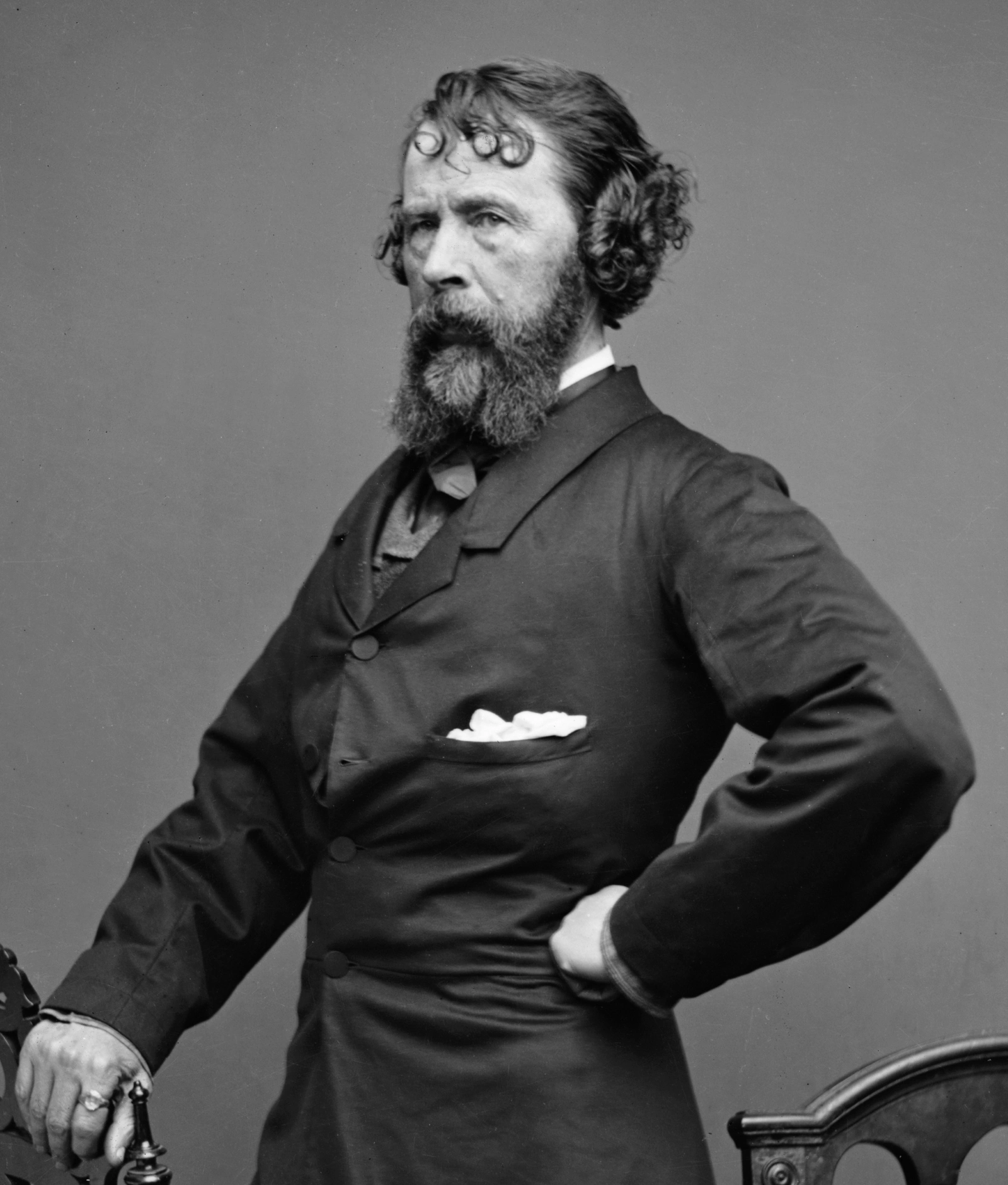
| 7 Quotes | |
| Occup. | Author |
| From | USA |
| Born | January 20, 1806 Portland, Maine, USA |
| Died | January 20, 1867 Boston, Massachusetts |
| Aged | 61 years |
| Cite | |
Citation Formats
APA Style (7th ed.)
Nathaniel parker willis biography, facts and quotes. (2026, February 11). FixQuotes. https://fixquotes.com/authors/nathaniel-parker-willis/
Chicago Style
"Nathaniel Parker Willis biography, facts and quotes." FixQuotes. February 11, 2026. https://fixquotes.com/authors/nathaniel-parker-willis/.
MLA Style (9th ed.)
"Nathaniel Parker Willis biography, facts and quotes." FixQuotes, 11 Feb. 2026, https://fixquotes.com/authors/nathaniel-parker-willis/. Accessed 1 Apr. 2026.
Early Life and Background
Nathaniel Parker Willis was born January 20, 1806, in Portland, Maine, into a household where piety, print, and ambition were daily presences. His father, Nathaniel Willis, was a newspaper editor who later worked in Boston, and his mother, Hannah Parker Willis, brought the moral intensity of New England Calvinism to domestic life. The family moved often, but the axis remained the pressroom and parlor - a training ground for a boy who would make his living by turning observation into prose.Early Willis learned that reputation was both currency and cage in the early republic. He watched the rise of a commercial reading public and the spread of newspapers and magazines that could make a name overnight and ruin it just as quickly. This mingling of intimacy and exposure shaped his later persona: sociable, theatrical, sometimes defensive, and always alert to the moral theater of "society" as a stage on which Americans rehearsed their aspirations.
Education and Formative Influences
Willis entered Yale College and graduated in 1827, coming of age as American letters were professionalizing and as genteel taste fought for authority against the rougher energies of Jacksonian politics. At Yale he wrote for student publications, absorbed the era's Romantic poetry, and cultivated the polished conversational manner that would become his trademark on the page. In 1828 he founded the American Monthly Magazine in Boston, an early sign that he saw literature not only as art but as a public enterprise - a way to edit, market, and curate a national sensibility.Career, Major Works, and Turning Points
Willis made his name as a magazine writer, poet, and editor who treated the everyday as literature and the literary as a form of social reporting. He wrote popular poems such as "Unseen Spirits" and "Fling Out the Banner", but his larger influence came through prose: travel writing, sketches, and salon-like columns that brought European and American high life to middle-class readers. He served as an editor at periodicals including the New-York Mirror and later became a central figure at the Home Journal, co-edited with George Pope Morris, where his airy, intimate voice helped define a model of genteel journalism. Extended trips abroad in the 1830s produced successful travel books and sharpened his eye for class performance; later, a serious illness and increasing domestic responsibility pushed him toward more reflective, moralized writing, without fully abandoning the sparkle that paid his bills.Philosophy, Style, and Themes
Willis's style fused Romantic lyricism with the quicksilver reportorial sketch: a sentence could pivot from sentimental reverie to an acid social aside, as if the writer were both guest and critic at the same party. He specialized in the small telling detail - a gesture, a dress, a turn of phrase - to show how Americans borrowed European manners while improvising their own. That attention to status could sound light, even gossipy, yet it carried a serious claim about modern life: identity was increasingly social, mobile, and performed, and the writer's job was to read the performance. When he observed, “At present there is no distinction among the upper ten thousand of the city”. , he was not merely sneering; he was diagnosing a new urban sameness in which wealth tried to replace lineage, and taste became a competitive sport.Beneath the polish ran a moral psychology shaped by Protestant conscience and the sentimental ethic of sympathy. Willis repeatedly returned to innocence under pressure - the soul's susceptibility to the world and the world's appetite for the unguarded. “The innocence that feels no risk and is taught no caution, is more vulnerable than guilt, and oftener assailed”. That sentence reads like self-portrait as well as admonition: a man who lived by exposure - by being seen, read, and talked about - understood how quickly charm can become liability. Yet he also insisted that affection was a form of spiritual defense in a competitive age: “If there is anything that keeps the mind open to angel visits, and repels the ministry of ill, it is human love”. The conviction helps explain the tenderness that surfaces amid his social satire: he needed love, not just applause, to keep the performance humane.
Legacy and Influence
Willis died January 20, 1867, leaving behind a body of work that modern readers may approach through its period charm but should recognize for its structural importance. He helped invent the American magazine columnist as a literary figure - a professional observer whose authority came from voice, access, and style rather than from epic subjects. His blend of travel narrative, urban sketch, and society commentary fed later journalism and the development of personal-essay prose, while his sentimental moralism captured a culture trying to reconcile commerce with conscience. In an era when authorship was becoming a job, Willis made it a persona - and showed, for better and worse, how a writer could turn social life into literature without ceasing to worry about the soul underneath the mask.Our collection contains 7 quotes written by Nathaniel, under the main topics: Motivational - Wisdom - Love - Knowledge - Equality.
Other people related to Nathaniel: Harriet Ann Jacobs (Writer)
Nathaniel Parker Willis Famous Works
- 1855 Outdoors at Idlewild (Series of essays)
- 1853 A Health Trip to the Tropics (Travelogue)
- 1840 Loiterings of Travel (Travelogue)
- 1839 Tortesa, the Usurer (Play)
- 1836 Two Ways of Dying for a Husband (Story)
- 1836 Inklings of Adventure (Collection of short stories)
- 1835 Pencillings by the Way (Travelogue)
- 1833 Scripture Sketches (Series of articles)
- 1833 The Romance of Travel (Travelogue)
Source / external links