
Ngo Dinh Diem Biography Quotes 1 Report mistakes
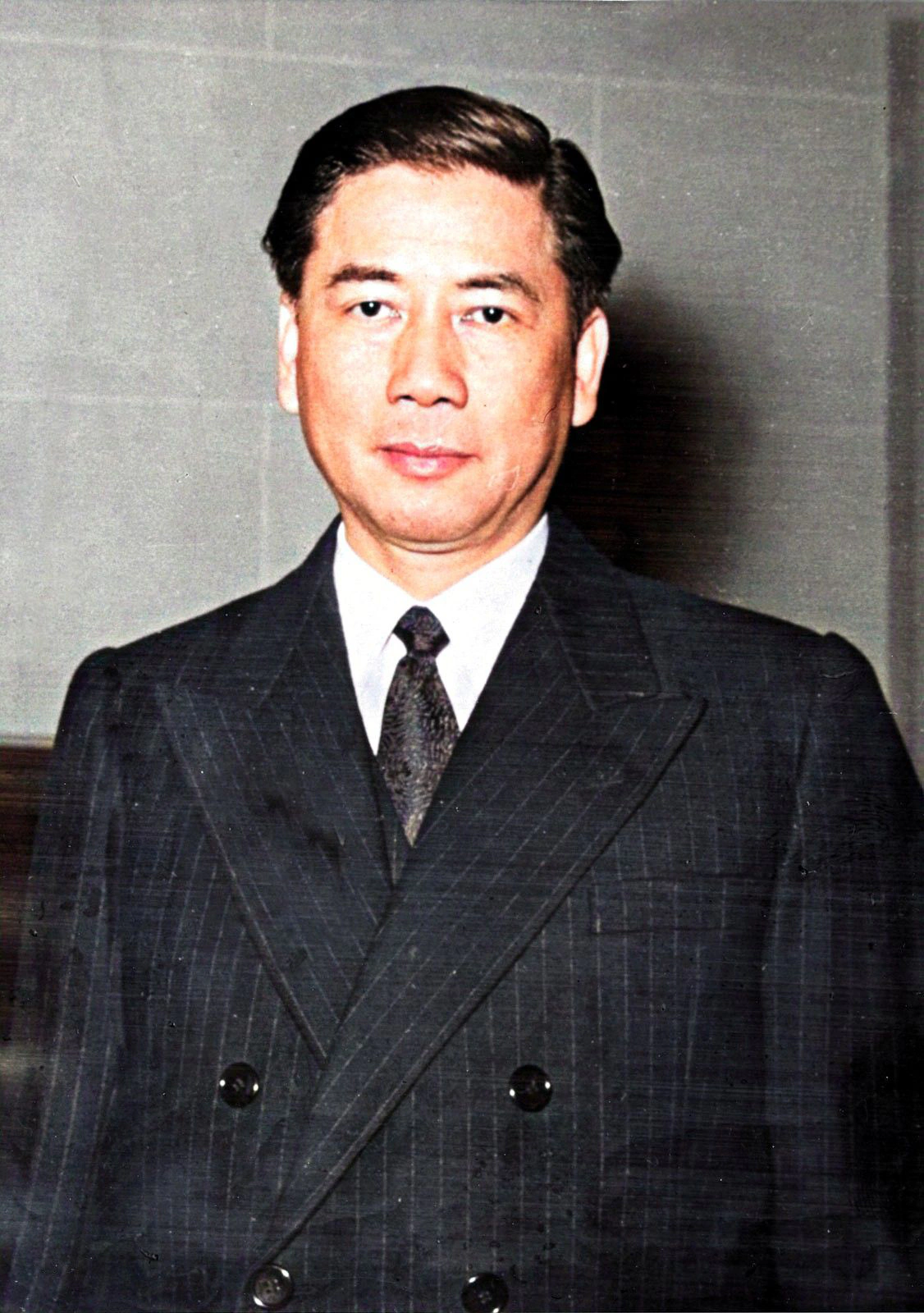
| 1 Quotes | |
| Born as | Ngô Đình Diệm |
| Occup. | Statesman |
| From | Vietnam |
| Born | January 3, 1901 Huế, French Indochina |
| Died | November 2, 1963 Saigon, South Vietnam |
| Aged | 62 years |
| Cite | |
Citation Formats
APA Style (7th ed.)
Ngo dinh diem biography, facts and quotes. (2026, February 11). FixQuotes. https://fixquotes.com/authors/ngo-dinh-diem/
Chicago Style
"Ngo Dinh Diem biography, facts and quotes." FixQuotes. February 11, 2026. https://fixquotes.com/authors/ngo-dinh-diem/.
MLA Style (9th ed.)
"Ngo Dinh Diem biography, facts and quotes." FixQuotes, 11 Feb. 2026, https://fixquotes.com/authors/ngo-dinh-diem/. Accessed 12 Feb. 2026.
Early Life and Background
Ngo Dinh Diem was born on January 3, 1901, in Quang Binh province in French Indochina, into a prominent Vietnamese Catholic family whose identity was shaped by both court tradition and minority faith. His father, Ngo Dinh Kha, served the Nguyen court and had been educated in the imperial system, and the household raised its children in a disciplined blend of Confucian hierarchy and Catholic devotion. That fusion mattered: Diem grew up seeing Vietnamese sovereignty as a moral order to be guarded, and colonial rule as a corrosive substitute that encouraged faction, patronage, and dependency.The era that formed him was one of collapsing certainties. The Nguyen monarchy survived as a hollowed symbol under French tutelage, while Vietnamese nationalism splintered between royalists, reformists, communists, and religious movements. Diem watched the revolutionary decade of the 1920s and 1930s harden politics into a contest of clandestine parties and coercion. He came to distrust mass movements that promised liberation but demanded ideological submission, and he developed an early conviction that legitimacy must be restored through a state that was Vietnamese, orderly, and morally purposeful.
Education and Formative Influences
Diem was trained in the classical and administrative milieus of central Vietnam and entered public service in the colonial bureaucracy, rising quickly for a young mandarin. His early appointments in the 1920s included provincial administration, where he learned the mechanics of taxation, security, and rural hierarchy - and where he also saw how French oversight narrowed Vietnamese authority into enforcement rather than leadership. The decisive influence was not one book but a cast of pressures: Catholic social teaching, the Nguyen court ethos, and his experience of colonial limits, which together pushed him toward an austere personal style and a politics of state-building rather than party mobilization.Career, Major Works, and Turning Points
Diem became known nationally after serving as Minister of the Interior under Emperor Bao Dai in 1933, resigning within months when French officials refused meaningful reforms - an early public signal of his refusal to govern as a figurehead. During the Second World War and its aftermath he opposed both French restoration and communist consolidation, enduring periods of surveillance and danger; by the early 1950s he was abroad, cultivating anti-communist and Catholic networks in the United States while maintaining an image of unpurchased nationalism. The turning point came in 1954 when Bao Dai appointed him Prime Minister of the State of Vietnam amid the Geneva partition. Diem outmaneuvered rival sect forces (including the Binh Xuyen) and consolidated power, then in 1955 deposed Bao Dai by referendum and founded the Republic of Vietnam, becoming its first president. His rule (1955-1963) pursued centralization, counterinsurgency, and social reengineering through the Can Lao network and the Strategic Hamlet Program, while alienating opponents through censorship, imprisonment, and the crushing of dissident religious and political currents; the Buddhist crisis of 1963, international scrutiny, and fraying military loyalty culminated in the coup of November 1, after which Diem and his brother Ngo Dinh Nhu were killed on November 2, 1963.Philosophy, Style, and Themes
Diem believed Vietnam could not survive as a mere battlefield between ideologies; it had to become a morally grounded nation-state with a disciplined administrative spine. He called his approach "Personalism", adapted through his circle as an alternative to both Marxism and liberal pluralism, stressing duty, hierarchy, and spiritual purpose over procedural politics. In practice this produced a governing style that was intensely didactic: policies were framed as civic renovation, while dissent was treated as moral deviation or subversion. His psychology leaned toward solitude and control - a bachelor-president who mistrusted charisma, relied heavily on family, and valued loyalty as a form of national ethics.That temperament helps explain why he could inspire fierce devotion and equally fierce resentment. The rhetoric of uncompromising advance, captured in "Follow me if I advance! Kill me if I retreat! Revenge me if I die!" sounds like a battlefield oath, but in Diem it reads as a theory of leadership: legitimacy proved by steadfastness, and defeat redeemed only through sacrifice. It also reveals the trap of his statecraft - a preference for tests of will over negotiated pluralism. As insurgency spread and allies pressed for reforms, he often doubled down, treating concession as retreat; the result was a narrowing circle of trust that intensified repression, deepened the religious legitimacy crisis, and left his government brittle at the moment it needed adaptive coalition-building.
Legacy and Influence
Diem remains one of modern Vietnam's most contested figures: to some, a nationalist who resisted colonial manipulation and tried to erect a non-communist Vietnamese state; to others, an authoritarian whose family regime and coercive security methods accelerated instability. His fall reshaped the Vietnam War by removing a centralizing ruler and opening a succession of juntas, while also hardening American debates about nation-building, client states, and the costs of backing anti-communist strongmen. Historians still return to Diem because his life concentrates the dilemmas of postcolonial leadership - sovereignty without consensus, modernization under fire, and the fatal friction between moral certainty and political flexibility.Our collection contains 1 quotes written by Ngo, under the main topics: War.
Other people related to Ngo: Nguyen Van Thieu (Statesman), Nguyen Cao Ky (Politician), Henry Cabot Lodge, Jr. (Politician), Maxwell D. Taylor (Soldier)
Frequently Asked Questions
- Ngo Dinh Diem brother: Ngo Dinh Nhu (key adviser); also Ngo Dinh Thuc, Ngo Dinh Can, and Ngo Dinh Luyen.
- What happened to Ngo Dinh Diem: He was deposed and assassinated in Saigon during the Nov 2, 1963 coup.
- Tiểu SỬ NGÔ ĐÌNH DIỆM: Ngô Đình Diệm (1901–1963) là Tổng thống Việt Nam Cộng hòa (1955–1963); quê Quảng Bình, theo Công giáo; bị lật đổ và ám sát trong đảo chính 1963.
- Was Ngo Dinh Diem a good leader: Contested: early stabilization and anti-communism, but authoritarianism and repression alienated many.
- Ngo Dinh Diem Religion: Roman Catholic
- Ngo Dinh Diem pronunciation: ngoh din zee-EM
- Ngo Dinh Diem wife: He never married; his sister-in-law Madame Nhu acted as de facto First Lady.
- Why was Ngo Dinh Diem assassinated: He was overthrown and killed in a 1963 military coup amid backlash to his authoritarian rule and the Buddhist crisis, with tacit U.S. support.
- How old was Ngo Dinh Diem? He became 62 years old
Source / external links